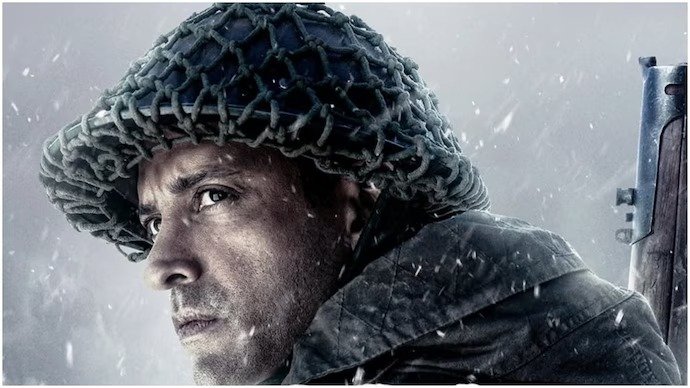
Some events don’t just take place. They leave a mark. The first-ever screening of 120 Bahadur at the Rezang La War Memorial is one of those moments that felt bigger than a film premiere. It felt like history bowing its head to history.
If you know anything about Rezang La, you already understand the weight of this place. Perched high in the cold desert of Ladakh, this memorial honors the jawans of the 13 Kumaon Regiment who defended the nation in the 1962 Indo-China war. Most of them fought till their last breath. Their courage wasn’t just remarkable; it was almost unbelievable. So when a film built on the same spirit of bravery gets screened right there, it becomes more than entertainment. It becomes a conversation between generations.
Let’s break it down. 120 Bahadur is a story rooted in sacrifice, discipline and the kind of patriotism that doesn’t need loud slogans. It reflects the life of soldiers who choose duty above everything else. Watching that story roll out on a screen placed in front of a memorial that holds the memories of real warriors created a rare connection. It was as if the past and present were sharing the same frame.
People who attended the screening described the silence as different. Not the awkward kind, but the kind that comes when everyone knows they’re in the presence of something meaningful. The cold winds of Rezang La, the shadows of the mountains, the memorial stones, and the faces of the viewers lit up by the film, it all blended into a setting you can’t recreate anywhere else.
What this really means is that the screening wasn’t just symbolic; it was emotional. It reminded everyone that cinema can do more than entertain. It can preserve stories, carry memories forward and spark pride in a way speeches sometimes can’t. The film honored the martyrs, but the location amplified that tribute ten times over.
There’s another interesting angle here. For the younger audience, especially those who may not know the details of the Battle of Rezang La, this screening acted like a bridge. It introduced them to a chapter of Indian military history that deserves attention. And because it happened at the memorial itself, the impact was immediate. You could look at the screen and then look around you and realize that the heroes you’re watching weren’t fictional. They stood there. They fought there. They fell there.
And that’s the thing, when a story returns to its roots, it gains power.
The first-ever screening of 120 Bahadur at Rezang La wasn’t just a milestone for the film. It was a moment of gratitude for the soldiers who gave everything they had. It turned a remote memorial into a living cinema hall of courage. And anyone who witnessed it walked away carrying a little more pride, a little more understanding, and a deeper respect for the men who made Rezang La unforgettable.