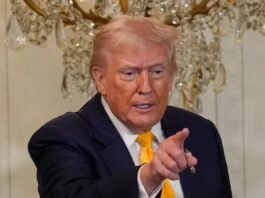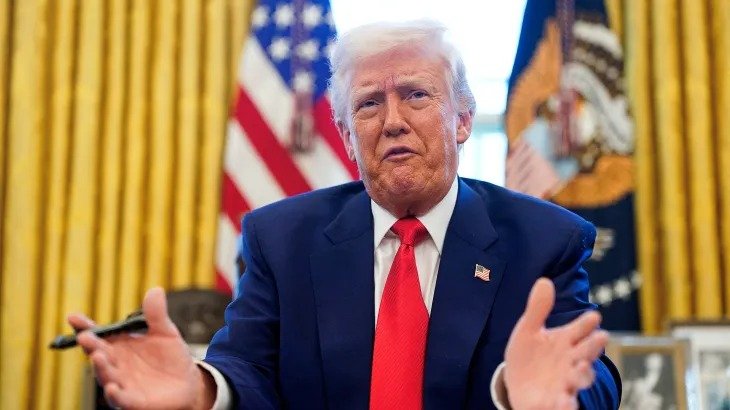
Former U.S. President Donald Trump has once again stirred global trade discussions after indicating that he may consider imposing fresh duties on rice imports from India. His remarks, made during an economic policy interaction with supporters, have sparked immediate concerns among exporters, policymakers, and global food market analysts. While no formal proposal has been issued yet, the possibility of renewed tariffs has opened a broader debate on how such a move could reshape trade flows at a time when inflation and supply chain vulnerabilities remain high across major economies.
If implemented, the move could mark another chapter in the complicated trade dynamic between India and the United States. India is the world’s largest rice exporter, accounting for more than 40% of global shipments. U.S. import volumes, especially in specialty and ethnic rice categories, have risen steadily in recent years. Any tariff would not only increase the landed cost of Indian rice in the U.S. but also push retailers and consumers toward higher prices, particularly in regions with large South Asian populations.
For Indian exporters, the potential tariff threat introduces uncertainty at a time when they are already navigating restrictions from other markets, including the EU’s quality concerns and several African nations’ efforts to stabilize local production. Industry experts warn that even a moderate tariff could shift demand toward competing exporters such as Thailand, Vietnam, and Pakistan, who may seize the opportunity to expand their foothold in the North American market.
Economists also highlight wider geopolitical implications. U.S. India relations, which have strengthened significantly over the last decade through defense cooperation, technology partnerships, and shared strategic interests in the Indo-Pacific, could face fresh friction. Trade policy has frequently been a sensitive point between the two nations, and Trump’s earlier tariff decisions-from steel and aluminum to generalized system preferences, remain fresh in diplomatic memory.
However, some analysts argue that the statement may primarily be political rhetoric aimed at appealing to domestic farming groups ahead of key election cycles. Historically, U.S. rice producers have pushed for protectionist measures, citing competition from heavily subsidized Asian markets. Whether this rhetoric translates into concrete policy will depend on broader economic assessments and political calculations.
For now, Indian exporters remain watchful, global rice markets remain nervous, and international observers await clarity on whether Trump’s latest comments signal a policy shift, or merely a campaign-era warning shot.