Australia is once again confronting hard questions about public safety and gun control after the shocking shooting incident at Sydney’s iconic Bondi Beach sent waves of fear across the country and beyond. The attack, which unfolded in a crowded public area frequented by locals and tourists alike, has reignited debate over firearms regulations, even in a nation often cited as a global model for strict gun laws.
According to officials, the incident triggered an immediate multi-agency response, with police securing the area, evacuating bystanders, and launching a rapid investigation. While authorities are still piecing together the full sequence of events, the scale and location of the violence have amplified public concern. Bondi Beach, long symbolising Australia’s laid-back lifestyle, has rarely been associated with such scenes, making the attack all the more jarring.
In the aftermath, senior Australian leaders signalled that further tightening of gun laws is firmly on the table. Government sources indicated that a review of existing firearm access, licensing loopholes, and illegal weapons trafficking will be prioritised. While Australia’s gun reforms following the 1996 Port Arthur massacre dramatically reduced mass shootings, policymakers acknowledged that evolving threats require constant reassessment. “No system can remain static,” one official noted, emphasising the need to adapt laws to emerging risks.
The political response has been swift and unusually unified. Leaders across party lines called for calm, accountability, and decisive action to prevent similar incidents. Several state premiers backed the federal push, urging closer coordination between states, tougher penalties for illegal possession, and enhanced monitoring of high-risk individuals.
International reaction has also been strong. Pope Francis condemned the violence, calling it a “tragic reminder of the human cost of hatred and weapons.” In a message issued from the Vatican, the Pope urged societies to reject violence and invest more deeply in dialogue, mental health support, and community cohesion. His remarks echoed statements from other global leaders who expressed solidarity with Australia and condolences to those affected.
Security experts say the Bondi Beach shooting highlights a broader global challenge. Even countries with relatively strict gun laws are not immune to isolated but devastating acts of violence. Analysts point to factors such as online radicalisation, mental health gaps, and the international black market for weapons as ongoing vulnerabilities.
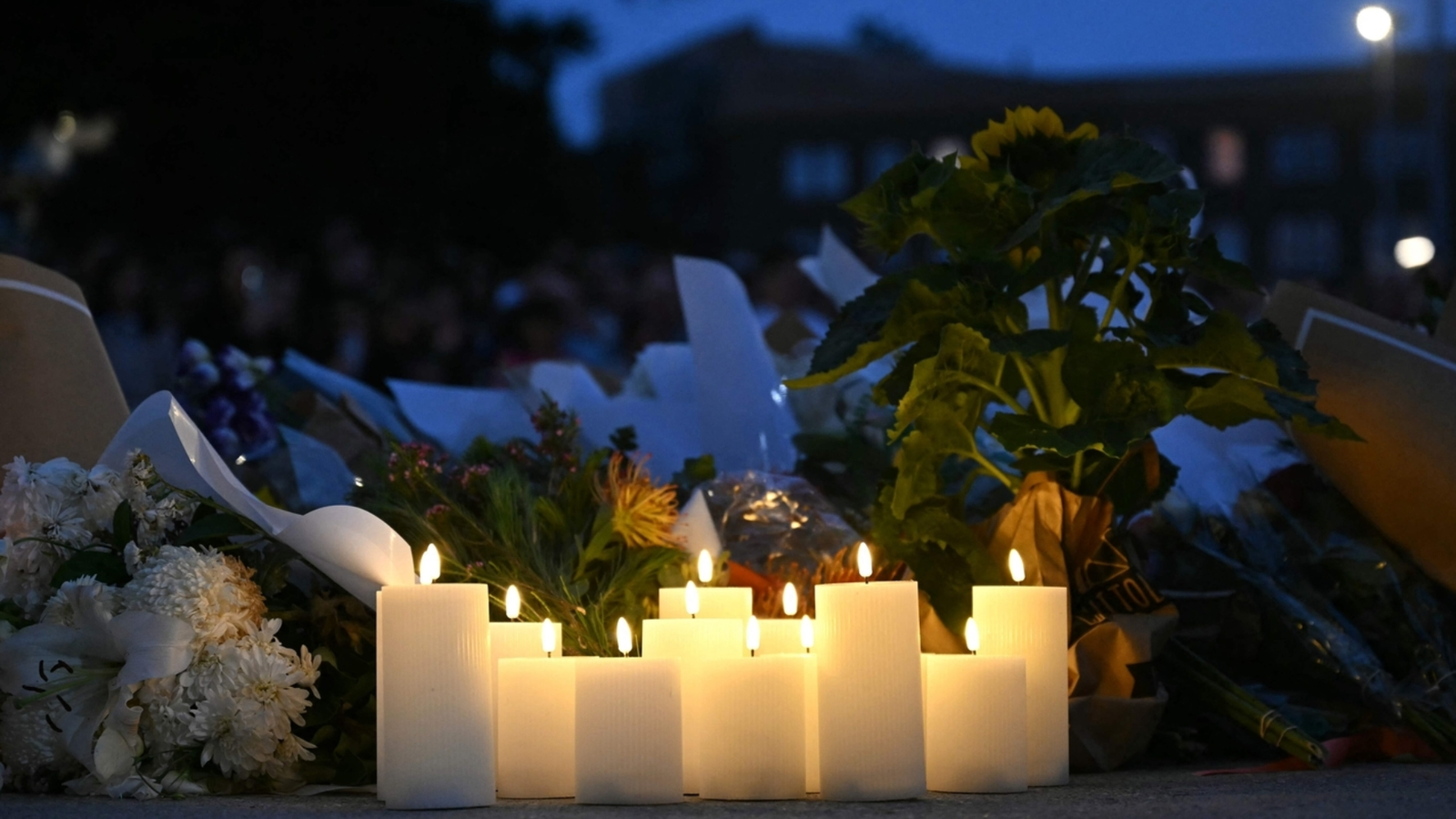
For residents and business owners around Bondi, the incident has left a lingering sense of unease. Community groups have organised vigils and counselling services, stressing resilience and unity in the face of fear. “This doesn’t define who we are,” said one local organiser. “But it does remind us that we can’t be complacent.”
As investigations continue, Australia appears poised for another pivotal moment in its approach to gun control and public safety. Whether the proposed measures will translate into lasting change remains to be seen, but the message from leaders is clear: the Bondi Beach shooting will not be treated as just another headline it is a call to action.