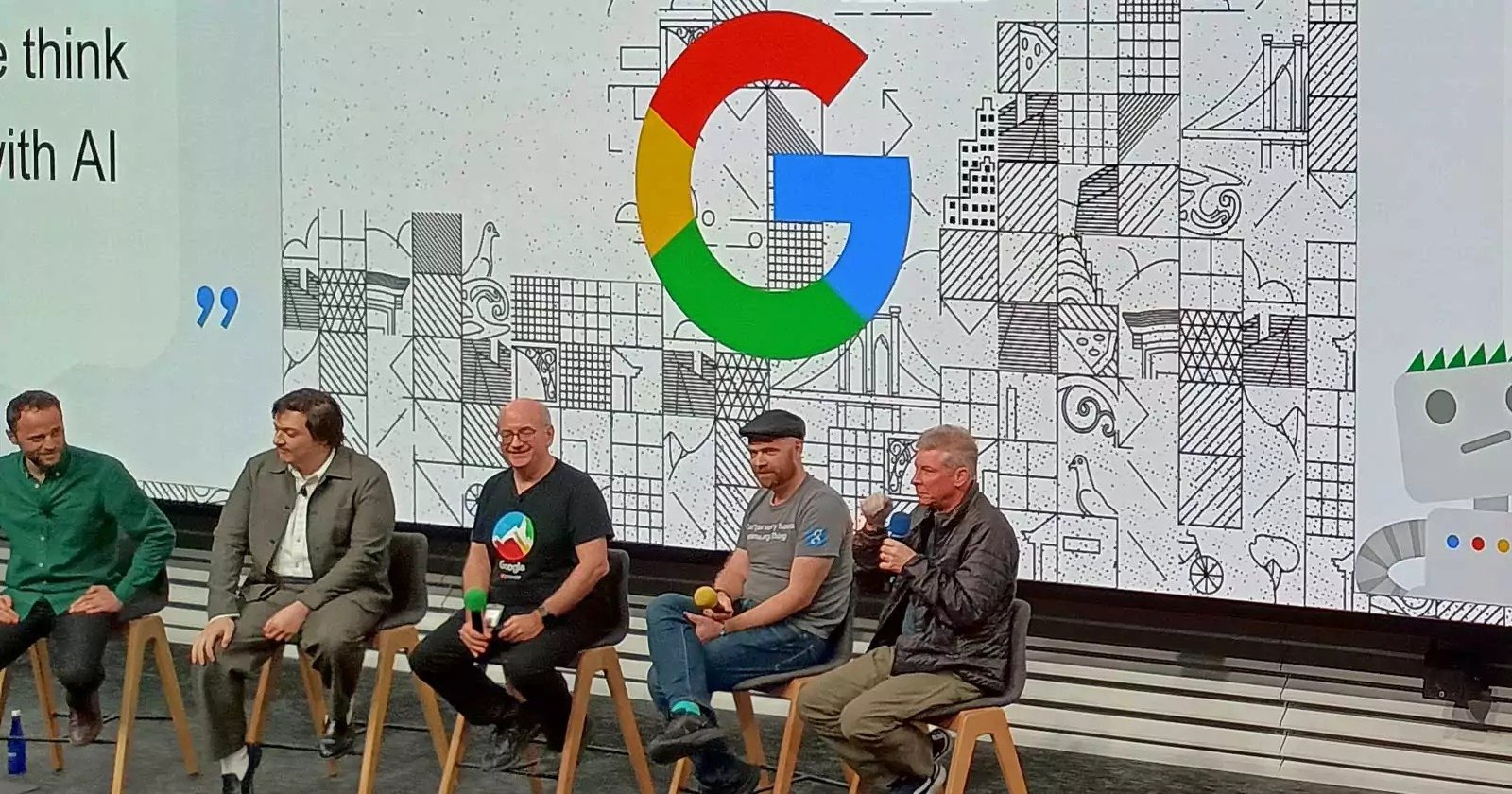
As artificial intelligence rapidly reshapes how people search for information, many website owners and marketers are questioning whether traditional SEO still matters. With AI-powered search experiences, generative answers, and conversational interfaces becoming more prominent, fears of “SEO becoming obsolete” have grown louder. However, Google Search Liaison Danny Sullivan and Search Advocate John Mueller have offered a clear and reassuring message: SEO for AI is not a new game, it’s still the same core principles, done well.
AI Changes the Interface, Not the Foundation
According to Sullivan and Mueller, AI-driven features in Google Search such as AI Overviews or generative summaries do not replace the need for quality content. Instead, they rely heavily on it. AI systems still need accurate, well-structured, and trustworthy information to generate useful responses. That information continues to come from websites that follow solid SEO practices.
In simple terms, while search presentation is evolving, search principles are not. Google’s ranking systems still aim to surface content that is helpful, reliable, and relevant to users’ queries. AI does not invent knowledge out of thin air; it synthesizes what already exists on the web.
High-Quality Content Remains Central
Mueller emphasized that creating content for humans not algorithms remains the most important rule. Websites that focus on clear explanations, original insights, and real value are better positioned to be used and referenced by AI-driven systems. Thin, duplicated, or clickbait-style content is less likely to be surfaced, whether in classic blue links or AI summaries.
Google’s long-standing emphasis on E-E-A-T (Experience, Expertise, Authoritativeness, and Trustworthiness) continues to apply. In fact, in an AI context, trust becomes even more critical. AI systems prioritize sources that demonstrate credibility, accuracy, and firsthand knowledge.
Technical SEO Still Matters
While content is king, technical SEO is still the foundation that allows content to be discovered and understood. Clean site architecture, proper indexing, fast loading speeds, mobile-friendliness, and structured data remain essential.
Sullivan noted that AI systems benefit from the same signals traditional search uses. Clear headings, descriptive titles, and well-organized pages help both users and machines interpret information correctly. Structured data, in particular, can make it easier for systems to understand context, entities, and relationships within content.
No “Special SEO for AI” Tricks
One of the biggest takeaways from Google’s messaging is that there is no separate or secret “AI SEO” strategy. Attempts to over-optimize specifically for AI-generated answers by stuffing keywords, rewriting content unnaturally, or gaming prompts are unlikely to work long-term.
Mueller cautioned against chasing trends or shortcuts. Instead, he advised site owners to focus on fundamentals they already know: answer real questions, update content regularly, and ensure accuracy. Websites that have historically performed well in search are also the ones most likely to be featured or cited in AI-powered results.
User Intent Is More Important Than Ever
AI-driven search experiences aim to satisfy user intent quickly and clearly. This puts even more pressure on publishers to deeply understand what their audience is actually looking for. Content that directly addresses user needs, provides context, and anticipates follow-up questions stands a better chance of being useful in an AI summary.
Rather than producing dozens of shallow articles, Google suggests investing in fewer, more comprehensive resources. Depth, clarity, and usefulness are what AI systems and users value most.
Visibility, Not Just Clicks
Another shift highlighted by Sullivan is the idea of visibility beyond traditional clicks. AI Overviews may answer some questions directly, reducing immediate traffic, but being cited or referenced still builds brand authority and trust. Over time, this visibility can lead to deeper engagement, repeat visits, and stronger recognition.
Google maintains that it is still committed to sending traffic to the web, but the way users interact with search results is evolving. Publishers are encouraged to measure success not only by clicks, but also by overall presence and influence.
The Bottom Line
Despite all the hype around AI, Google’s message is strikingly consistent: good SEO is still good SEO. There is no need to panic or reinvent strategies from scratch. Creating helpful, accurate, and user-focused content supported by strong technical foundations remains the best way to succeed.
As Danny Sullivan and John Mueller make clear, AI doesn’t change the rules of search; it amplifies them. Websites that have always put users first are the ones best prepared for the future of search, AI or otherwise.