


The fashion industry has always thrived on shock value, but this year pushed the boundaries of absurdity and extravagance like never before. From ultra-luxury items priced higher than premium cars to everyday objects reimagined as high-fashion collectibles, 2025 proved that nothing is too strange or too expensive when branding and storytelling are involved.
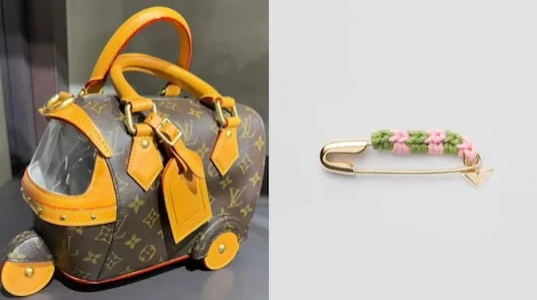
One of the most talked-about launches was a luxury auto-inspired bag from Louis Vuitton, reportedly priced at a staggering ₹35 lakh. Shaped like a miniature vehicle and crafted with signature LV monograms, the bag instantly divided the internet. While some hailed it as wearable art and a bold expression of craftsmanship, others questioned whether novelty alone justified such a price tag. Still, the piece achieved exactly what it was meant to do dominate headlines and fuel conversations around exclusivity.
At the other end of the spectrum sat Prada’s safety pin accessory, retailing for around ₹69,000. Essentially a reimagined everyday pin crafted in premium metal with subtle branding, it became a viral symbol of fashion’s ongoing obsession with minimalism taken to extremes. Critics mocked the idea of paying five figures for a utilitarian object, while supporters argued that luxury lies not in function, but in design philosophy and brand legacy.
The year also saw designer trash bags, inflated rubber boots meant purely for runway aesthetics, and handbags shaped like food items croissants, chips packets, and even vegetables. These launches blurred the line between satire and sincerity, leaving consumers unsure whether they were meant to laugh, admire, or buy.
What ties all these bizarre creations together is not just shock pricing, but a deeper shift in how luxury brands operate. In the age of social media, attention is currency. A controversial product can generate more visibility than a traditional collection. These launches are less about mass sales and more about reinforcing brand identity, exclusivity, and cultural relevance.
Interestingly, despite online criticism, many of these items sold out quickly or were reserved by elite buyers and collectors. This highlights a growing divide in fashion consumption where luxury increasingly caters to a niche audience that values rarity and statement over practicality.
As fashion continues to merge with pop culture, memes, and digital virality, such unconventional launches may become the norm rather than the exception. Whether you see them as creative genius or marketing gimmicks, one thing is clear: in 2025, fashion proved that weird sells and sometimes, it sells for lakhs.


