


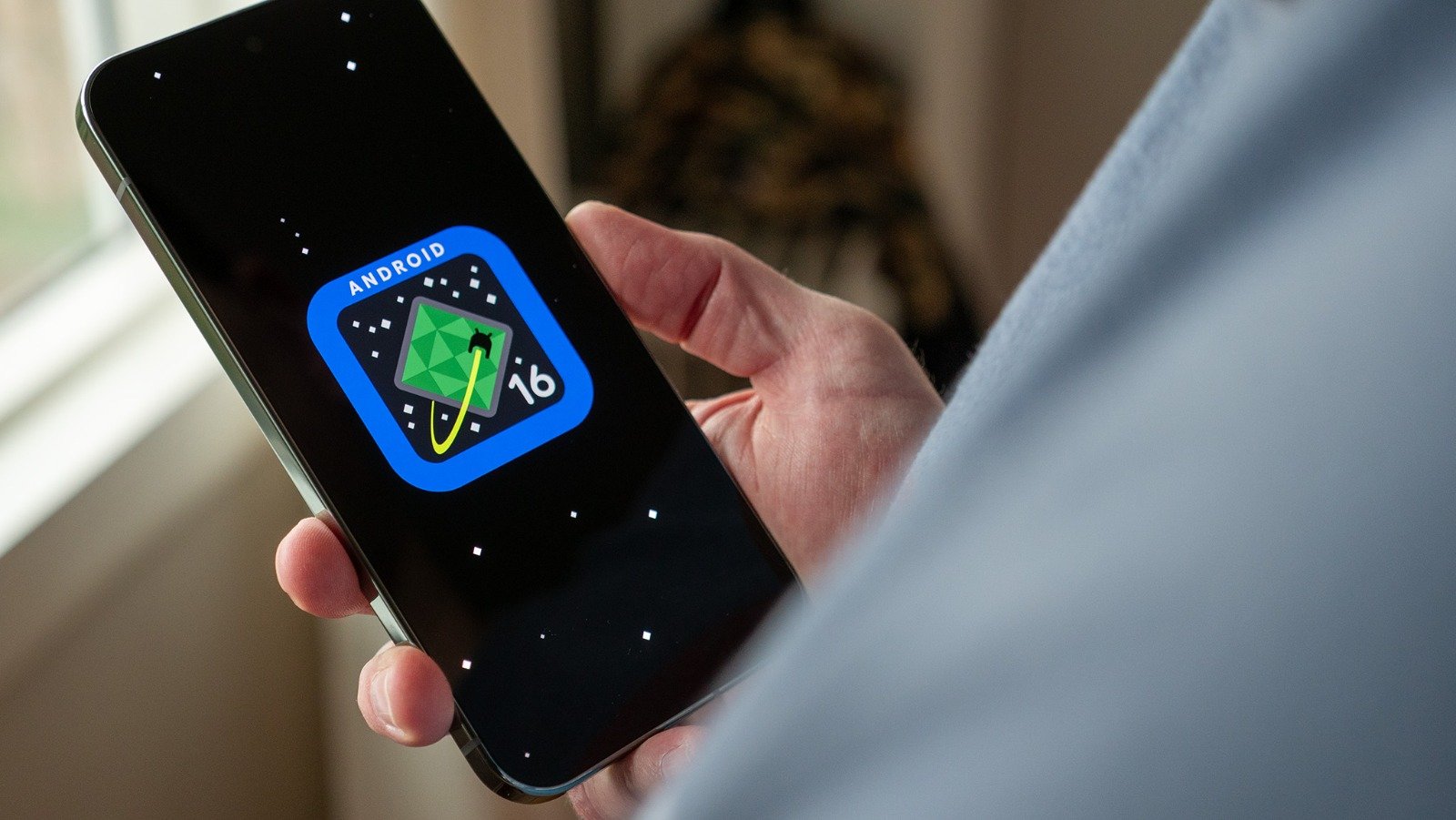
Google has quietly delivered a festive surprise for Pixel users by releasing Android 16 QPR3 Beta 1.1, a minor but important update aimed at fixing bugs and improving system stability ahead of the next major rollout. While it doesn’t introduce flashy new features, this beta release focuses on polishing the Android 16 experience, especially for users already enrolled in the beta programme.
What Is Android 16 QPR3 Beta 1.1?
Quarterly Platform Releases (QPRs) are Google’s way of delivering refinements between major Android versions. Android 16 QPR3 Beta 1.1 is a maintenance-focused update, following the initial QPR3 beta, and is primarily designed to address issues reported by testers over the past few weeks.
The update is currently available for eligible Pixel devices, including recent Pixel models enrolled in the Android Beta Program. Users receive it as an over-the-air (OTA) update, making installation seamless.
What’s New in This Beta Update?
Unlike major Android releases, Beta 1.1 doesn’t overhaul the interface or add headline features. Instead, it brings behind-the-scenes improvements that directly impact daily usability.
Key highlights include:
- Bug fixes for system UI glitches, including occasional freezes and animation stutters
- Improved battery performance, especially during background app activity
- Enhanced connectivity stability, addressing reports of random Wi-Fi and Bluetooth dropouts
- Security and performance optimisations, ensuring smoother multitasking and app launches
Google has also resolved several developer-reported issues that affected testing environments, making this update particularly valuable for app developers preparing for Android 16’s broader rollout.
Why This Update Matters
While minor in size, QPR3 Beta 1.1 plays an important role in shaping the final Android 16 experience. These fixes help Google:
- Collect real-world performance data
- Identify lingering system-level issues
- Ensure future stable releases are more reliable
For beta users, it means fewer interruptions and a more refined OS, especially during long usage sessions.
Who Should Install It?
If you’re already enrolled in the Android 16 beta programme, installing Beta 1.1 is recommended. It improves stability without introducing major risks. However, users who rely on their phone for mission-critical tasks may still prefer waiting for the stable public release, as beta software can occasionally introduce new bugs.
What’s Next for Android 16?
Android 16 is expected to bring deeper AI integration, smarter privacy controls, and further refinements to Material You design elements. With QPR3 Beta 1.1 now live, Google appears to be on track for a smoother transition into the next testing phase and, eventually, a stable quarterly update.
For now, Android 16 QPR3 Beta 1.1 may not be a headline-grabber but it’s a clear sign that Google is tightening the screws, ensuring Android’s next chapter arrives polished, stable, and ready for millions of users worldwide.


