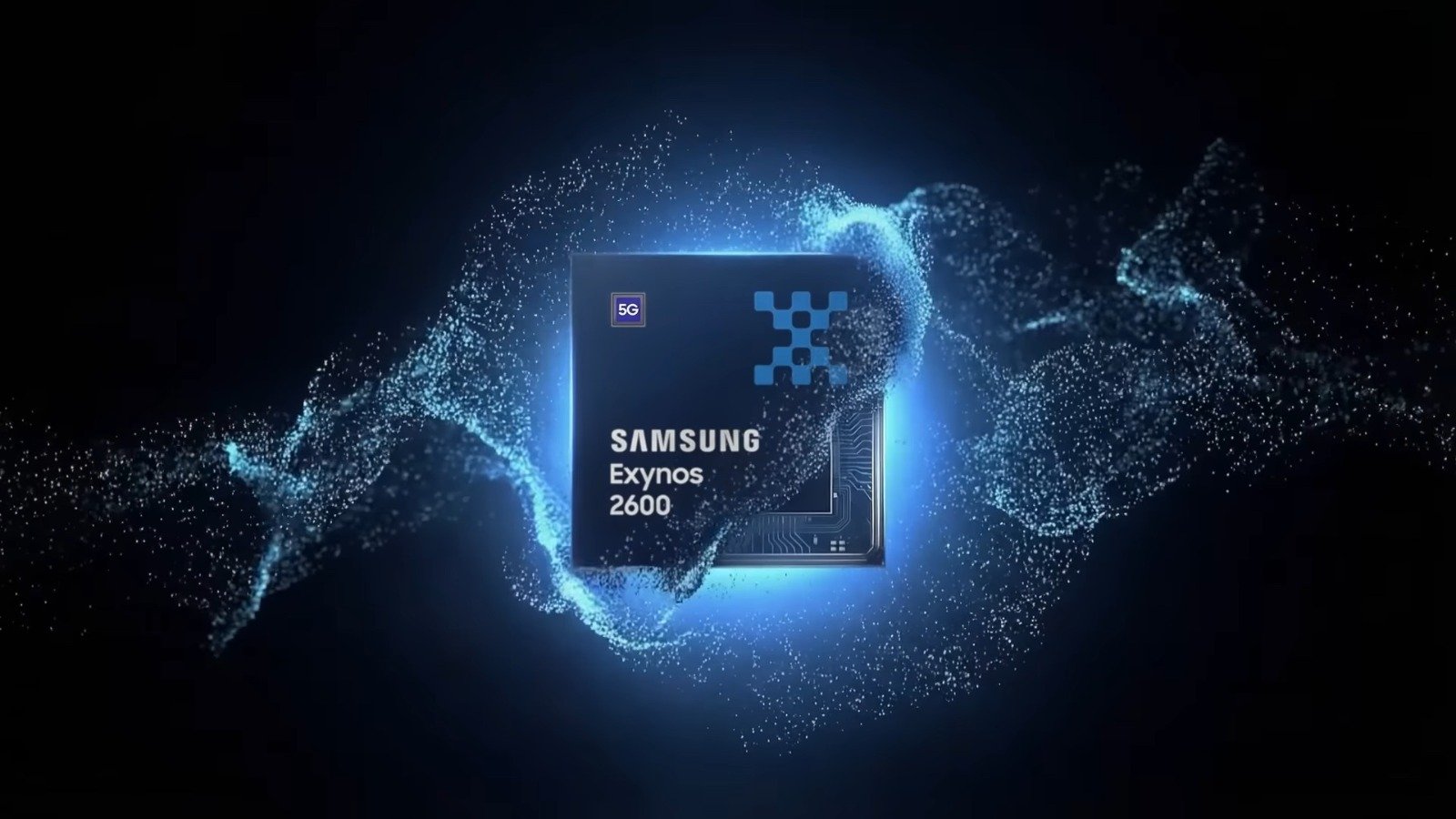
Samsung appears poised to make a bold leap in mobile graphics performance with its next-generation Exynos 2600 SoC, as details begin to emerge about the GPU technology that could power future Galaxy devices. According to industry leaks and early reports, the Xclipse 960 GPU integrated into the Exynos 2600 may be built on AMD’s RDNA4-derived graphics architecture, marking a noteworthy evolution in Samsung’s chip strategy and strengthening its collaboration with AMD.
Historically, Samsung has partnered with AMD to co-develop GPU designs for its premium mobile chipsets, with RDNA-inspired graphics previously appearing in the Exynos 2200. The rumored shift to RDNA4-based designs in the upcoming Exynos 2600 would suggest Samsung is doubling down on this relationship, bringing even greater GPU capabilities to Android devices and potentially narrowing the performance gap with some of Qualcomm’s latest Snapdragon GPUs.
The Xclipse 960 the successor to the Xclipse 920 in earlier Exynos models is expected to deliver significant improvements in raw graphical throughput, energy efficiency and machine-learning acceleration. By leveraging AMD’s RDNA4 heritage, the architecture could support advanced rendering features, smoother gaming performance at higher frame rates, and industry-leading power management. For Samsung’s flagship Galaxy series, this would be a strategic move to elevate visual performance in demanding gaming titles, augmented-reality applications and complex computational tasks without compromising battery life.
Beyond graphics, the Exynos 2600 is speculated to offer enhancements across the SoC, including upgraded CPU cores, next-level NPU performance for AI workloads, and improved connectivity. If Samsung manages to combine an RDNA4-derived GPU with balanced CPU and ISP capabilities, the upcoming chipset could challenge competitors at the very top of the mobile silicon hierarchy.
The potential integration of AMD-inspired GPU technology into Samsung’s mobile silicon also reflects broader industry trends where smartphone makers increasingly seek bespoke hardware to differentiate their products. For users, this could mean Samsung smartphones that offer better gaming experiences, smoother everyday graphics and longer relevance through software and API support.
While Samsung has not confirmed these details officially, and exact benchmarks remain unknown until closer to launch, the prospect of an RDNA4-derived Xclipse GPU hints at a compelling future for Exynos-powered devices. Enthusiasts and developers alike will be watching closely as more concrete specifications and performance tests are expected to surface in the coming months ahead of the Exynos 2600’s anticipated debut in flagship devices.