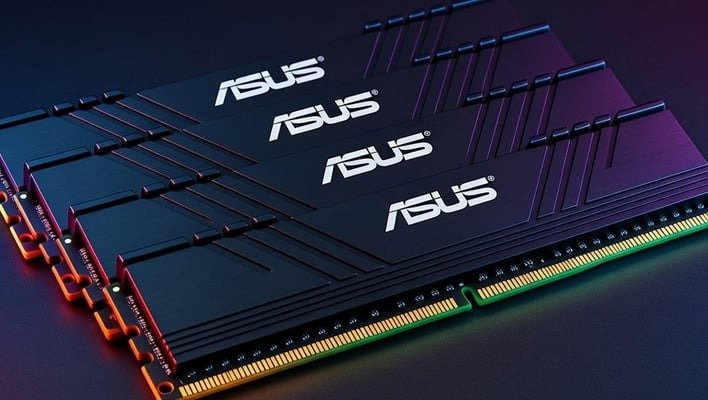
Taiwanese tech giant Asus has officially shot down circulating rumours that it plans to build its own DRAM memory manufacturing facilities, even as the global memory market grapples with record-high prices and tight supply. The company made clear that it has no intentions of investing in DRAM fabrication plants or entering the semiconductor manufacturing business, countering speculation that it would begin producing its own memory chips to secure supply for its PCs and laptops.
The rumours emerged in late December after industry chatter suggested Asus might launch its own memory production in a bid to tackle the ongoing DRAM shortage and sky-high prices affecting computers, servers, and consumer electronics worldwide. However, Asus reiterated in a statement reported by Taiwanese media that it will instead deepen partnerships with existing memory suppliers and adjust product strategies based on market conditions, but will not pursue its own memory fabrication operations.
The backdrop to this clarification is a dramatic surge in DRAM prices driven by constrained supply and skyrocketing demand from AI data centers and cloud infrastructure builds. Recent industry reports show that DRAM contract prices have climbed sharply with some measures indicating a year-over-year increase exceeding 170 per cent, largely due to big tech firms consuming large portions of global output.
This memory squeeze is already rippling across the wider hardware market. Retail prices for DDR5 RAM and other memory modules have doubled in some cases, prompting reports of falling motherboard sales and strain on PC pricing as manufacturers adjust to tighter inventories and rising component costs.
In Japan, retailers have begun rationing high-end graphics cards with large amounts of VRAM which also depends on DRAM supply due to limited stocks and elevated memory costs. Some stores are restricting purchases of these GPUs to one unit per customer to manage the scarcity.
Industry analysts say that the memory crunch is unlikely to ease quickly. Established memory makers such as Samsung, SK Hynix, and Micron have been prioritising high-bandwidth memory and server-grade products for lucrative enterprise customers, leaving less capacity for consumer DRAM. This has resulted in a market where simple increases in capacity and demand can push prices sharply upward.
While Asus’s denial quashes the idea that the PC manufacturer will become a new DRAM producer any time soon, the broader memory shortage continues to present challenges for OEMs and consumers alike. Many OEMs are now facing higher bills for components and are passing part of those costs onto customers, potentially leading to more expensive laptops, desktops, and gaming hardware in the coming year.
Overall, Asus’s clarification comes amid heightened attention on memory markets and underscores how complex and capital-intensive semiconductor manufacturing remains, even for large technology brands. In the short term, consumers and system builders are likely to continue feeling the effects of tight DRAM supply and elevated prices throughout 2026.