


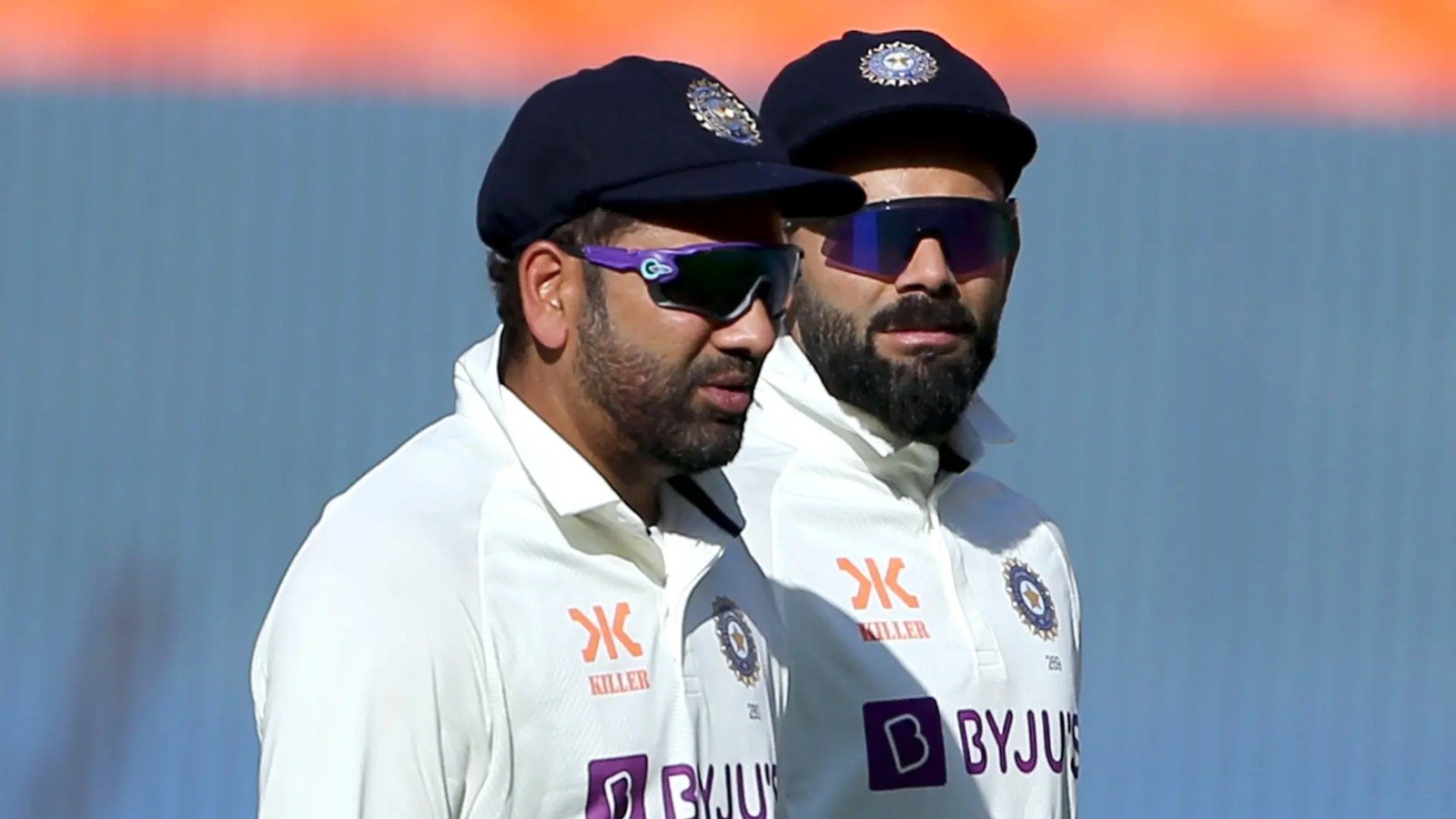
The Board of Control for Cricket in India (BCCI) has been urged to consider scheduling a triangular One Day International (ODI) series, amid growing discussion around the future of senior stars Virat Kohli and Rohit Sharma in the 50-over format. The suggestion comes at a time when Indian cricket is balancing transition with experience, especially as major global tournaments loom on the horizon.
With both Kohli and Rohit in their mid-30s, questions about workload management, form, and long-term planning have become central to selection debates. While neither player has announced any immediate plans to step away from ODIs, recent squad rotations and rest periods have fuelled speculation about how long they will continue in the format and how the team management plans to groom successors.
Former cricketers and analysts believe a triangular series could offer the perfect competitive platform to address multiple objectives at once. Such a series would allow India to test bench strength against quality opposition while still benefiting from the presence of senior players. It could also help selectors assess combinations, middle-order stability, and bowling depth under pressure something bilateral series often fail to replicate.
Supporters of the idea argue that triangular series bring back an element of context-driven cricket, where every match carries significance and net run rate, adaptability, and consistency come into play. For Kohli and Rohit, it would provide meaningful game time rather than sporadic appearances, helping determine their readiness and role heading into future ICC events.
The debate around the duo’s ODI future is not rooted in a lack of respect for their contributions. Together, Kohli and Rohit have shaped India’s modern ODI legacy, delivering match-winning performances across continents and tournaments. However, the emergence of younger batters and the need to build a long-term core has prompted calls for a structured transition rather than abrupt changes.
A triangular series could also ease pressure on team management by offering clarity. Selectors would be able to observe how senior players perform against different bowling attacks in quick succession, while also rotating younger players into high-stakes matches. This data-driven approach could inform decisions without forcing premature retirements or relying on assumptions.
From a commercial and fan-engagement perspective, triangular series are widely seen as a win-win. With three competitive teams, viewership tends to rise, stadiums fill up, and broadcasters benefit from increased interest. For fans, it revives a format that once defined ODI cricket in the late 1990s and early 2000s.
Critics, however, point to an already packed international calendar as a major obstacle. With franchise leagues, ICC tournaments, and bilateral commitments, carving out space for triangular series requires careful coordination. The BCCI would also need buy-in from other boards to ensure quality opposition and smooth scheduling.
As discussions continue, the suggestion reflects a broader shift in Indian cricket thinking how to manage legends while preparing for the future. Whether or not the BCCI adopts the triangular series proposal, the conversation around Virat Kohli and Rohit Sharma’s ODI future underscores the delicate balance between experience and evolution.
For now, the focus remains on creating opportunities that serve both objectives: honoring proven match-winners while ensuring India’s next generation is ready to take charge when the time comes.


