


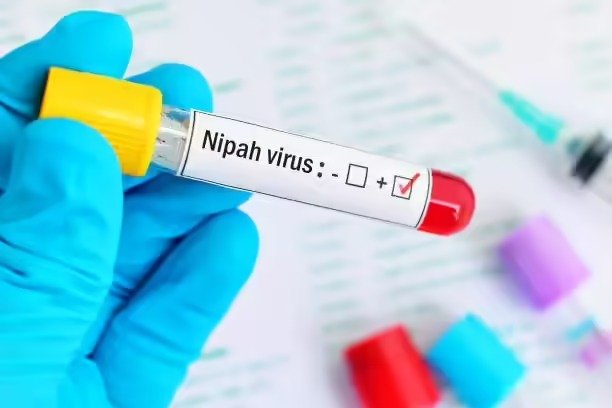
The National Centre for Disease Control (NCDC) has confirmed that only two cases of Nipah virus infection have been reported in West Bengal since December, offering reassurance amid concerns triggered by sporadic outbreaks of the deadly zoonotic disease in parts of the country. Health authorities have stressed that there is no evidence of wider community transmission and that the situation remains firmly under control.
According to officials familiar with the assessment, both confirmed cases were identified through enhanced surveillance and promptly isolated. Contact tracing was carried out swiftly, and all high-risk contacts were monitored closely, with no additional infections detected so far. The NCDC said this early detection and rapid response played a crucial role in preventing further spread.
Nipah virus, which is transmitted from anizls primarily fruit bats to humans, is known for its high fatality rate and potential to cause severe respiratory illness and encephalitis. While previous outbreaks, particularly in Kerala, have raised alarm nationwide, public health experts emphasise that isolated cases do not automatically indicate an outbreak.
“The reporting of two cases does not mean there is a surge. Our surveillance systems are active, and there is no cause for panic,” a senior health official said, adding that West Bengal’s health infrastructure responded in line with standard operating protocols.
Following the confirmation, the state health department intensified hospital preparedness measures, including infection control training for medical staff, availability of personal protective equipment (PPE), and readiness of isolation wards. Advisory notices were also circulated to district hospitals, urging clinicians to remain alert for symptoms such as fever, headache, altered mental status, and respiratory distress particularly in patients with exposure to bats or consumption of raw fruits.
The NCDC has been working closely with the Indian Council of Medical Research (ICMR) and state authorities to analyse samples, track epidemiological links, and assess environmental risk factors. Officials said fruit bat populations in nearby regions are being monitored, as bats are known natural reservoirs of the virus.
Public health experts have also urged people not to rely on misinformation circulating on social media. “Unverified claims often cause unnecessary fear. People should trust official updates and follow basic precautions, such as avoiding consumption of partially eaten fruits and maintaining hygiene,” an infectious disease specialist said.
Importantly, no travel restrictions or public movement advisories have been issued, reflecting the assessment that the risk to the general population remains low. Schools, workplaces and public spaces continue to function normally, and authorities have ruled out the need for extraordinary containment measures at this stage.
The confirmation of only two cases since December underscores the effectiveness of India’s disease surveillance network, which has been significantly strengthened in recent years following experiences with COVID-19 and earlier Nipah outbreaks. Experts believe this preparedness has enabled faster detection, better coordination, and transparent communication with the public.
The NCDC reiterated that it will continue to monitor the situation closely and provide timely updates if there is any change in risk assessment. For now, officials maintain that there is no outbreak in West Bengal, and citizens are advised to remain calm, vigilant, and informed through credible sources.
As India remains on alert for emerging and re-emerging infections, health authorities say the key lies in early reporting, responsible public behaviour, and sustained investment in public health systems lessons reinf orced once again by the Nipah virus watch in West Bengal.


