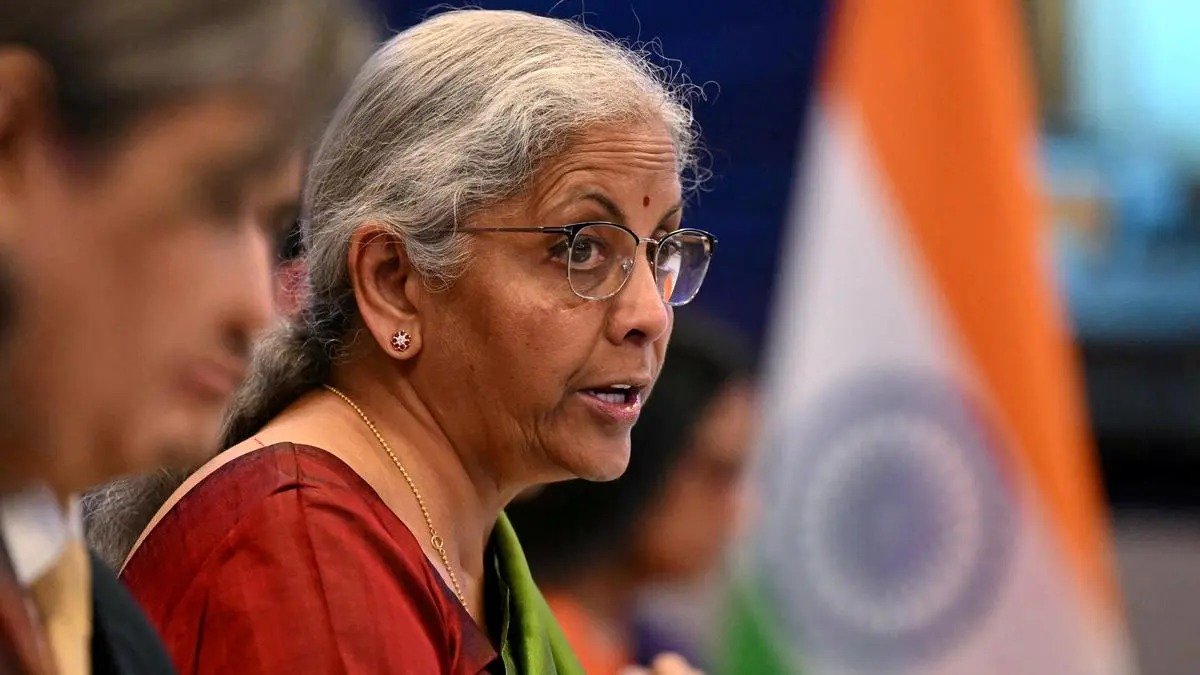
The Economic Survey 2026 is set to be tabled in Parliament today by Union Finance Minister Nirmala Sitharaman, offering a comprehensive snapshot of India’s economic health ahead of the Union Budget. Traditionally released a day before the Budget, the Survey is closely watched by policymakers, investors, industry leaders, and economists, as it outlines the government’s assessment of growth trends, fiscal challenges, and reform priorities.
This year’s Economic Survey comes at a crucial moment for the Indian economy, which has navigated global headwinds ranging from geopolitical tensions and volatile energy prices to slowing growth in major economies. Despite these challenges, India has remained one of the world’s fastest-growing large economies, and the Survey is expected to highlight the resilience of domestic demand, public infrastructure spending, and a steady push toward manufacturing and digital transformation.
According to officials familiar with the process, the Survey will likely focus on macroeconomic stability, including inflation management, fiscal consolidation, and external sector performance. With inflation having moderated compared to previous years, the document may underscore the role of calibrated monetary policy and supply-side interventions in keeping price pressures in check while supporting growth.
A key section of the Economic Survey is expected to examine employment trends, particularly in the context of rising formalisation of the economy. The expansion of GST, digital payments, and labour market reforms are likely to be highlighted as structural changes that are gradually reshaping India’s workforce and productivity landscape. The Survey may also touch upon the challenges of job creation in emerging sectors such as artificial intelligence, green energy, and advanced manufacturing.
Infrastructure development is set to be another major theme. Over the past year, the government has continued its aggressive push on highways, railways, ports, and urban infrastructure. The Survey is expected to argue that sustained public capital expenditure has had a multiplier effect, crowding in private investment and strengthening long-term growth potential.
On the external front, the Economic Survey 2026 may analyse India’s trade performance amid shifting global supply chains. With companies increasingly looking to diversify away from China, India’s role as an alternative manufacturing hub is expected to feature prominently. The document may also assess the impact of free trade agreements and evolving geopolitical alignments on exports and foreign direct investment.
The Survey is also likely to devote attention to climate action and green growth, reflecting the government’s emphasis on energy transition, renewable capacity expansion, and sustainable development. Issues such as climate finance, carbon markets, and green jobs could form part of the broader narrative linking economic growth with environmental responsibility.
For markets, the Economic Survey serves as a critical signal of the government’s thinking ahead of the Budget. While it does not announce new policies or tax changes, its analysis often provides clues about fiscal priorities, reform direction, and the balance between growth support and fiscal discipline.
As Nirmala Sitharaman tables the Economic Survey 2026 in Parliament, all eyes will be on how the government frames India’s economic story balancing optimism about growth prospects with realism about global uncertainties. The insights from the Survey will set the context for the Union Budget, shaping expectations for policy decisions that could influence India’s economic trajectory in the year ahead.