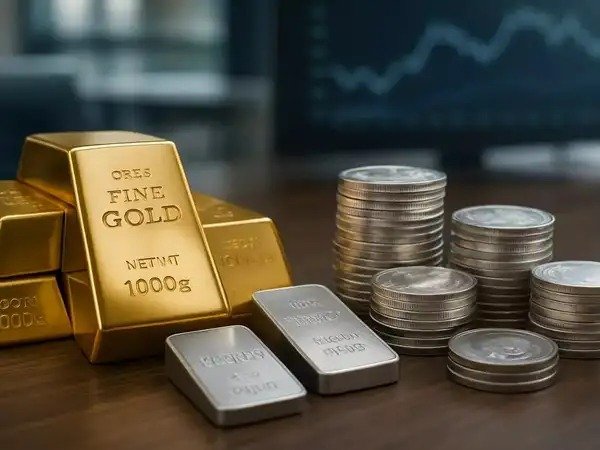
Gold and silver prices have surged to historic highs, signalling renewed investor appetite for precious metals amid global economic uncertainty. As prices climb, a noticeable shift is underway in the way bullion is being traded, with market participants increasingly favouring spot deals over futures contracts, reflecting both volatility concerns and immediate physical demand.
Gold prices touched fresh record levels in international markets this week, driven by a combination of a weakening US dollar, expectations of interest rate cuts by major central banks, and heightened geopolitical tensions. Silver, often seen as both a precious and industrial metal, followed suit, hitting multi-year and in some markets all-time highs on strong demand from renewable energy, electronics, and safe-haven investors.
Market analysts say the rally is not just speculative. Central banks across emerging and developed economies have continued to accumulate gold as part of reserve diversification strategies, reducing reliance on the US dollar. This sustained institutional buying has provided a strong floor for prices, even during brief market corrections.
What is drawing particular attention, however, is the growing preference for spot trading. Traditionally, a large portion of bullion trading occurs through futures contracts on exchanges such as COMEX, where investors bet on future price movements. Now, dealers report a surge in spot transactions immediate purchases of physical gold and silver or contracts settled instantly at current prices.
This shift is being attributed to several factors. First, sharp price swings have increased margin requirements in futures markets, making leveraged positions more expensive and risky. Second, concerns over counterparty risk and settlement delays have pushed traders toward direct ownership or spot-linked instruments. Finally, strong physical demand from Asia, especially India and China, has tightened supply chains, reinforcing the appeal of spot purchases.
In India, domestic gold and silver prices have climbed sharply, influenced by both global trends and currency movements. Despite higher prices, jewellers report steady demand ahead of the wedding season, while investors continue to view gold as a hedge against inflation and market instability. Silver demand has also strengthened, particularly from industrial users and retail investors seeking a lower-cost alternative to gold.
Commodity experts caution that while the long-term outlook for precious metals remains positive, short-term volatility is likely. Any sudden strengthening of the dollar, unexpected central bank policy shifts, or profit-taking by large funds could trigger corrections. Still, the broader sentiment remains bullish, especially as global growth concerns persist and geopolitical risks show no signs of easing.
The rise in spot trading also reflects a psychological shift in the market. Investors appear less interested in paper exposure and more focused on tangible assets, echoing trends seen during previous periods of financial stress. Exchange-traded products backed by physical gold and silver have also seen increased inflows, further supporting prices.
As gold and silver continue their upward march, the move toward spot deals underscores a market seeking certainty in uncertain times. Whether this trend sustains will depend on macroeconomic signals in the coming months, but for now, precious metals are firmly back in the spotlight not just as assets to trade, but as stores of value investors want in hand.