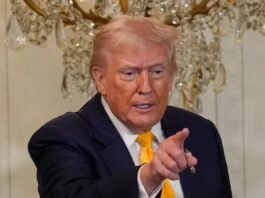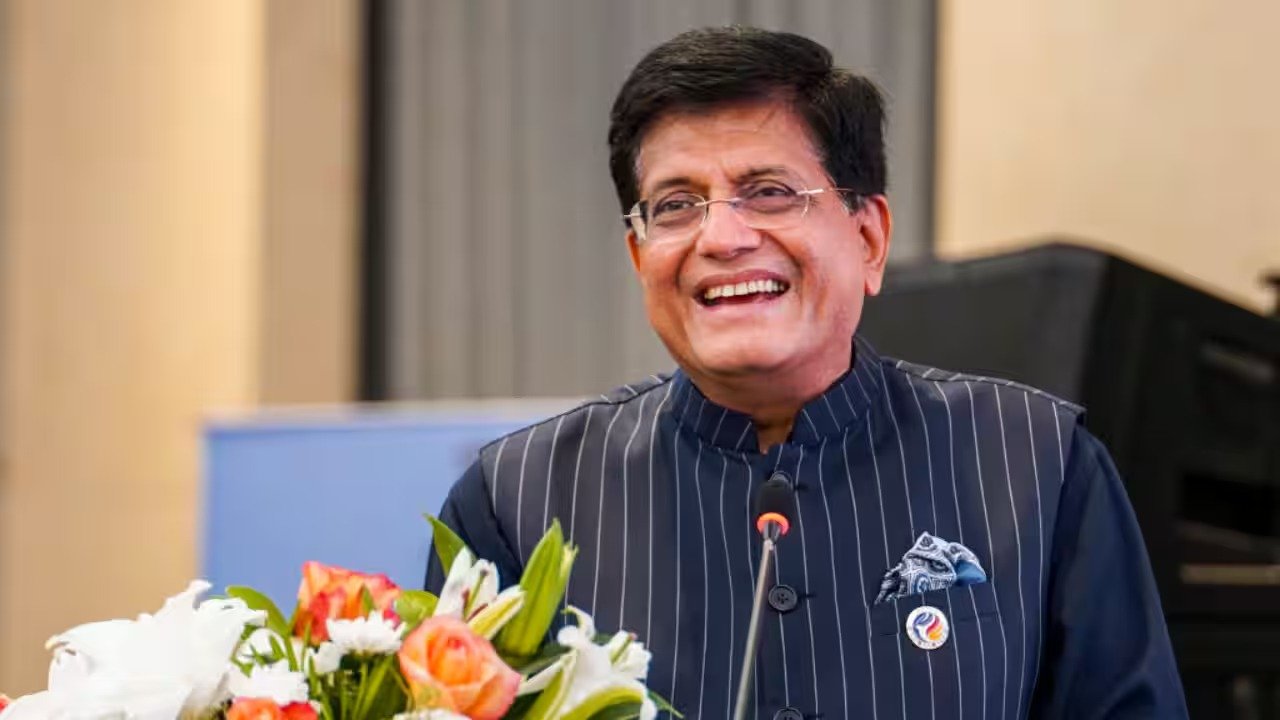
India and the United States are moving steadily towards concluding their long-running trade negotiations, with Union Commerce and Industry Minister Piyush Goyal indicating that most contentious issues between the two countries have been resolved. In an exclusive interaction, Goyal said the discussions are now focused on final alignment, suggesting that a breakthrough agreement could be on the horizon after years of stop-start negotiations.
Speaking on the progress of the talks, Goyal remarked that there are “no more sticky issues” holding back an understanding between the two strategic partners. According to him, both sides have shown flexibility and maturity in addressing sensitive trade concerns, paving the way for a balanced and mutually beneficial outcome. The minister stressed that India’s approach has been guided by national interest while remaining open to deeper economic engagement with the US.
India-US trade ties have expanded significantly over the past decade, with bilateral trade crossing the $190 billion mark. However, negotiations have often been slowed by disagreements over tariffs, market access, digital trade rules, intellectual property concerns, and visa-related matters. Goyal’s comments signal that many of these long-standing differences have either been resolved or narrowed to a point where closure is possible.
The commerce minister underlined that India is not entering into talks under pressure and is negotiating from a position of confidence. He pointed to India’s growing economic strength, expanding manufacturing base, and large consumer market as factors that have strengthened New Delhi’s bargaining power. “India today is seen as a trusted partner, not just a market,” Goyal noted, adding that the country’s reform momentum has enhanced investor confidence globally.
On the US side, the push to finalise trade arrangements with India comes amid efforts to diversify supply chains and reduce over-dependence on China. India’s role as a key partner in the Indo-Pacific and its growing importance in global manufacturing have added strategic weight to the trade talks. Analysts believe this convergence of economic and geopolitical interests has injected fresh urgency into negotiations.
Goyal also highlighted that the proposed agreement is expected to benefit key sectors such as manufacturing, agriculture, pharmaceuticals, digital services, and clean energy. He emphasised that safeguards for Indian farmers, small businesses, and domestic industry remain a top priority. “Trade agreements must be fair, equitable, and sustainable. Growth cannot come at the cost of livelihoods,” he said.
Industry bodies in India have welcomed the minister’s remarks, viewing them as a positive signal for exporters and investors. A successful conclusion of the talks could provide Indian companies greater access to the US market while encouraging American firms to expand manufacturing and technology investments in India.
While Goyal stopped short of giving a timeline, his assertion that negotiations are nearing closure has raised expectations of an announcement in the coming months. If finalised, the agreement would mark a significant milestone in India-US economic relations, reinforcing their partnership at a time of shifting global trade dynamics.
As both nations look to strengthen economic resilience and strategic cooperation, the near-completion of trade talks reflects a shared intent to move beyond past frictions and build a forward-looking, rules-based economic partnership.