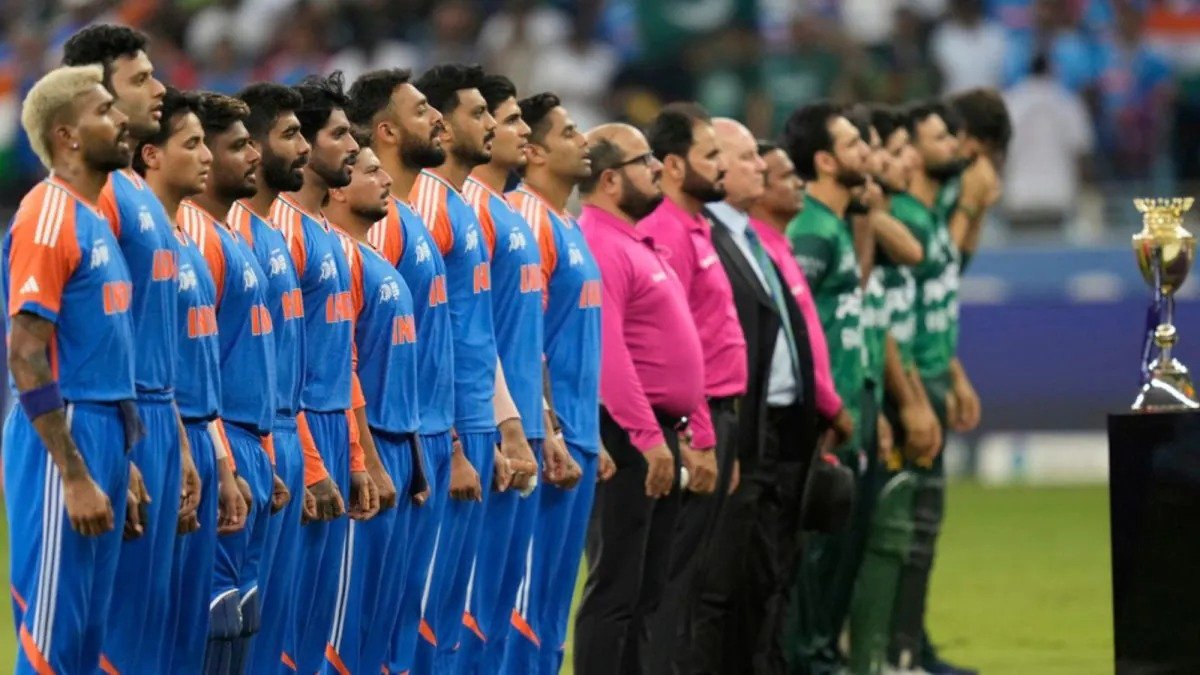
A dramatic off-field development has thrown the T20 World Cup group-stage equation into flux, with India potentially set to receive a walkover victory following Pakistan’s reported boycott of their scheduled February 15 match. The move, if officially confirmed and upheld by the International Cricket Council (ICC), could have major implications for qualification scenarios, points tables, and the political undercurrents that often surround India–Pakistan cricket.
What Happened?
According to sources close to tournament planning, Pakistan have indicated they will not take the field for their February 15 fixture, citing administrative and political objections linked to venue arrangements and security assurances. While no final public statement has yet been issued by the Pakistan Cricket Board (PCB), tournament officials are treating the communication as a match non-participation notice, which activates ICC playing conditions.
Why a Walkover Benefits India
Under ICC tournament regulations, if a team refuses or fails to play a scheduled match without ICC-approved justification, the opposing team is awarded a walkover. This means:
- India would receive full points for the match
- Pakistan would receive zero points
- Net Run Rate (NRR) would not change, but the points advantage could be decisive in a tight group
In a short-format tournament like the T20 World Cup, two points can be the difference between advancing to the Super 8s/knockouts and an early exit.
ICC’s Role and Next Steps
The ICC is expected to conduct a rapid review, examining:
- Whether Pakistan’s reasons qualify as force majeure
- Whether adequate alternatives or accommodations were offered
- Whether the boycott violates participation agreements
If the ICC rules that the boycott is unilateral and unjustified, the walkover decision becomes automatic. In extreme cases, financial penalties or future hosting restrictions could also be considered, though such outcomes are rare.
Impact on Group Dynamics
India receiving a walkover would immediately strengthen their position at the top of the group, easing pressure in remaining fixtures. For Pakistan, the consequences could be severe:
- Reduced margin for error in remaining matches
- Increased dependence on other results
- Potential early elimination if rival teams capitalize
Other teams in the group may also raise concerns about competitive balance, as a walkover can distort standings compared to matches decided on the field.
Fans, Broadcasters, and the Bigger Picture
An India–Pakistan clash is widely regarded as the biggest commercial and viewership draw in world cricket. A boycott would not only disappoint fans globally but also impact broadcasters and sponsors who bank on record-breaking numbers from the fixture.
Historically, cricket boards and the ICC have gone to great lengths to ensure such matches proceed, even amid diplomatic tensions. That’s why this development is being viewed as unusually serious and potentially precedent-setting.
What Happens If Pakistan Reverses Its Decision?
If Pakistan rescinds the boycott before the ICC issues a formal ruling, the match could still go ahead as scheduled. However, once a walkover is officially recorded, it cannot be reversed.
For now, all eyes are on the ICC’s decision and whether cricket’s fiercest rivalry will be decided not by bat and ball, but by the rulebook.