


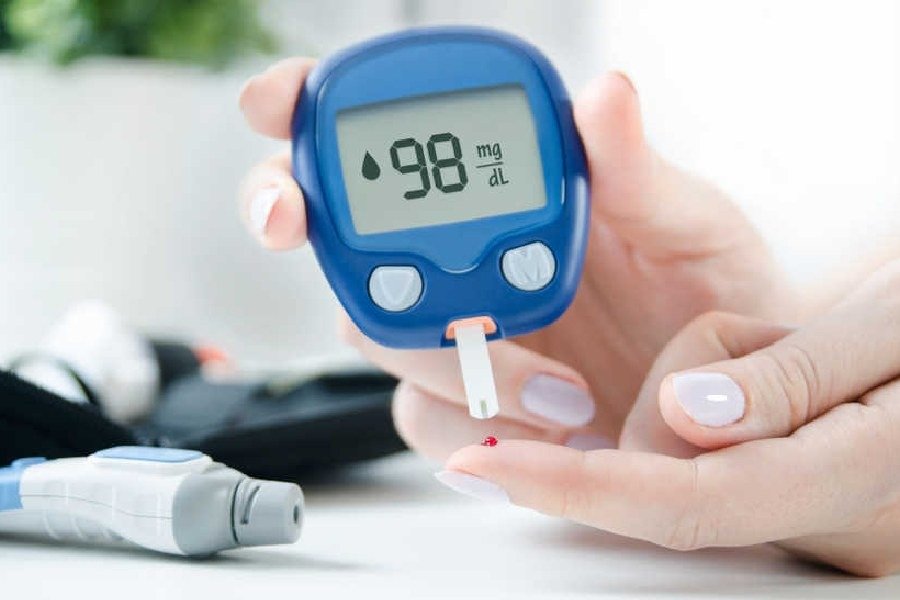
A panel of doctors has cautioned against relying solely on the HbA1c blood test to diagnose diabetes, warning that the widely used marker can misclassify patients and miss early disease in certain groups. The advisory comes amid growing concern that overdependence on a single test may lead to delayed treatment or unnecessary anxiety for patients.
HbA1c, which measures average blood sugar levels over the previous two to three months, has become a preferred diagnostic tool because it does not require fasting and is considered convenient for both patients and clinicians. However, experts say its simplicity can mask important limitations that reduce accuracy in real-world settings.
According to the doctors’ panel, HbA1c values can be significantly influenced by non-glucose factors, including anaemia, haemoglobin variants, kidney disease, liver disorders, pregnancy, and recent blood loss or transfusion. In such cases, the test may either overestimate or underestimate a person’s true glycaemic status.
“HbA1c is useful, but it is not infallible,” said one senior endocrinologist associated with the panel. “Using it as the only diagnostic criterion can be misleading, especially in populations where iron deficiency anaemia or haemoglobinopathies are common.”
Risk of Missed or Delayed Diagnosis
The panel highlighted that HbA1c may fail to detect early diabetes or prediabetes, particularly in younger individuals or those with fluctuating blood glucose levels. Since HbA1c reflects an average, sharp post-meal sugar spikes an early warning sign may go unnoticed.
This is especially relevant in countries like India, where diabetes often develops at a younger age and at lower body mass indices. Experts noted that some patients with normal HbA1c readings may still show abnormal results on fasting plasma glucose (FPG) or oral glucose tolerance tests (OGTT).
Who Should Be Extra Careful
Doctors advised special caution while interpreting HbA1c results in:
- Pregnant women
- Patients with chronic kidney or liver disease
- Individuals with known anaemia or haemoglobin disorders
- Those with recent illness, surgery, or blood transfusion
In these groups, alternative or additional tests are often more reliable.
Call for a Combined Testing Approach
Rather than abandoning HbA1c, the panel recommended a multi-test strategy. They urged clinicians to use HbA1c alongside fasting blood glucose, post-prandial glucose, or OGT particularly when results do not match symptoms or clinical suspicion.
“Diagnosis should never be based on a single number,” the advisory noted. “Clinical context, patient history, and confirmatory testing remain essential.”
Implications for Patients
For patients, experts stress that an HbA1c result should be viewed as one piece of the puzzle, not a definitive verdict. Individuals with symptoms such as excessive thirst, frequent urination, unexplained weight loss, or fatigue should seek further evaluation even if HbA1c levels appear normal.
The panel also warned against overdiagnosis, noting that mildly elevated HbA1c levels can sometimes reflect temporary physiological changes rather than chronic diabetes.
Looking Ahead
As diabetes rates continue to rise globally, doctors say accurate and timely diagnosis is critical. While HbA1c remains a valuable tool for monitoring long-term glucose control, the latest caution serves as a reminder that no single test can capture the full complexity of diabetes.
The message from experts is clear: convenience should not override clinical judgement and patients benefit most when diagnosis is thorough, personalised, and evidence-based.


