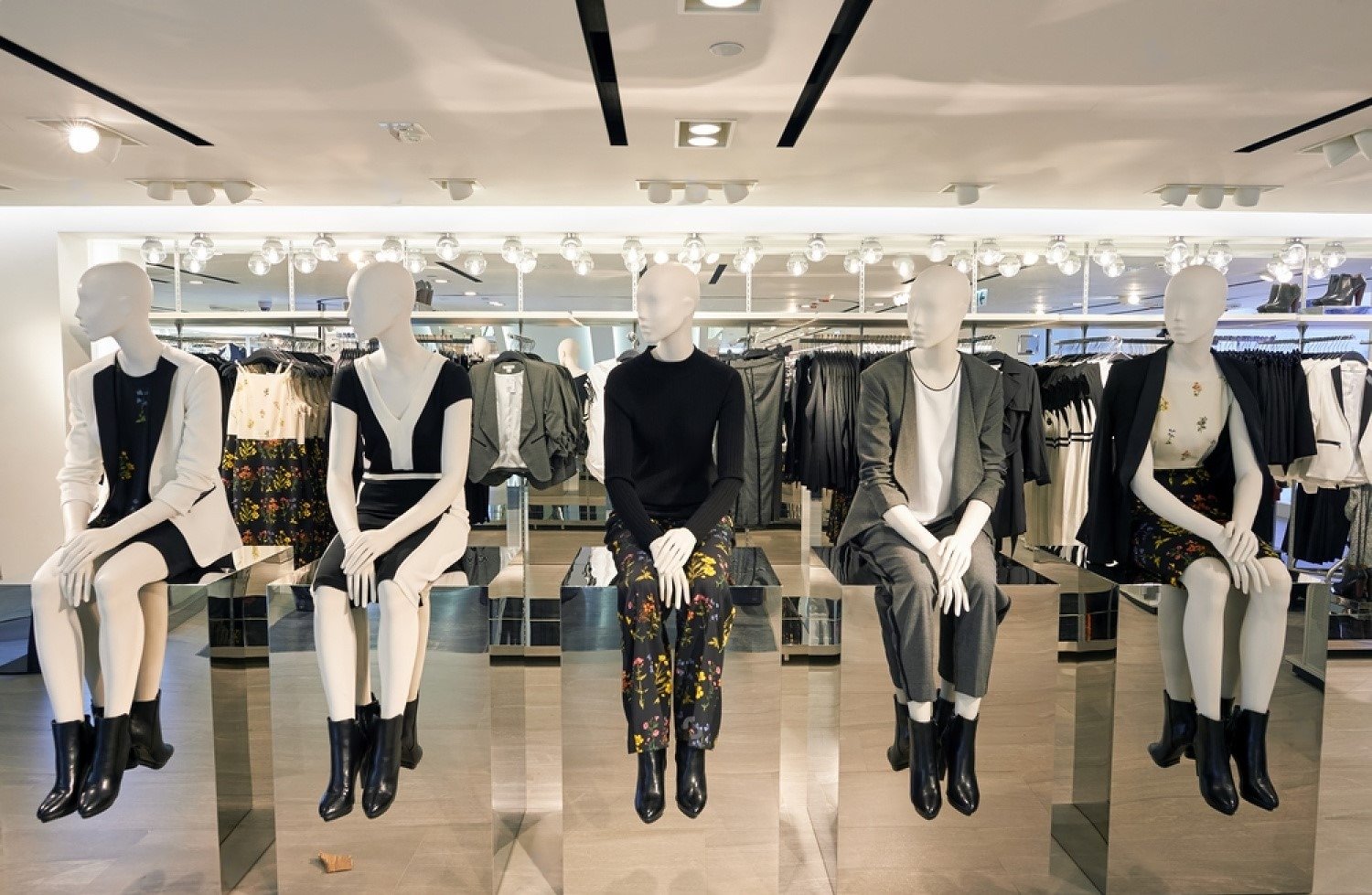
Budget fast fashion is no longer just a metro-city phenomenon. Across Tier-2 and Tier-3 cities, affordable, trend-driven clothing is reshaping wardrobes, shopping habits, and even aspirations.
From college students in Indore to young professionals in Surat and Guwahati, style is becoming more accessible and more disposable than ever before.
👗 The Rise of Affordable Trend Culture
Brands like Zudio, Reliance Trends, and Max Fashion are aggressively expanding into smaller cities. Their strategy is simple:
- Trendy designs inspired by global fashion
- Price points often starting below ₹499
- Frequent inventory refresh cycles
- Compact stores in high-footfall markets
At the same time, online platforms such as Meesho and Myntra are penetrating deeper into non-metro pin codes, offering discounts, influencer-led marketing, and easy returns.
📱 Social Media Is the New Fashion Magazine
Instagram reels, YouTube hauls, and regional influencers are driving demand in towns that previously had limited exposure to global trends.
Young consumers now:
- Follow celebrity looks
- Replicate viral outfits
- Shop based on “aesthetic” categories (Y2K, co-ord sets, streetwear)
The result? Fashion cycles that once took months to reach small towns now spread within days.
💸 Why It Works: The Income Factor
Small-town India has seen rising disposable incomes, improved digital connectivity, and increasing female workforce participation.
Even modest monthly income growth can significantly impact spending power over time, thanks to compound effects.

As incomes grow steadily (even at small rates), purchasing power expands, enabling more frequent discretionary spending including fashion.
🏬 Offline + Online Hybrid Boom
Unlike metros where e-commerce dominates, small-town shoppers prefer a hybrid model:
- Touch-and-feel shopping at local malls
- Price comparison online
- Festive discount buying
- Cash-on-delivery options
Retailers are opening stores in smaller commercial hubs while simultaneously boosting regional language marketing online.
🎉 Weddings, Festivals & Social Visibility
In smaller cities, social gatherings remain central to community life. Weddings, Navratri, Eid, Diwali, and local festivals drive repeat wardrobe purchases.
There is also rising social visibility:
- More photography at events
- Social media posting culture
- Desire to avoid outfit repetition
Affordable fashion makes it possible to refresh looks frequently without luxury budgets.
🚚 Faster Supply Chains
Improved logistics networks now allow brands to restock smaller cities almost as quickly as metros.
Short production cycles mean:
- Quicker trend adoption
- Lower inventory risks
- Limited-edition drops that create urgency
⚖️ The Flip Side: Sustainability Concerns
The rapid rise of budget fashion also raises questions:
- Textile waste increase
- Lower garment durability
- Environmental impact of mass production
Sustainability awareness is growing, but price sensitivity still dominates purchasing decisions in small-town markets.
📊 The Bigger Picture
Small-town India is no longer “lagging” in fashion adoption it is becoming a major growth engine for the industry.
Retail analysts predict that the next wave of fashion expansion will come not from Delhi or Mumbai, but from cities like:
- Lucknow
- Coimbatore
- Bhubaneswar
- Rajkot
Affordable fast fashion is not just changing wardrobes it’s reshaping retail economics and consumer identity across India.
📌 Bottom Line
Budget fast fashion’s rise in small-town India is powered by:
- Digital influence
- Rising incomes
- Aggressive retail expansion
- Social aspiration
What began as a metro trend has become a nationwide shift and brands are racing to capture this new consumer base.
Would you like this rewritten as a LinkedIn-style thought leadership post or a news-style report?