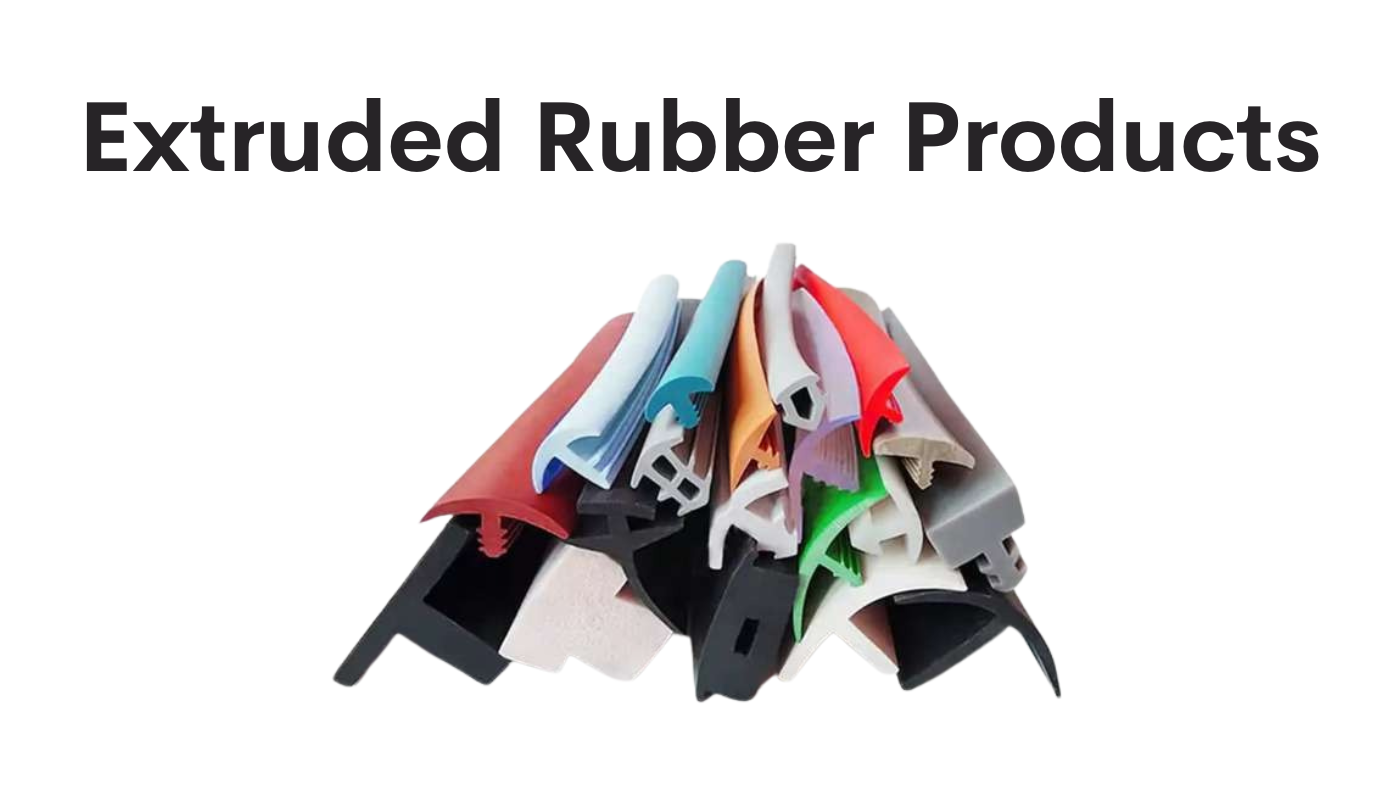
Rubber is one of the most versatile and widely used materials across various industries. Among the many forms rubber takes, extruded rubber products stand out for their flexibility, adaptability, and wide range of applications. From sealing solutions in automobiles to durable tubing in medical equipment, extruded rubber plays a vital role in the modern world.
If you’re just starting to explore this subject, this guide aims to simplify the concept of extruded rubber products, how they’re made, their types, and most importantly, where and why they’re used.
What Are Extruded Rubber Products?
Extruded rubber products are rubber components created using a process known as extrusion. In this process, raw rubber is forced through a die, a specialized tool that shapes the material into a specific cross-sectional profile. The result is a long, continuous product with a consistent shape throughout its length.
Think of it as squeezing toothpaste out of a tube. The toothpaste takes the shape of the nozzle opening, much like how rubber takes the shape of the die during extrusion.
Once the rubber exits the die, it is typically vulcanized, a curing process involving heat and chemicals that strengthens the material and makes it elastic and durable.
Common Materials Used in Extruded Rubber
Rubber extrusion can be done with a wide range of rubber compounds, depending on the intended use. Some of the most common materials include:
- EPDM (Ethylene Propylene Diene Monomer): Excellent for outdoor use due to its weather, ozone, and UV resistance.
- Silicone Rubber: Preferred for high-temperature applications and food-grade uses.
- Neoprene: Offers good resistance to oil, weathering, and flame.
- Nitrile (Buna-N): Best suited for oil and fuel exposure.
- Natural Rubber: Provides excellent tensile strength and flexibility but is not ideal for extreme weather or chemicals.
Each of these materials brings its own unique set of advantages, making it essential to choose the right one for your application.
The Rubber Extrusion Process, Step by Step
Understanding how extruded rubber is made helps in appreciating its value. Here’s a simplified breakdown of the process:
- Material Selection & Preparation: Based on the application, the appropriate rubber compound is selected and prepared.
- Feeding: The uncured rubber is fed into an extruder, a machine with a heated barrel and a rotating screw.
- Extrusion: The rotating screw pushes the rubber through a die at a controlled speed and pressure.
- Curing or Vulcanization: The extruded rubber is then exposed to heat, either in an oven or using salt baths, to cure it. This step enhances elasticity, durability, and resilience.
- Cooling & Finishing: The product is cooled, cut to required lengths, and may undergo additional finishing processes like trimming or surface treatments.
This streamlined process is what makes rubber extrusion cost-effective and suitable for high-volume production.
Types of Extruded Rubber Products
Extruded rubber products come in various shapes and forms. Some of the most widely used types include:
- Rubber Tubing: Commonly used in laboratories, automotive applications, and fluid transfer systems.
- Rubber Seals and Gaskets: Used to create airtight or watertight seals in windows, doors, and machinery.
- Rubber Profiles: Custom profiles for specific applications, including bumpers, vibration dampeners, and decorative trims.
- Weatherstripping: Used in residential and automotive sectors to prevent air, water, and dust intrusion.
- Door and Window Channels: Found in vehicles and buildings to ensure proper sealing and insulation.
Applications Across Industries
What makes extruded rubber products incredibly valuable is their widespread application across multiple industries. Let’s look at some key sectors where they play an essential role:
1. Automotive Industry
Rubber extrusion is indispensable in the automotive sector. From weather seals around car doors and trunks to tubing for fuel and brake lines, extruded rubber ensures vehicles remain efficient, quiet, and weather-resistant. Custom rubber profiles also help minimize vibrations and noise, contributing to better ride comfort.
2. Construction and Infrastructure
In buildings and homes, extruded rubber seals are used around windows and doors to improve energy efficiency and sound insulation. Expansion joints in bridges and pavements often include rubber components to accommodate thermal expansion and ground movement.
3. Electrical and Electronics
Rubber grommets, tubing, and protective sleeves are used to insulate and protect wiring from moisture, dust, and abrasion. Silicone rubber, in particular, is valued for its dielectric strength and thermal stability in electrical applications.
4. Medical and Pharmaceutical
Extruded silicone tubing is used extensively in the medical field due to its biocompatibility and resistance to high temperatures and chemicals. Applications include fluid transfer, catheters, and respiratory equipment.
5. Aerospace and Aviation
In this high-stakes industry, extruded rubber is used in sealing systems, insulation, and tubing. It must meet rigorous standards for temperature resistance, durability, and flexibility.
6. Food and Beverage
Silicone rubber, being non-toxic and odorless, is used in food processing lines for seals, tubing, and gaskets. It withstands high temperatures and repeated sterilization, making it ideal for hygienic environments.
Advantages of Extruded Rubber Products
Why do so many industries rely on extruded rubber components? Here are some of the key benefits:
- Customizability: Extruded rubber can be tailored to meet unique shape and performance requirements.
- Durability: Once cured, rubber offers high resistance to wear, heat, weather, and chemicals.
- Efficiency: The extrusion process supports continuous production, reducing waste and lowering costs.
- Flexibility: Rubber maintains its integrity even when bent, stretched, or compressed, making it ideal for dynamic environments.
Challenges and Considerations
Despite their many benefits, extruded rubber products are not without limitations. Some common challenges include:
- Shrinkage: Rubber tends to shrink slightly after curing, which must be accounted for in design.
- Die Costs: Custom dies for complex profiles can be expensive.
- Material Sensitivity: Some rubber compounds are sensitive to UV, ozone, or oils and must be carefully selected.
Understanding these factors helps ensure the right product is chosen for the right application.
Final Thoughts: Why Understanding Extruded Rubber Matters
For beginners venturing into manufacturing, product development, or procurement, understanding extruded rubber products is a valuable asset. It allows you to make informed decisions, reduce production inefficiencies, and ultimately improve product performance.
Rubber extrusion is not just a technical process, it’s a craft that combines material science with precision engineering. With the right knowledge and partners, you can leverage this process to enhance durability, reduce maintenance, and ensure high-quality performance in your products.
Whether you’re designing a new piece of equipment or sourcing seals for an existing machine, knowing how and where extruded rubber fits in can give you an edge, both technically and commercially.
SantopSeal uses a Thermoplastic rubber Santoprene Tpe Tubing material to create custom profile extrusions of various shape and size of Seals & Gaskets as a solution to all your sealing needs. Using Thermoplastic elastomer Santoprene™, we supply major industries with a wide variety of inexpensive and customizable options. We offer various Epdm Rubber Tubing Santoprene tubing including Food grade, Medical grade, and general grade tubing, Extruded Seals and Gaskets, Extruded EPDM Sponge Rubber Seal, Standard & Custom O-rings, and Digital knife cutting services. Contact us today via web, email, or phone and someone from our engineering or support team will be happy to answer any of your questions.