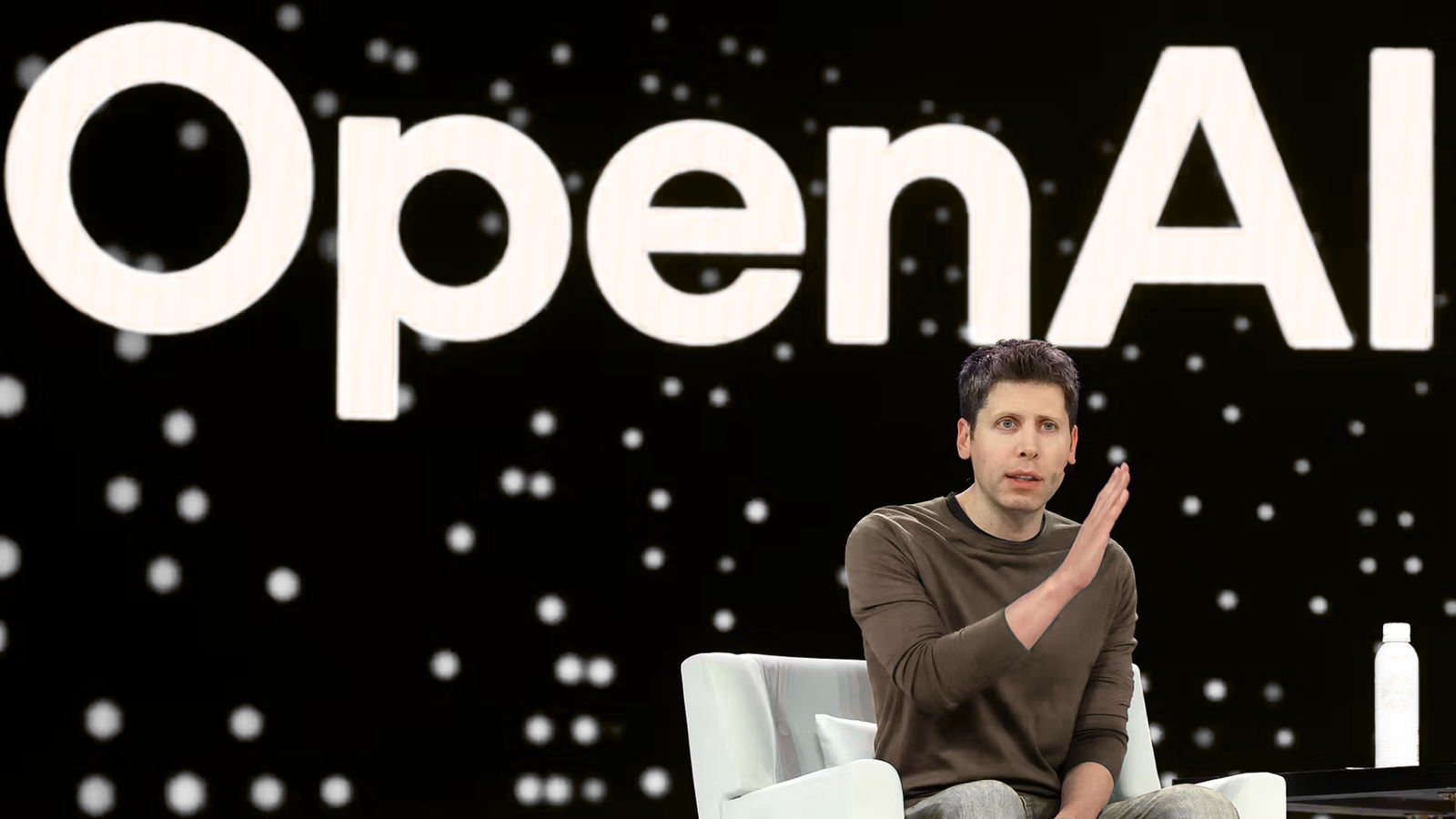
ChatGPT is on pace to hit 700 million weekly active users, up from 500 million in March, and four times more than where it stood a year ago.
The update came directly from Nick Turley, VP and head of the ChatGPT app, and it puts a spotlight on how fast OpenAI’s flagship product is scaling. While most apps would kill for numbers like these over a decade, ChatGPT is doing it in less than two years.
How Does This Compare to Traditional Search Engines?
It’s not an apples-to-apples comparison, but let’s try.
Google doesn’t report weekly active users. Instead, it shares massive totals, like daily search volume or monthly usage. Back in 2004, six years after it launched, Google was handling over 200 million searches per day. That number hit 4 billion daily by 2009.
Microsoft, on the other hand, revealed in 2023 that Bing Chat, its conversational AI, crossed 100 million daily active users. But that’s for the new chat interface, not Bing Search as a whole.
So, while ChatGPT’s 700 million weekly users may not directly compete with Google’s billions of searches per day, it’s still operating at a consumer product scale, and it’s growing faster than almost anything else on the internet right now.
Why ChatGPT’s Growth Is Different
Here’s the thing: ChatGPT didn’t grow in a vacuum. It launched into a mature internet ecosystem, where people are already overloaded with platforms, apps, and tools.
Traditional search engines had the luxury of growing during the internet’s early years, when users were still figuring things out. In contrast, ChatGPT exploded into a market that’s already saturated, and still managed to stand out.
Also worth noting: OpenAI isn’t sharing daily active user (DAU) stats. Instead, they’re reporting weekly active users (WAU). That’s often a more reliable metric. Daily numbers can be spiky, one viral moment can inflate them. Weekly stats show sustained engagement across different types of users.
The Bigger Picture: AI Is Eating Search
This isn’t just about OpenAI. It’s about how people search and find information today.
A Wall Street Journal report, citing data from intelligence firm Datos, says that AI tools like ChatGPT and Perplexity now account for 5.6% of all desktop browser searches in the U.S. That’s more than double from last year.
Zoom in on early adopters, those who started using LLMs in 2024, and things get even more interesting: 40% of their browser activity is now directed at AI search tools. In that same period, traditional search engines saw their share of traffic drop from 76% to 61%.
That’s not just a trend. That’s a behavioural shift.
What This Means for Everyone Else
With usage nearing 700 million weeklies, ChatGPT is no longer just a tech curiosity, it’s a mainstream platform.
If you’re a marketer, publisher, or content strategist, this should be a wake-up call. People aren’t just googling anymore, they’re prompting. And that shift affects how and where your brand shows up.
Optimizing for AI tools like ChatGPT isn’t optional anymore. It’s the next frontier of visibility, just like SEO was 15 years ago.