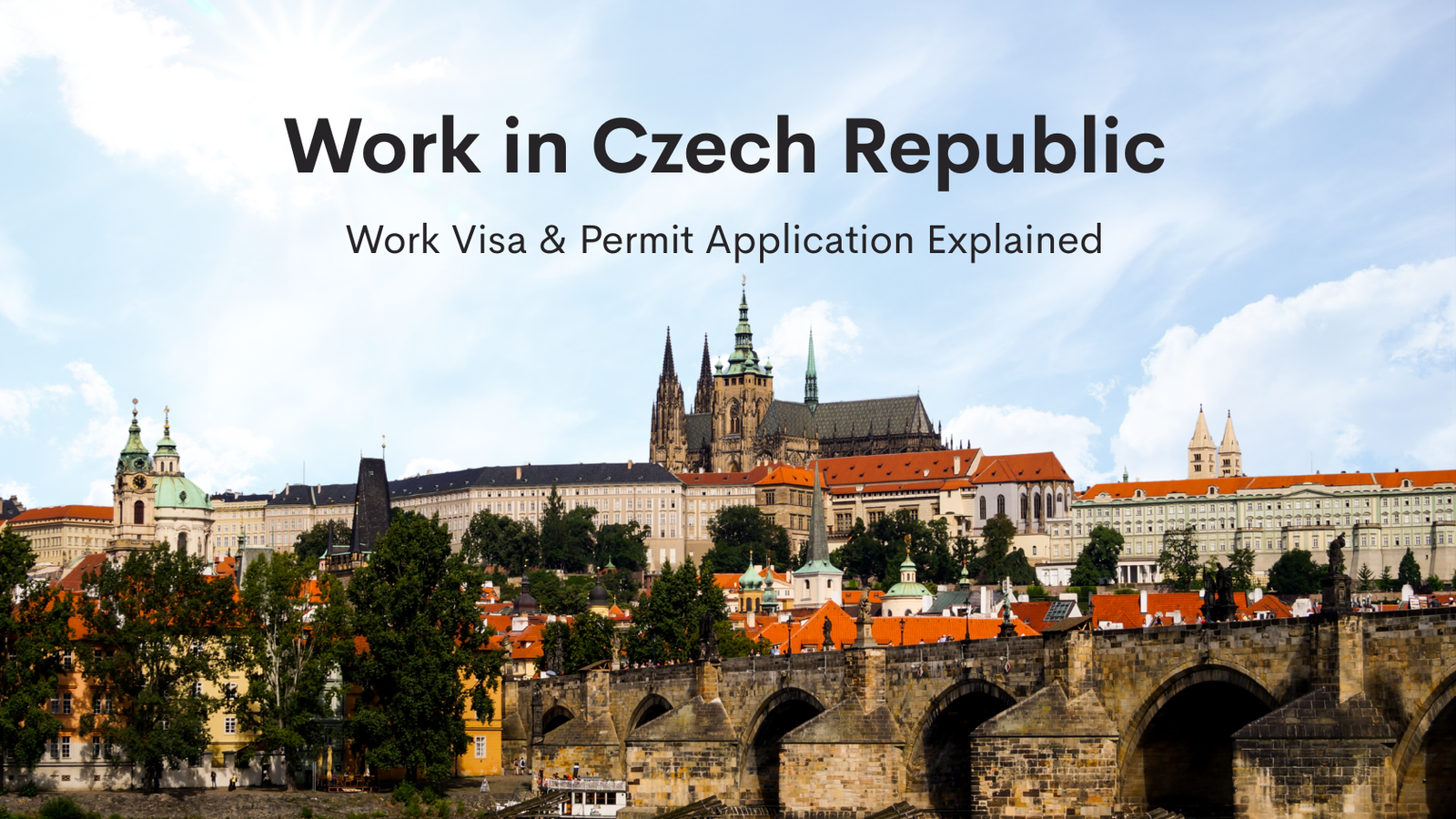
The Czech Republic has become an increasingly popular destination for foreign professionals looking to work and build a life in Europe. With a stable economy, high-quality living standards, and a growing job market in industries like IT, manufacturing, healthcare, and engineering, the country offers great opportunities for skilled workers. However, before you can begin Czech Work Permit, it’s important to understand the visa and work permit process.
In this guide, we’ll walk you through everything you need to know, from the types of visas and permits available to the step-by-step process of applying, along with some personal insight to help make your journey smoother.
Why Work in the Czech Republic?
Choosing a country to work in isn’t just about job opportunities. It’s about quality of life, culture, language, and whether you can really picture yourself there. The Czech Republic offers a compelling package:
- Central European location: Ideal for traveling across Europe.
- Affordable cost of living compared to Western European countries.
- A rich cultural heritage and vibrant city life in Prague, Brno, and beyond.
- Growing demand for international talent in sectors like IT, engineering, healthcare, education, and tourism.
Foreigners often find the work culture professional yet balanced, with reasonable working hours and an emphasis on work-life harmony.
Who Needs a Work Visa or Permit?
If you’re from the EU/EEA or Switzerland, you’re in luck, you don’t need a visa or work permit to live and work in the Czech Republic. You do, however, need to register with the local authorities after 30 days of stay.
If you’re from a non-EU country, you’ll most likely need a work visa and/or permit before you can legally work in the Czech Republic.
Types of Czech Work Permits and Visas
The Czech Republic offers several visa types depending on your profession, length of stay, and the kind of work you plan to do. Here are the main categories:
1. Employee Card
This is the most common work permit for non-EU nationals and is valid for both residence and employment.
- Who it’s for: Non-EU citizens with a job offer from a Czech employer.
- Validity: Up to 2 years (can be extended).
- Requirements: A job offer from an employer registered in the central job vacancy database for foreign workers.
2. Blue Card
A Blue Card is a type of long-term residence permit for highly skilled workers from non-EU countries.
- Who it’s for: Non-EU nationals with higher education and a job offer with a salary at least 1.5 times the national average.
- Validity: Up to 2 years (renewable).
- Additional Perks: Faster access to permanent residency and easier family reunification.
3. Intra-Company Transfer Card
For those transferred to a Czech branch of an international company.
- Who it’s for: Managers, specialists, or trainees being transferred within the same company.
- Validity: 1 year (trainees) to 3 years (managers/specialists).
4. Seasonal Work Visa
This is a short-term work visa for up to 6 months, often used in agriculture, tourism, or construction.
- Who it’s for: Non-EU workers doing temporary jobs.
- Validity: Up to 6 months.
Step-by-Step Guide to Applying for a Work Visa & Permit
Let’s break down the process for obtaining an Employee Card, as it’s the most common:
Step 1: Get a Job Offer
Before applying for a visa, you must secure a job offer. Employers in the Czech Republic must first advertise the position for a set period to Czech and EU citizens. Only if the position remains vacant can it be offered to non-EU applicants.
Step 2: Gather Necessary Documents
You’ll need:
- Valid passport
- Passport-sized photos
- Proof of accommodation in the Czech Republic
- Employment contract or a written promise of employment
- Proof of professional qualifications (translated and verified)
- Criminal record certificate from your home country
- Medical insurance (until you’re covered under public insurance)
It’s crucial to ensure all documents are officially translated into Czech and apostilled if required.
Step 3: Submit Application
Submit your application at the Czech Embassy or Consulate in your home country. In some cases, it can also be done from within the Czech Republic if you are already on a long-term visa.
Step 4: Wait for Approval
The processing time for an Employee Card can take up to 60–90 days, depending on your country and situation. Authorities may request additional documentation during this period.
Step 5: Collect Your Visa and Travel
Once approved, you’ll receive a long-term visa for the purpose of collecting your Employee Card. After arriving in the Czech Republic, you must visit the Ministry of the Interior to provide biometrics and collect your card.
Family Reunification and Spouses
If you’re planning to bring your family, the Czech Republic does allow family reunification. Spouses and children can apply for residence permits after you have legal residence status. However, in most cases, your family members won’t be able to work unless they obtain their own permits.
Tips from People Who’ve Done It
While the official steps might seem straightforward, the experience can vary. Here are some tips from individuals who’ve gone through the process:
- Start early: Document translation and apostille processes can take longer than expected.
- Double-check translations: A small mistake in a translated qualification document can delay your application.
- Build a support system: Join expat forums or social media groups. People often share real-time experiences that can help you avoid pitfalls.
- Be patient and persistent: Bureaucracy can be slow and frustrating. Keep copies of all your documents and maintain a polite but firm follow-up routine with embassies and immigration offices.
After You Arrive: What’s Next?
Once you arrive in the Czech Republic and start working, you will also need to:
- Register your address with the Foreign Police within 3 days.
- Apply for a tax identification number (TIN) if not provided automatically.
- Open a local bank account for salary deposits.
- Enroll in the public health insurance system if your job includes health coverage.
Most employers will assist you with some of these steps, but it’s good to be informed and proactive.
Common Challenges and How to Overcome Them
- Language Barrier: While English is widely spoken in international companies, local authorities may only speak Czech. Bringing a translator or local friend can make a big difference.
- Housing: Finding accommodation before arrival can be tricky. Many expats choose temporary housing for the first month while they search.
- Document Delays: It’s common for paperwork to be delayed. Keeping digital and printed copies of everything helps when following up.
Final Thoughts
Working in the Czech Republic is a rewarding experience if you plan properly. From the beauty of Prague’s cobbled streets to the friendly work environment and rich cultural life, the country offers more than just a job, it offers a fresh start. Yes, the visa process can be bureaucratic and at times frustrating, but thousands of foreigners navigate it successfully every year.
Taking the time to understand the system, getting your paperwork right, and remaining patient can go a long way in ensuring your move is smooth. Whether you’re an IT expert, a healthcare professional, or a skilled worker in another field, the Czech Republic could be your next great opportunity.
At Avian Global, we believe in turning aspirations into reality. Whether it’s settling families in their dream destinations, helping students unlock global education opportunities, or guiding professionals toward rewarding careers abroad, we make every step count. Rooted in trust, transparency, and unparalleled expertise, we pride ourselves on redefining the immigration process with care and precision.