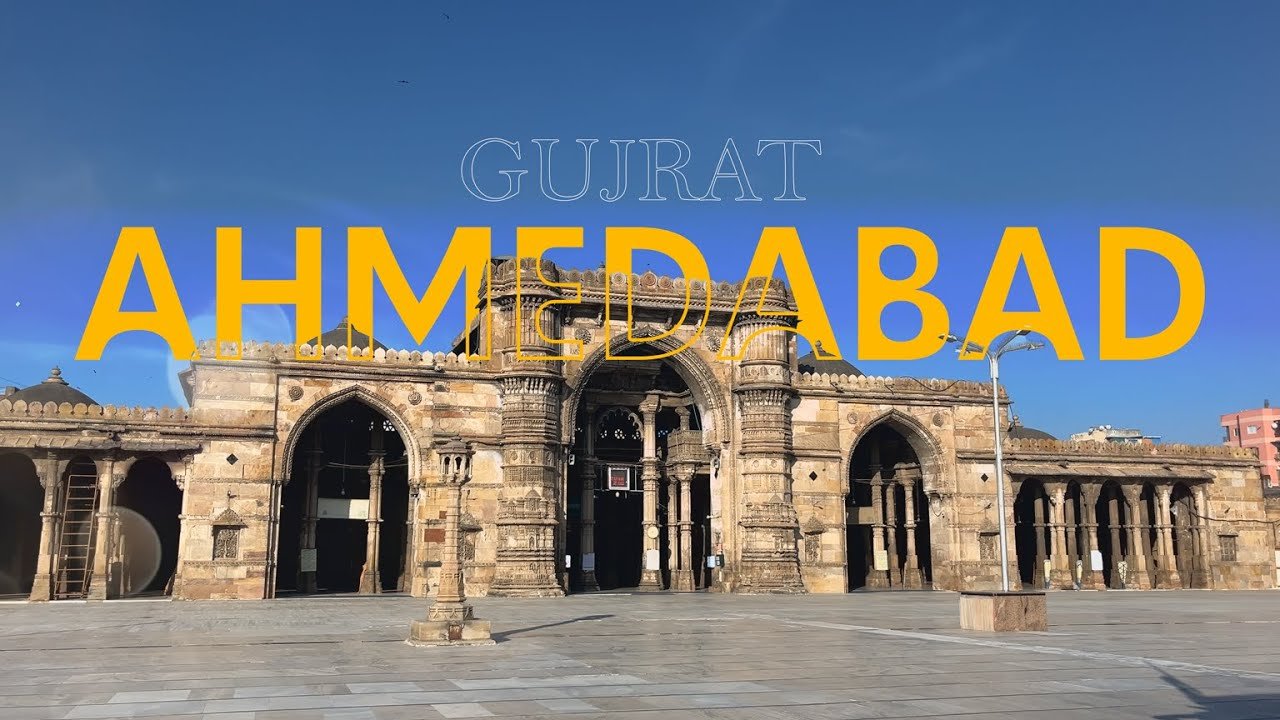
Ahmedabad’s heritage conservation efforts have received a major boost, with 138 heritage properties benefiting from the city’s Transferable Development Rights (TDR) mechanism. The policy, designed to support owners of heritage structures who face restrictions on redevelopment, has emerged as a practical tool for safeguarding the architectural legacy of the city.
Under the TDR model, property owners are compensated by receiving development rights that can be sold or utilized elsewhere, allowing them to generate funds necessary for restoration and upkeep. Officials from the Ahmedabad Municipal Corporation (AMC) noted that the TDR incentive has encouraged more owners to preserve old buildings rather than opt for demolition or unsafe modifications.
The supported properties include traditional pol houses, havelis, religious structures, and culturally significant landmarks spread across the walled city and adjoining neighbourhoods. Conservation architects say this financial mechanism has helped maintain structural stability, restore intricate wooden facades, and preserve heritage streetscapes that define Ahmedabad’s identity.
AMC is now reviewing additional applications from property owners seeking similar assistance. Urban planners believe wider adoption of TDR can ensure long-term preservation of the city’s historic core, especially as Ahmedabad continues to balance rapid urban growth with heritage protection.
If you want a more formal, shorter, or more headline-driven version, I can refine it.