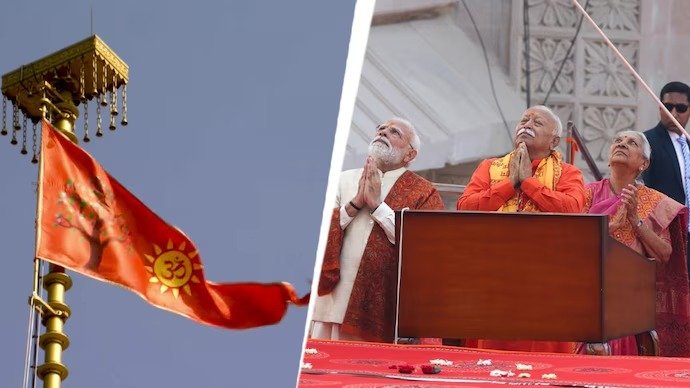
India and Pakistan often clash on political narratives, but the latest exchange over Ayodhya added another layer to the long-standing diplomatic tension. When Pakistan issued remarks criticizing the flag-raising ceremony at the Ram Temple in Ayodhya, India didn’t just respond, it rejected the comments with clear contempt.
Let’s break down what happened, why it matters, and what this episode signifies.
What Triggered the Exchange?
A ceremonial flag raising at the newly inaugurated Ram Temple in Ayodhya drew massive national attention. The event symbolized cultural pride for many Indians and marked a moment of historical significance.
Pakistan responded with a statement commenting on the event, attempting to frame it as a political and ideological concern. This move was seen in New Delhi as unnecessary interference in India’s internal affairs.
India’s Strong Reaction
The Ministry of External Affairs made its position clear. India rejected Pakistan’s remarks outright, calling them baseless, unwarranted, and rooted in a habitual pattern of provocation. The response signaled two things:
- India will not entertain commentary on its domestic cultural or religious activities.
- Pakistan’s attempt to politicize an internal Indian ceremony will not be tolerated.
The wording of India’s reaction showed confidence and clarity, making it evident that issues tied to India’s cultural identity are not open to external judgment.
Why India Called the Remarks ‘Contemptible’
Here’s the thing: India believes Pakistan’s comments weren’t rooted in concern but in its familiar strategy of externalizing narratives. By reacting with contempt, India sent a message that:
- Pakistan’s statements lacked credibility.
- Ayodhya’s developments fall squarely under India’s sovereign and cultural domain.
- Such remarks are a distraction from Pakistan’s own internal challenges.
This tone wasn’t just diplomatic language, it was a strategic pushback.
Broader Context: A Long Pattern of Friction
This isn’t the first time Pakistan has commented on India’s internal matters, especially those involving religion or national symbolism. India often views such comments as attempts to score political points or fuel unnecessary tension.
In contrast, India’s stance has been consistent: keep domestic cultural issues out of geopolitical narratives.
What This Means Going Forward
The Ayodhya Temple is more than just a structure; it’s tied to centuries of cultural and historical sentiment. Any external commentary, especially from Pakistan, is likely to spark immediate pushback.
India’s firm dismissal shows a stronger diplomatic posture, especially on issues tied to identity, heritage, and sovereignty.
What this really means is that both countries will continue to clash on political rhetoric, but India’s message is clear: cultural decisions are not up for international debate, least of all from Pakistan.