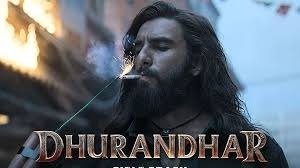
The controversy surrounding Ranveer Singh’s upcoming film Dhurandhar has intensified, with the parents of an Ashoka Chakra awardee approaching the court alleging that the movie unlawfully exploits the life story of their martyred son. According to the petition, the family claims the filmmakers have used key personal details, character traits, and defining moments from the soldier’s life without seeking permission or offering acknowledgment.
The parents say they were shocked when the trailer released online, as several scenes appeared to mirror their son’s real-life valour and sacrifice. They argue that the portrayal, while dramatized for cinematic impact, “strikingly resembles” the events surrounding their son’s final mission. The family insists that the legacy of a national hero cannot be repurposed for commercial gain without consent or due sensitivity.
The petition further alleges that the film’s marketing narrative, promoting the protagonist as a fearless lone-wolf commando who died saving civilians, closely aligns with their son’s widely recognised act of bravery. The parents argue that this amounts to appropriation of a martyr’s identity, hurting their sentiments and misrepresenting the emotional truth behind their son’s sacrifice.
The film’s production house has not yet issued a detailed statement but has previously maintained that Dhurandhar is a fictional story inspired by multiple real-life events, not a biopic of any single individual. Legal experts suggest the case could spark an important debate around creative freedom, personality rights, and the ethical responsibilities of filmmakers when depicting sensitive national stories.
As the court prepares to review the petition, the controversy has triggered a broader public discussion. Many citizens urge filmmakers to exercise caution when drawing inspiration from the Armed Forces, while others defend artistic liberty in storytelling. The outcome of the case is likely to set a notable precedent for future films inspired by real heroes.