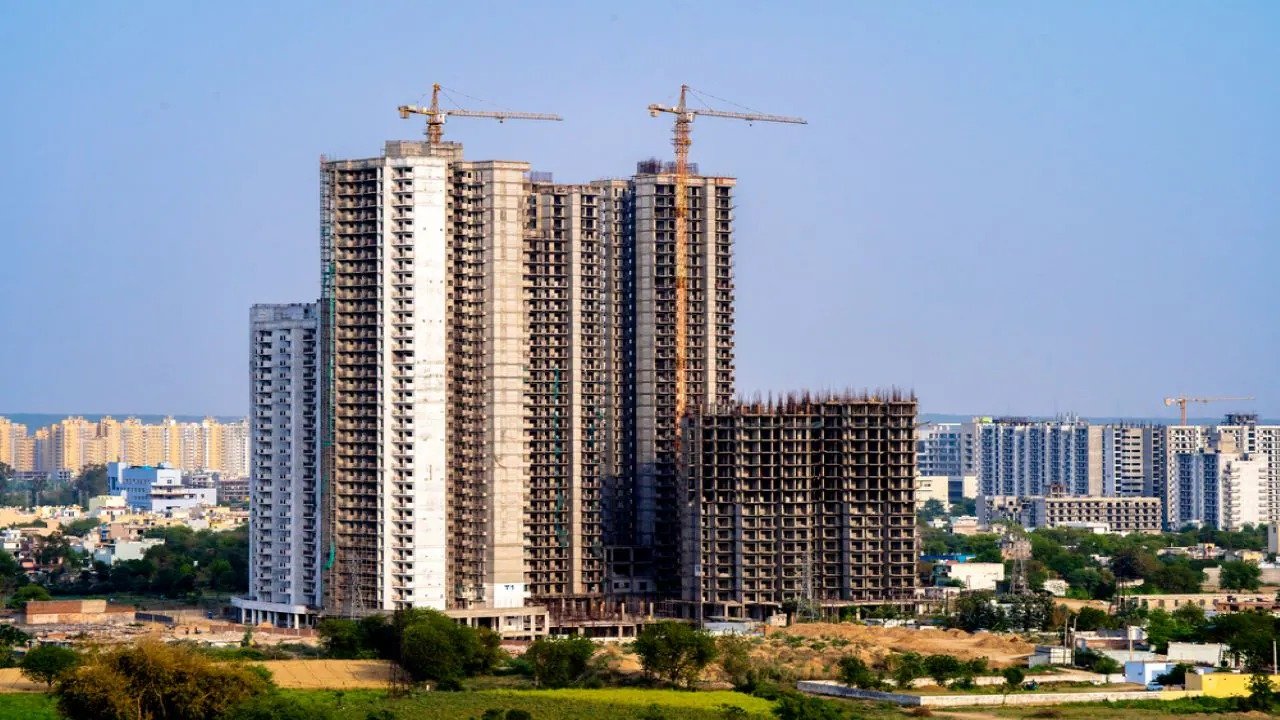
As the Union Budget 2026 approaches, India’s real estate sector has stepped up its demands, calling on the government to address long-standing structural challenges that continue to slow growth despite strong housing demand and increased urbanisation. Industry leaders, developers, and policy experts are urging the Centre to grant real estate full “industry status,” streamline approval processes, and accelerate land record digitisation to unlock investment and improve ease of doing business.
The demand for industry status has been a recurring theme for the sector, which contributes nearly 13–15% to India’s GDP and employs millions across construction, manufacturing, and allied industries. Granting this status, developers argue, would improve access to institutional finance at lower costs, enable longer-tenure loans, and bring greater transparency and formalisation. Currently, many real estate players rely heavily on non-banking financial companies and private lenders, often at higher interest rates, increasing project costs and home prices.
Another key ask ahead of Budget 2026 is faster and time-bound approvals. Developers point out that project delays are often caused not by construction challenges but by prolonged clearance processes involving multiple authorities at the central, state, and local levels. Environmental clearances, building plan approvals, and utility permissions can take years, locking up capital and delaying housing supply. The industry has called for a single-window clearance system with strict timelines, arguing that faster approvals would directly translate into quicker project delivery and lower costs for buyers.
Land digitisation has emerged as a critical reform area, especially as the government pushes for smart cities, infrastructure expansion, and large-scale urban redevelopment. Fragmented land records, unclear titles, and disputes remain major hurdles for developers and investors. Industry bodies are urging the government to accelerate the Digital India Land Records Modernisation Programme (DILRMP), ensure real-time updating of records, and integrate land databases with urban planning and registration systems. Clear and transparent land titles, they argue, would reduce litigation, attract foreign investment, and speed up project execution.
Taxation and affordability are also central to the sector’s pre-Budget wishlist. Developers have sought rationalisation of GST rates on under-construction properties and input tax credit benefits to reduce the overall tax burden. There are also renewed calls to increase tax deduction limits on home loan interest and principal repayment, especially for first-time buyers, to stimulate demand in the mid-income and affordable housing segments.
Affordable housing, which has been a major policy focus in recent years, continues to need support amid rising land and construction costs. The sector is seeking an extension and expansion of incentives for affordable housing projects, including infrastructure status benefits and interest subsidies for buyers. With urban migration accelerating, stakeholders warn that without policy support, the gap between housing demand and supply could widen further.
Experts believe Budget 2026 presents an opportunity for the government to align housing, infrastructure, and urban development goals. With large investments planned in transport corridors, industrial zones, and new urban centres, real estate reforms could act as a multiplier for economic growth. Industry leaders remain hopeful that the upcoming budget will address these concerns, setting the stage for a more efficient, transparent, and investment-friendly real estate ecosystem in India.