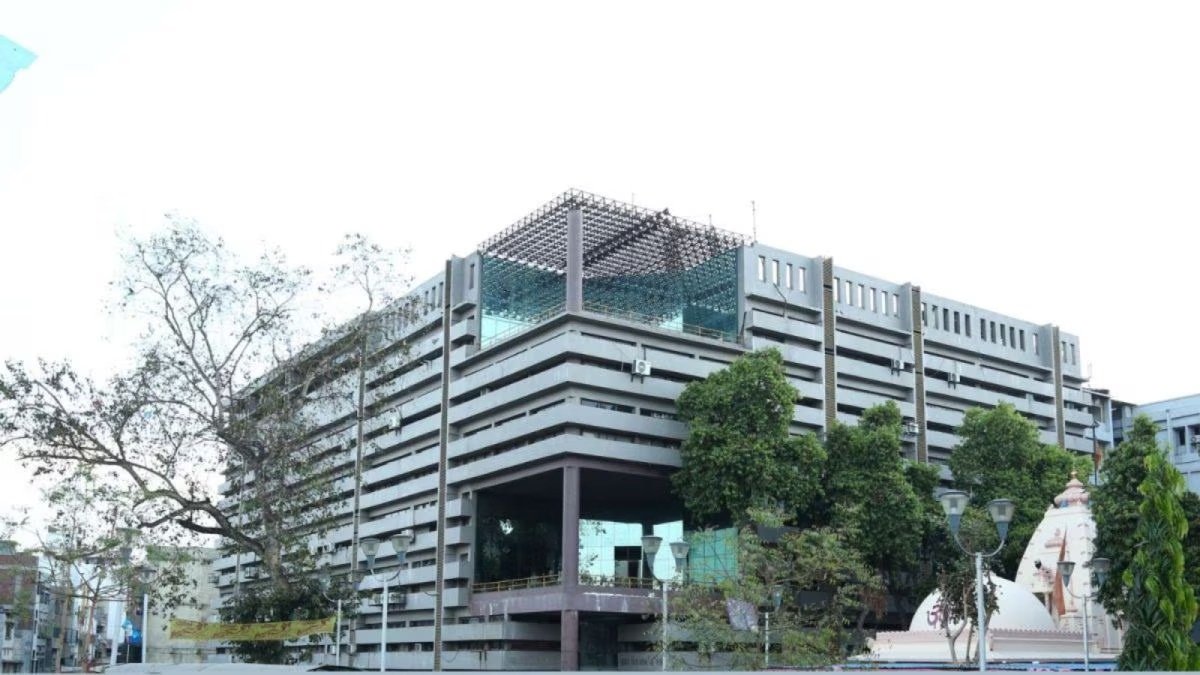
In a significant administrative reversal, the Ahmedabad Municipal Corporation (AMC) has rolled back its proposed ₹32 crore modern slaughterhouse project after strong objections were raised by a local BJP MLA, triggering a fresh political and civic debate over urban planning, public sentiment, and governance priorities.
The decision was taken after the Ahmedabad municipal commissioner reviewed the proposal in the wake of mounting resistance from elected representatives, who argued that the project was both socially sensitive and poorly timed. The slaughterhouse was planned as a state-of-the-art facility aimed at replacing smaller, unregulated units and improving hygiene standards in the city’s meat processing sector.
According to sources in the civic administration, the project had cleared initial technical evaluations and was part of a broader AMC plan to modernise civic infrastructure. However, opposition from the BJP MLA who represents the constituency where the facility was proposed prompted the civic chief to put the plan on hold, effectively rolling it back.
The MLA reportedly objected on multiple grounds, including public sentiment, cultural sensitivity, and potential law-and-order concerns. He also questioned whether such a large expenditure was justified when the city faces pressing issues such as water supply, road infrastructure, and drainage upgrades.
“The location and timing of this project are inappropriate,” the MLA said, according to people familiar with the discussions. “Public opinion must be respected, and development should align with the sentiments of residents.”
The rollback has sparked mixed reactions. Supporters of the decision argue that civic projects must be in sync with social realities and political consensus. They contend that pushing ahead with a controversial facility could have led to protests and prolonged disputes, delaying other development works in the area.
However, critics have raised concerns about political interference in administrative decision-making. Urban planners and civic activists point out that the slaughterhouse proposal was designed to address long-standing issues related to illegal slaughtering, poor sanitation, and public health risks. Scrapping the project, they warn, may perpetuate unregulated practices that pose environmental and health hazards.
“This was not just about meat processing it was about hygiene, waste management, and regulation,” said a civic expert. “Rolling back such projects without offering an alternative solution is short-sighted.”
Within the AMC, officials say the proposal may be reworked or relocated rather than permanently abandoned. One senior official indicated that the administration could explore alternative sites or scale down the project after wider consultations with stakeholders, including elected representatives, community leaders, and health authorities.
The episode has also highlighted the delicate balance municipal commissioners must maintain between administrative autonomy and political accountability. While commissioners are expected to take technocratic decisions, major infrastructure projects often require political buy-in to move forward smoothly.
For Ahmedabad, a rapidly growing urban centre, the controversy underscores broader challenges in city governance where infrastructure needs, cultural considerations, and political dynamics frequently intersect.
As of now, the ₹32 crore allocation earmarked for the slaughterhouse has been frozen, and the AMC is expected to revisit its priorities in the upcoming budget review. Whether the project will return in a revised form or be replaced by alternative measures remains uncertain.
What is clear, however, is that the rollback has reopened a wider conversation on how cities plan sensitive infrastructure projects and who ultimately gets to decide their fate.