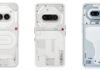
Apple is reportedly exploring a new category of AI-powered wearable hardware that could reshape how users interact with artificial intelligence outside of traditional screen-based devices. According to multiple industry reports, the device is envisioned as a small, AirTag-sized “AI pin” made of aluminium and glass, designed to clip on clothing or be worn hands-free and powered by contextual AI capabilities.
What the AI Wearable Might Be
The emerging concept still in early development and not yet confirmed by Apple is described as a thin, flat, circular disc similar in footprint to an Apple AirTag, but slightly thicker. Key hardware elements reportedly include:
- Dual cameras (standard and wide-angle) capable of capturing photos and video
- Multiple microphones to capture ambient audio
- A built-in speaker for audio feedback and responses
- Physical control button and wireless charging capabilities
- AI designed to understand context from the wearer’s surroundings and deliver actionable insights or assistive responses
All of this points to a device that could augment Siri and Apple Intelligence with a more ambient, always-on interface, potentially extending generative AI beyond phones and watches.
Timeline and Strategic Aim
Insiders suggest Apple may accelerate development to address growing competition from companies like OpenAI which is also expected to release AI-capable hardware in 2026 and to stake its claim in next-generation wearable AI platforms. The reported target release year for Apple’s AI wearable is as early as 2027, with speculation that Apple could aim for millions of units at launch if the project proceeds.
This product would be distinct from Apple’s existing wearables such as the Apple Watch or AirPods, instead serving as a standalone AI device intended to interact directly with a user’s environment and contextual cues. Analysts say Apple’s broad ecosystem and AI efforts including upcoming upgrades to Siri could help differentiate its approach from prior AI wearables that struggled commercially.
Why It Matters
Apple’s exploration of an AI wearable pin signals a strategic shift toward hardware-based AI experiences that do not rely on screens. This puts Apple squarely in the emerging market of “ambient AI assistants,” where the device senses context and offers help proactively rather than waiting for a user to ask through a phone.
Though earlier entrants like Humane’s AI Pin failed to capture broad consumer interest, Apple’s deep hardware expertise and integrated ecosystem could give it a stronger foundation for success. Still, development is in early stages, and the product could change significantly or be shelved depending on feasibility and market demand.
Competition and Broader AI Push
Apple’s AI wearable reports come amid a broader AI industry wave of new form-factor devices from competitors. OpenAI is preparing its own first AI hardware with help from high-profile designers, while Meta and Google continue to expand their wearable AI efforts. Apple’s move highlights how competitive the post-smartphone assistant era is shaping up to be with tech giants all vying to define the next platform for generative AI experiences.