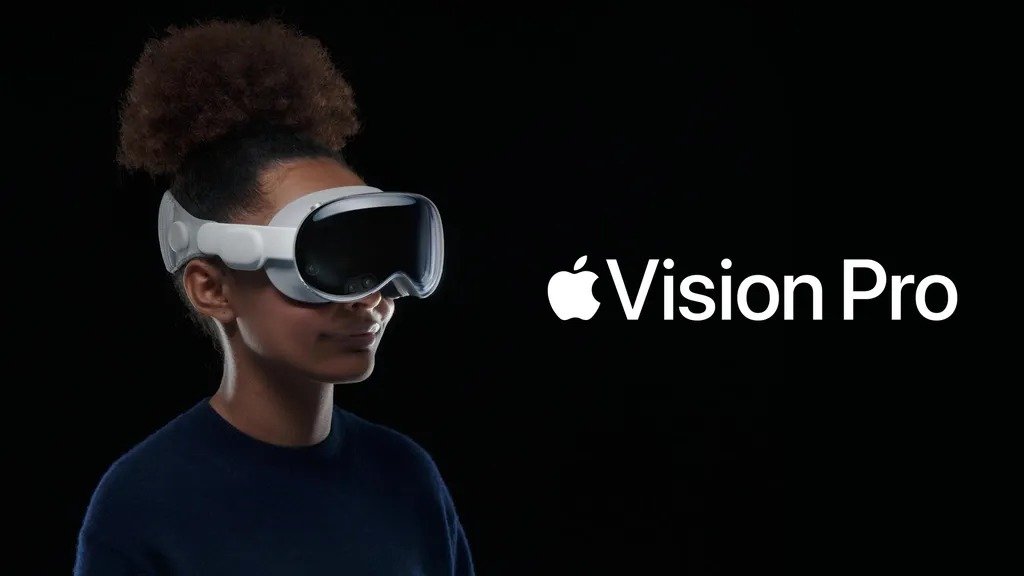
Apple is reportedly cutting back production of its Vision Pro mixed reality headset and significantly scaling down marketing efforts after the device failed to gain the broad consumer traction the company had hoped for. Once touted as the beginning of a new “spatial computing” era, the Vision Pro now faces one of the most notable slowdowns of any high-profile Apple product in recent years.
According to industry reports, Apple’s manufacturing partner Luxshare in China halted Vision Pro production at the start of 2025 amid weak demand, and digital advertising for the headset has been reduced by more than 95% in key markets such as the United States and the United Kingdom.
Disappointing Sales Drive Retrenchment
While Apple has not officially released Vision Pro sales figures, market research firm IDC estimates that only around 45,000 units were sold in the final quarter of 2025 a figure dramatically below expectations for a product that had already shipped roughly 390,000 units during its initial 2024 launch period. By comparison, Apple typically sells millions of iPhones, iPads, and Macs every quarter, highlighting the stark contrast in consumer adoption.
Analysts point to several key factors behind the headset’s struggle:
- High price tag: With a starting price around $3,499, the Vision Pro sits far above most other consumer headsets, making it an expensive proposition for many buyers.
- Limited app ecosystem: Despite Apple’s claim of around 3,000 VisionOS apps, the overall library remains small compared with the hundreds of thousands available on iPhone and iPad limiting compelling everyday use cases.
- Comfort and design issues: Reviewers and users have pointed to the headset’s weight, battery life concerns, and discomfort during prolonged use, further dampening enthusiasm.
Market and Strategic Implications
Even as other companies in the virtual and mixed reality space grapple with reduced demand, Apple’s pullback stands out given its history of strong mainstream hardware adoption. Current industry data suggests the global headset market contracted roughly 14% year-over-year, with Meta’s more affordable Quest devices continuing to lead in unit sales.
Some analysts see the Vision Pro now more as a niche or enterprise product rather than a mass-market staple a role that could persist while Apple works toward a broader ecosystem. Others argue that the production cuts reflect the company’s strategic shift toward AI-enabled wearables and other next-generation hardware, areas where consumer demand and development momentum are stronger.
What’s Next for Vision Pro?
Despite the production slowdown, there are indications that Apple may still pursue more accessible versions of its spatial computing hardware in the future, though timelines and specifics remain unclear. A lower-cost model or a reimagined design targeting comfort and broader appeal could emerge in the coming years.
For now, the Vision Pro’s retrenchment serves as a rare commercial challenge for Apple’s hardware lineup but one that could ultimately shape its approach to immersive technologies going forward.
Would you like a comparison of how Vision Pro sales stack up against competitors like Meta Quest?