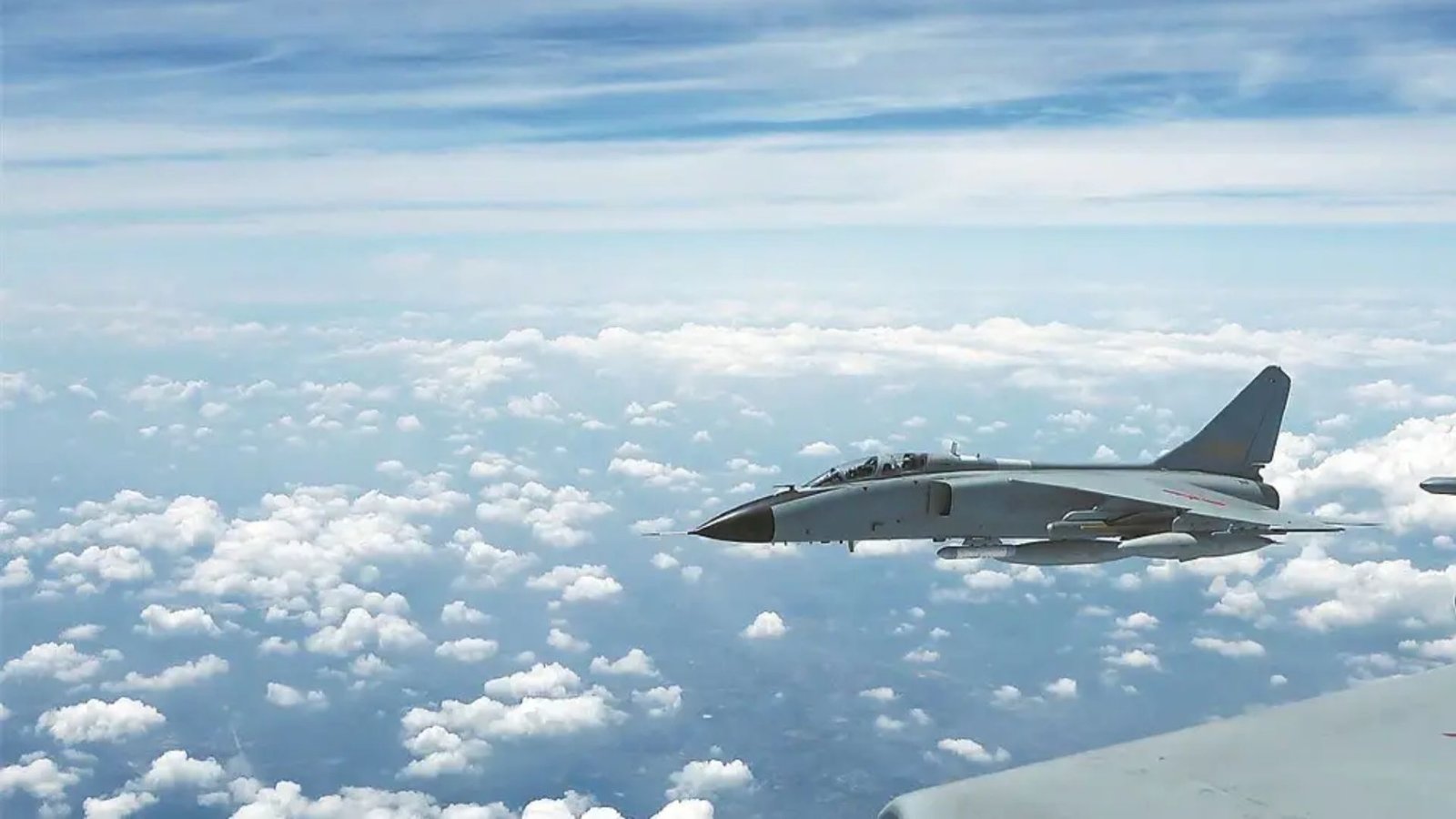
China’s military on Monday launched expansive live-fire exercises around Taiwan, marking a significant escalation in cross-strait tensions and drawing sharp condemnation from Taipei and concern from regional observers. The drills, officially named “Justice Mission 2025,” involve coordinated operations by China’s army, navy, air force and rocket forces and are designed to simulate a maritime blockade of Taiwan’s key ports and exert pressure on both Taiwan and foreign supporters.
According to statements from the People’s Liberation Army (PLA) Eastern Theatre Command, the multi-dimensional drills will be staged in several designated zones around the island, including waters and airspace north of Keelung, east of Taitung, and near southern and southwestern approaches to Taiwan, with live-fire activities scheduled through Tuesday. The PLA said the exercises will test sea-air combat readiness, joint operations, blockade capabilities and deterrence beyond Taiwan’s outer island chain.
Beijing framed the manoeuvres as a “legitimate and necessary action” to safeguard what it calls China’s sovereignty and territorial integrity, underscoring that they are aimed at deterring “separatist forces” in Taiwan and external interference, notably by the United States and Japan. China claims Taiwan as part of its territory and has not ruled out the use of force to achieve unification.
Taipei’s Response and Regional Impact
The Taiwanese government strongly condemned the drills as an aggressive and destabilizing provocation that threatens regional peace and safety. Taipei’s Defense Ministry reported that its forces were mobilized for counter-combat readiness exercises to monitor and respond to the PLA’s movements, and Taiwan’s coast guard warned that the expanded exercise zones pose risks to navigational safety and fishermen’s operational rights.
Taiwanese officials characterized China’s actions as military intimidation and a direct challenge to the island’s democratic system and sovereignty. The drills come amid heightened tensions triggered by the U.S. approval of a substantial arms package for Taiwan, reportedly worth over $11 billion, and recent comments by Japan’s leadership indicating possible defense support in the event of a cross-strait conflict.
Military Dynamics and Strategic Message
The scale and scope of the exercises signal an increasingly assertive Chinese military posture. The PLA has deployed destroyers, frigates, fighter jets, bombers, drones and long-range artillery assets in simulated strike and blockade scenarios that mirror key components of a real conflict scenario. Analysts note that these drills not only showcase China’s anti-access/area-denial capabilities but also serve as a strategic message to both Taipei and Washington about Beijing’s resolve and growing military capacity.
This operation represents the sixth major round of drills against Taiwan since 2022, reflecting a pattern of frequent military pressure designed to incrementally reshape the security environment in the Taiwan Strait. Regional defense observers have warned that such exercises risk misunderstanding or escalation, especially given the broader geopolitical contest involving U.S. and allied interests in East Asia.
As the drills proceed, international attention remains focused on how both Taiwan and external powers will respond to these provocative war games and what implications they may have for cross-strait relations and regional stability in the months ahead.