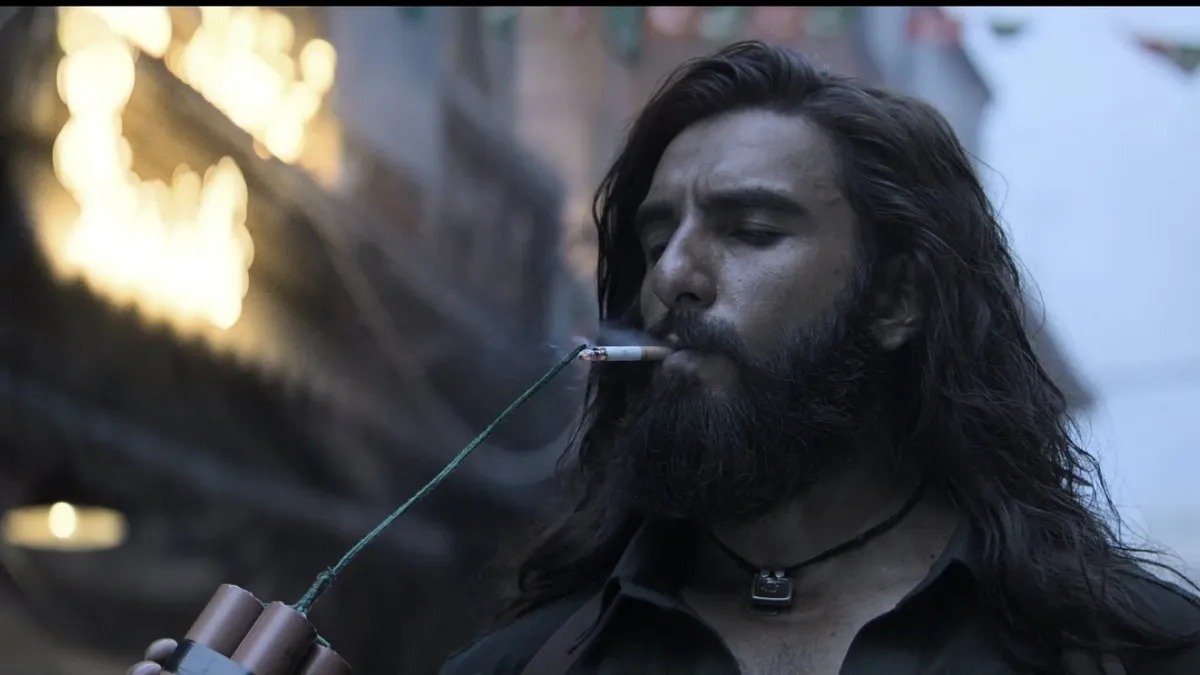
The much-anticipated OTT release of Dhurandhar has landed in controversy, with fans expressing outrage over what they describe as excessive censorship, muted dialogues, and nearly ten minutes of missing footage. Social media platforms have been flooded with criticism, as viewers accuse streaming platforms and censor authorities of applying inconsistent standards, especially when compared to films like Animal and Kabir Singh, which faced minimal cuts despite their controversial content.
Soon after the film began streaming, sharp-eyed fans noticed abrupt scene transitions, awkward silences where dialogues were clearly muted, and entire sequences that appeared to be removed. Several viewers claimed that the OTT version felt “disjointed” and “emotionally diluted,” arguing that the edits stripped Dhurandhar of its narrative intensity and character depth. Hashtags calling out censorship trends began trending within hours of the release.
Many fans questioned why Dhurandhar, which they argue is rooted in gritty realism rather than shock value, was subjected to such scrutiny. “If Animal and Kabir Singh could release without major cuts, why is Dhurandhar being treated differently?” one user wrote on X. Another added, “Ten minutes gone, dialogues muted this isn’t certification, this is creative sabotage.”
Industry insiders suggest that the edits were likely made to ensure compliance with OTT content guidelines, which in recent years have come under tighter scrutiny. Unlike theatrical releases governed by the Central Board of Film Certification (CBFC), OTT platforms operate under self-regulatory codes, but many filmmakers argue that these guidelines are often interpreted conservatively to avoid backlash or legal trouble.
Sources close to the film’s production reportedly indicated that the makers were informed of the changes close to the release date, leaving little room for negotiation. While no official statement has yet been released by the producers or the streaming platform, the silence has further fuelled fan anger. Viewers are demanding transparency, asking for clarity on who ordered the cuts and whether an uncensored version might be released later.
Film critics, meanwhile, are divided. Some acknowledge that OTT platforms have a responsibility to balance creative freedom with sensitivity, while others argue that selective censorship damages storytelling and sets a worrying precedent. “When audiences pay for content, they expect the filmmaker’s vision, not a diluted version shaped by fear,” said one critic.
The controversy has also reignited the larger debate around censorship parity in Indian cinema. Fans point out that commercial success and star power often determine how much scrutiny a film receives. Movies backed by major stars, they argue, seem to enjoy greater leniency, while others are forced to comply with stricter standards.
As the backlash grows, Dhurandhar has unexpectedly found itself at the centre of a national conversation about artistic freedom in the OTT era. Whether the outrage will prompt the platform to reconsider its edits remains to be seen. For now, one thing is clear: audiences are no longer willing to quietly accept silent cuts and they want answers.