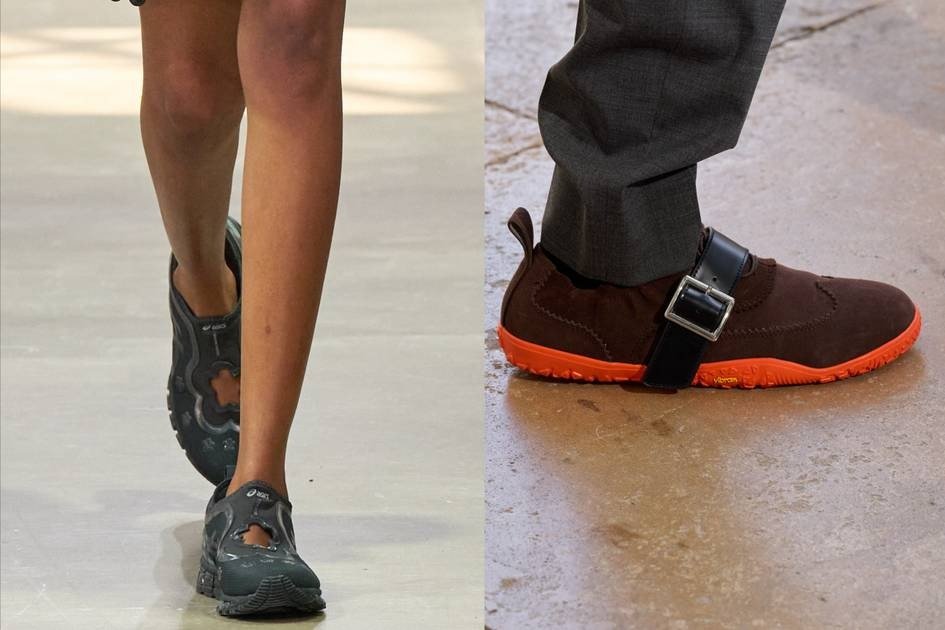
Footwear for Fall/Winter 2026–27 is emerging as a powerful reflection of global cultural shifts, where fashion is no longer just about aesthetics but about identity, values, and lived experience. Designers are responding to a world shaped by uncertainty, technological acceleration, climate anxiety, and a renewed desire for authenticity. As a result, shoes for the season are becoming more expressive, functional, and emotionally resonant than ever before.
One of the most visible cultural drivers shaping FW 26/27 footwear is the shift toward pragmatic luxury. Consumers are moving away from overt status symbols and gravitating toward products that justify their value through longevity, comfort, and adaptability. This has led to a rise in elevated everyday footwear boots, loafers, and hybrid sneakers designed for long wear and multiple contexts. Think refined silhouettes with hidden cushioning, ergonomic soles, and materials that age beautifully rather than quickly date.
Another major influence is the post-pandemic redefinition of movement and lifestyle. With work, travel, and leisure continuing to blur, footwear is responding with hybrid forms. Trail-inspired soles appear under city-ready uppers, while formal shoes adopt sneaker-like flexibility. This reflects a cultural preference for freedom of movement and versatility, where footwear must seamlessly transition from urban environments to social settings without sacrificing style.
Sustainability has evolved from a trend into an expectation, shaping both design and storytelling. For FW 26/27, this goes beyond recycled materials to include cultural sustainability preserving craft, supporting local production, and reducing overconsumption. Footwear brands are revisiting traditional techniques such as hand-stitching, natural dyeing, and repairable construction, aligning with a broader cultural shift toward mindful ownership and slower fashion cycles.
At the same time, nostalgia and emotional comfort are playing a strong role. In uncertain times, consumers often look backward for reassurance, and this is reflected in the resurgence of heritage silhouettes. Classic riding boots, retro athletic shoes, and archival shapes from the 1990s and early 2000s are being reinterpreted with modern proportions and materials. This isn’t simple revivalism it’s nostalgia filtered through a contemporary lens, offering familiarity with a sense of progress.
Technology-driven culture is also leaving its mark. As digital life becomes more immersive, footwear aesthetics are borrowing from virtual worlds and industrial design. Futuristic soles, modular components, and exaggerated proportions reflect the influence of gaming, AI, and digital avatars. Yet, interestingly, this tech-inspired look is often balanced with tactile, grounded materials leather, felt, shearling highlighting a cultural tension between digital expansion and human touch.
Finally, individual expression and fluid identity are central to FW 26/27 footwear. Gender-neutral designs continue to gain momentum, with silhouettes that resist traditional categorisation. Consumers are seeking shoes that align with who they are, not who they are expected to be, pushing brands to design with inclusivity and flexibility at the core.
In essence, Fall/Winter 2026–27 footwear is not just shaped by fashion trends, but by cultural realities. It tells a story of resilience, adaptability, and self-awareness where every step is informed by how people live, move, and define themselves in a rapidly changing world.