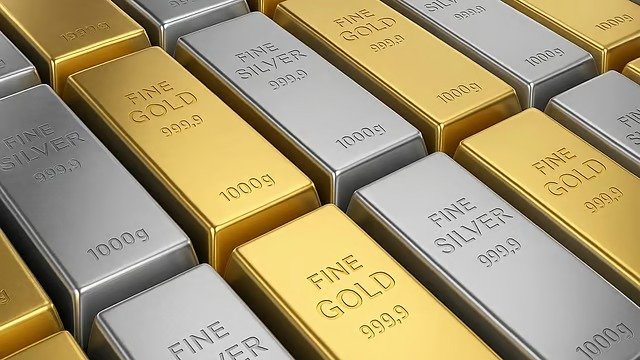
Gold and silver, long regarded as the ultimate safe-haven assets during periods of uncertainty, are currently facing sustained pressure in global markets. Prices of both precious metals have slipped from recent highs, prompting investors to reassess what is driving this loss of momentum and whether the downturn is temporary or part of a larger shift in market dynamics.
One of the biggest factors weighing on gold and silver is the strength of the US dollar. As the dollar firms against major global currencies, commodities priced in dollars become more expensive for international buyers. This typically dampens demand for precious metals, which thrive when the dollar weakens. With expectations that US interest rates may stay higher for longer, the greenback has remained resilient, directly pressuring bullion prices.
Closely linked to the dollar is the rise in bond yields, another key headwind for precious metals. Gold and silver do not generate interest or dividends, making them less attractive when yields on government bonds and other fixed-income instruments rise. Investors seeking steady returns are increasingly shifting capital toward bonds, reducing the appeal of non-yielding assets like bullion.
Another reason behind the fading shine is easing geopolitical risk premiums. While global tensions remain, markets have largely priced in ongoing conflicts and diplomatic standoffs. In recent weeks, the absence of fresh escalation has reduced panic-driven buying of gold and silver. As risk sentiment improves even marginally, investors tend to rotate toward equities and growth-oriented assets, further weakening demand for precious metals.
Silver, in particular, is also feeling pressure from the industrial demand side. Unlike gold, which is largely driven by investment and central bank purchases, silver has significant industrial use in electronics, solar panels, and manufacturing. Concerns about slowing global growth, especially in China and parts of Europe, have raised doubts about future industrial consumption, adding to downward pressure on prices.
Central bank activity, which has supported gold prices in recent years, has shown signs of moderation. While central banks continue to hold gold as a strategic reserve, the pace of aggressive buying has slowed. This has removed a key pillar that previously helped cushion gold against market volatility.
Profit-booking is another short-term factor. After a strong rally earlier, many investors have chosen to lock in gains, leading to sharp corrections. Such pullbacks are common in commodity markets and often intensify when technical levels are breached, triggering algorithmic and speculative selling.
Despite the current weakness, analysts caution against writing off gold and silver entirely. Persistent inflation risks, long-term fiscal concerns in major economies, and the potential for renewed geopolitical shocks mean precious metals could regain their appeal quickly. For long-term investors, the current dip may even present selective buying opportunities rather than a signal of a prolonged collapse.
In the near term, however, gold and silver are likely to remain under pressure as markets stay focused on interest rates, currency movements, and global growth signals. Their role as a safe haven hasn’t disappeared but for now, it is clearly being tested.