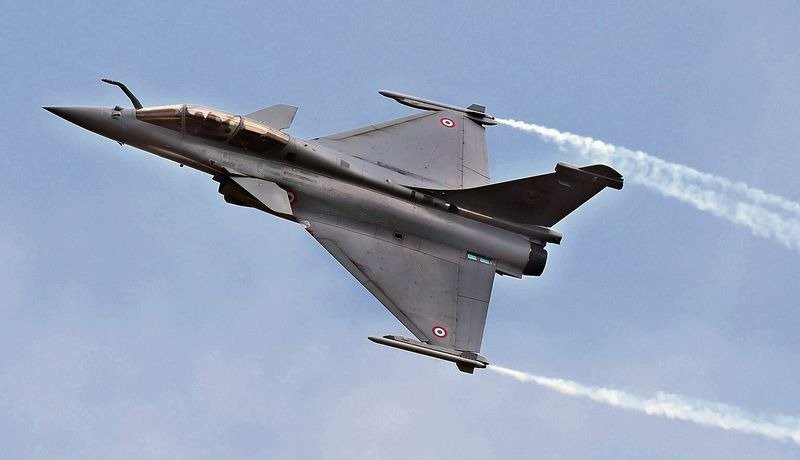
In a major boost to India’s military modernisation push, the government has reportedly approved the procurement of 114 Rafale fighter jets along with several other defence projects collectively valued at approximately ₹3.6 lakh crore.
The decision marks one of the largest defence acquisition clearances in recent years and is expected to significantly strengthen India’s air power and overall combat readiness.
✈️ 114 Rafale Jets: A Strategic Expansion
The deal centres around the acquisition of 114 additional Dassault Rafale multirole fighter aircraft for the Indian Air Force (IAF). The Rafale, manufactured by French aerospace major Dassault Aviation, is already in service with the IAF following India’s earlier 36-aircraft procurement.
Why the Rafale Matters
The Rafale is known for:
- Advanced avionics and electronic warfare systems
- Beyond Visual Range (BVR) missile capability
- Meteor and SCALP missile integration
- Multirole flexibility (air superiority, ground attack, reconnaissance)
With squadron strength currently below sanctioned levels, the induction of 114 additional jets is expected to:
- Bridge critical capability gaps
- Replace ageing MiG-21 and other legacy platforms
- Enhance deterrence along both western and northern borders
The procurement is likely to be executed under a competitive framework, potentially involving domestic manufacturing under the “Make in India” initiative.
🛡️ Broader Defence Projects Worth ₹3.6 Lakh Crore
Apart from the Rafale acquisition, the government has reportedly cleared multiple other defence procurement proposals across:
- Air defence systems
- Naval platforms
- Armoured vehicles
- Advanced artillery systems
- Indigenous defence production programmes
These approvals align with India’s broader push toward:
- Self-reliance in defence manufacturing
- Faster acquisition cycles
- Modernisation of tri-service capabilities
🔎 Strategic Implications
The scale of the approval signals:
- A strong emphasis on long-term force readiness
- Continued focus on technological superiority
- Strengthening partnerships with global defence manufacturers
At the same time, the government is expected to negotiate offsets and domestic production components to ensure technology transfer and industrial benefits within India.
📌 What Happens Next?
While approval marks a significant step, the procurement process will involve:
- Tender issuance
- Technical and commercial evaluation
- Contract negotiations
- Delivery timelines spanning several years
Given the magnitude of the investment, the Rafale expansion could become one of the largest defence contracts in India’s history.
Bottom Line
The clearance of 114 Rafale jets and defence projects worth ₹3.6 lakh crore represents a decisive move toward strengthening India’s air and overall combat capabilities. As geopolitical tensions and regional security challenges evolve, such large-scale modernisation efforts underscore India’s strategic priorities in safeguarding national security.