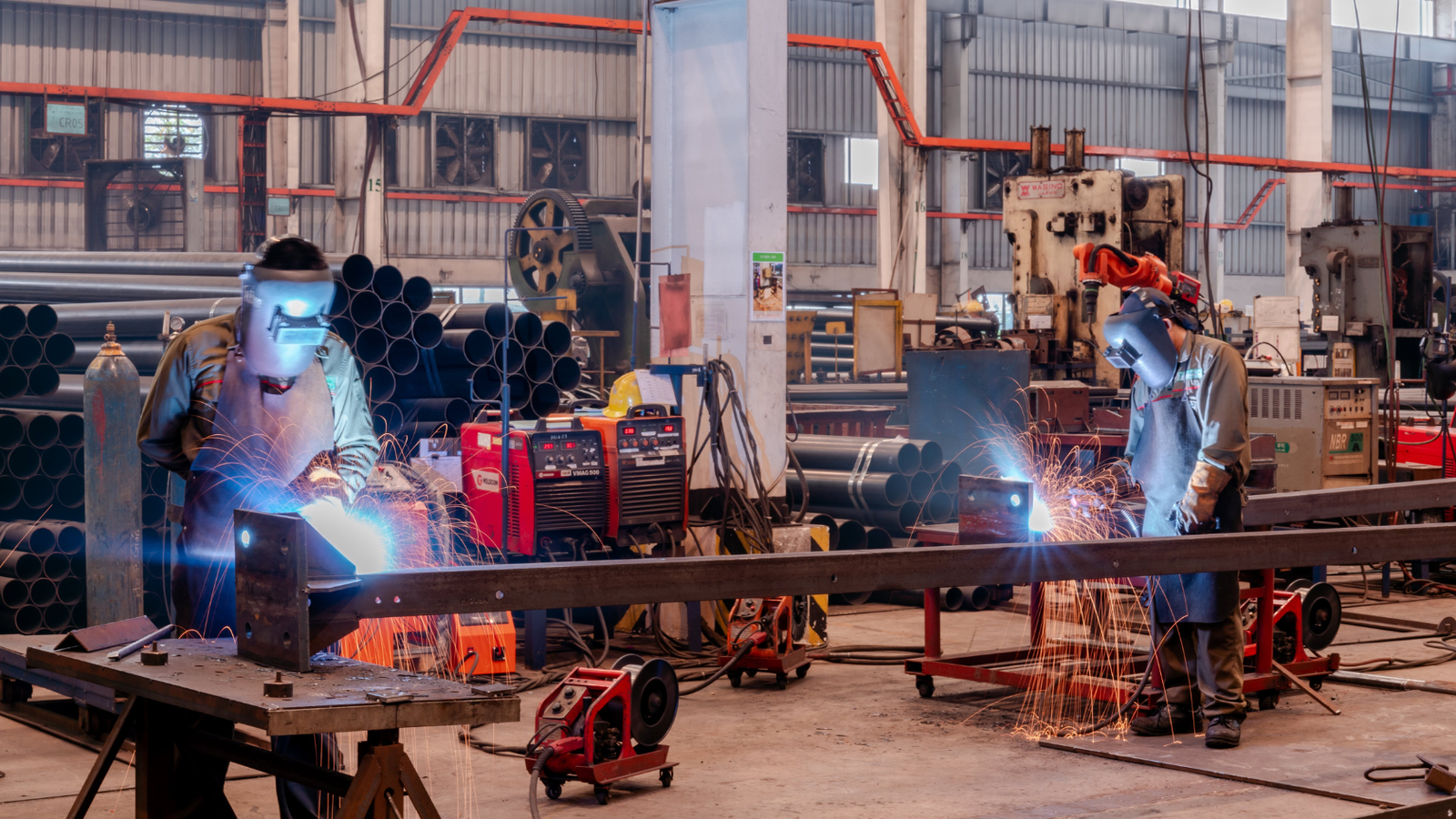
India’s manufacturing sector is making headlines, and for good reason. The latest data shows that the Purchasing Managers’ Index (PMI) for manufacturing has soared to its highest level in 17 years. This surge is more than just a number; it signals renewed confidence in India’s industrial landscape and paints a promising picture for the broader economy. Let’s break down what this means, why it matters, and how it could shape India’s growth trajectory in the coming years.
Understanding Manufacturing PMI
Before diving into the implications, it’s important to understand what PMI represents. The Purchasing Managers’ Index is a survey-based measure that gauges the economic health of the manufacturing sector. It looks at factors such as new orders, output, employment, supplier delivery times, and inventory levels. A PMI above 50 indicates expansion, while a figure below 50 points to contraction.
India’s manufacturing PMI hitting a 17-year high clearly signals that manufacturers are not just surviving, they are thriving. This kind of momentum is a strong indicator of increasing demand, business optimism, and industrial efficiency.
Factors Driving the Surge
Several factors have contributed to this unprecedented rise in the manufacturing PMI.
1. Robust Domestic Demand:
One of the primary drivers has been growing domestic consumption. India’s expanding middle class, rising disposable incomes, and improving consumer confidence have translated into higher demand for manufactured goods. From automobiles to electronics, manufacturers are witnessing a steady uptick in orders, which directly reflects in the PMI figures.
2. Export Growth:
India’s manufacturing success isn’t limited to domestic markets. Strong global demand, particularly from countries recovering from pandemic-related disruptions, has opened up new export opportunities. Indian manufacturers have leveraged competitive pricing and quality improvements to capture international markets, boosting overall production and orders.
3. Government Initiatives:
Policy interventions have also played a crucial role. Programs like ‘Make in India’ have encouraged domestic production, while infrastructure investments and tax incentives have provided a conducive environment for manufacturers to expand. These measures have reduced bottlenecks, simplified logistics, and encouraged businesses to ramp up output.
4. Technological Integration:
Modern manufacturing increasingly relies on technology to optimize operations. Indian firms are investing in automation, digital tools, and supply chain innovations, which enhance productivity and reduce lead times. The PMI reflects not only higher production levels but also the efficiency gains that technology brings.
Implications for the Indian Economy
A manufacturing PMI at 17-year high carries broader implications beyond the sector itself.
1. Economic Growth Acceleration:
Manufacturing is a key driver of GDP growth. Increased production leads to higher revenue, more employment, and greater tax collections. As manufacturers expand operations, it stimulates ancillary sectors such as logistics, raw materials, and retail, creating a multiplier effect across the economy.
2. Employment Opportunities:
Rising manufacturing activity translates into more jobs. This is particularly important for India, where a large portion of the population relies on industrial and semi-skilled work. Expanding factories, new plants, and increased output can help address employment challenges while also enhancing skill development among the workforce.
3. Strengthening Investor Confidence:
High PMI numbers signal a favorable business environment, which can attract both domestic and foreign investment. Investors look for stability, growth, and market potential, and the manufacturing surge demonstrates that India’s industrial sector meets these criteria. This could result in increased capital inflows and further industrial expansion.
4. Export Competitiveness:
A strong manufacturing sector enhances India’s global trade position. As production scales up, the country can offer better-quality products at competitive prices, boosting exports. A diversified export portfolio helps mitigate risks from domestic fluctuations and strengthens the country’s foreign exchange reserves.
Challenges and Areas to Watch
While the PMI surge is encouraging, it’s important to maintain a realistic perspective. Rapid growth brings its own set of challenges:
1. Supply Chain Pressures:
Increased production can strain supply chains. Delays in raw materials, rising input costs, and transportation bottlenecks could dampen momentum if not addressed promptly.
2. Inflationary Risks:
Higher production and demand may lead to price pressures in certain sectors. Policymakers need to strike a balance between sustaining growth and controlling inflation to maintain economic stability.
3. Skill Gaps:
As manufacturing grows more sophisticated, the demand for skilled labor rises. Ensuring that the workforce is trained to handle advanced machinery and technology is crucial to sustain productivity.
4. Global Economic Uncertainty:
While exports have supported growth, global economic fluctuations, geopolitical tensions, or trade disruptions could impact demand for Indian products. Diversifying export markets and maintaining flexibility will be key to mitigating these risks.
Looking Ahead
What this 17-year high in the manufacturing PMI ultimately reflects is India’s resilience and adaptability. The country’s industrial base has not only recovered from pandemic-related setbacks but is also setting new benchmarks. Policymakers, industry leaders, and investors are now focused on sustaining this momentum through strategic planning, infrastructure development, and technological adoption.
For businesses, the current environment presents an opportunity to innovate, expand, and capture market share. For workers, it promises better job prospects and skill-building opportunities. And for the economy at large, it signals a potential acceleration in growth and an enhanced global standing.
Conclusion
India’s manufacturing sector is at a pivotal moment. A 17-year peak in PMI is not just a statistic, it’s a reflection of renewed confidence, economic vitality, and future potential. By continuing to invest in technology, infrastructure, and workforce development, India can ensure that this surge is not a one-time phenomenon but the beginning of a sustained period of industrial growth.
In essence, this milestone is a reminder that when policy support, domestic demand, and global opportunities align, India’s manufacturing sector can thrive, and with it, the economy as a whole. The challenge now is to maintain this momentum, overcome operational hurdles, and continue building a robust industrial ecosystem that benefits businesses, workers, and the nation alike.