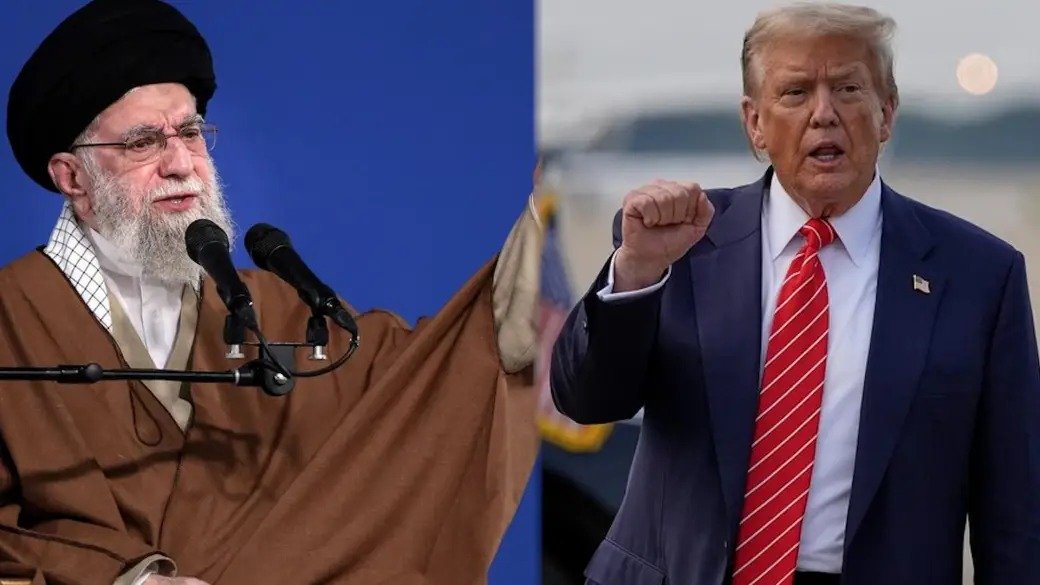
Iran has reiterated that it will not give up uranium enrichment, even under intense diplomatic and military pressure from the United States and its allies, in remarks that highlight the widening gulf between Tehran and Washington over the country’s nuclear programme. Iranian officials framed the issue as one of sovereignty and national rights, rejecting any external diktat on how it manages its nuclear activities.
Defiant Statements by Iranian Leadership
Iran’s Foreign Minister Abbas Araghchi addressed the matter at a public forum in Tehran, stating that his country would “never surrender the right to enrich uranium,” even if faced with the threat of war or continued pressure from the United States. He emphasised that the country had paid a “very heavy price” to develop its peaceful nuclear programme and argued that no foreign power had the authority to dictate Iran’s internal policies. “No one has the right to dictate our behaviour,” Araghchi said, underlining Tehran’s firm stance on preserving its enrichment capabilities.
The comments came just days after indirect talks between Iranian and U.S. officials in Oman, where negotiations aimed at reviving engagement on Iran’s nuclear programme resumed after months of strain. The talks are seen as a continuation of efforts to prevent escalation and find a diplomatic way forward, but Iran’s insistence on retaining its enrichment rights highlights one of the biggest obstacles to a comprehensive agreement.
Sovereignty and Nuclear Rights at the Core
Iran’s position is rooted in its interpretation of the Non-Proliferation Treaty (NPT), which it says recognises the right of all signatories to pursue nuclear energy for peaceful purposes including uranium enrichment. Tehran argues that enrichment is a sovereign choice tied to energy independence and technological progress, not necessarily a step toward weaponisation. Iranian leaders have repeatedly stated that their nuclear ambitions are peaceful, though critics, including the U.S. and its allies, remain sceptical.
This defiance comes at a time of heightened tensions. In recent months, the United States has increased military deployments in the region as a deterrent, and expressed firm demands that Iran scale back aspects of its nuclear programme as part of any future deal. Tehran, for its part, has pushed back against what it views as attempts to limit its sovereign rights, reinforcing that nuclear policies will be decided internally, not by external powers.
Implications for Diplomacy and Regional Stability
Iran’s refusal to compromise on enrichment complicates current diplomatic efforts. While both sides have expressed a desire to continue talks, the central divergence over uranium enrichment what levels are acceptable, under what conditions, and with what safeguards remains a politically and technically thorny issue.
The U.S. has consistently called for stringent limitations and oversight to ensure that enriched uranium cannot be diverted to weapons use, while Iran maintains that such demands infringe upon its sovereign rights and peaceful nuclear ambitions. Any future agreement will have to confront these fundamentally different perspectives.
In the broader region, Tehran’s stance raises concerns among Gulf states and Israel, both of which view Iran’s nuclear capabilities with suspicion. For the international community, the diplomatic challenge continues to be how to balance Iran’s claims of peaceful intent with the need for robust verification measures and non-proliferation assurances.
For now, Iran’s message is clear and resolute: uranium enrichment remains non-negotiable, and no foreign power can dictate its course.