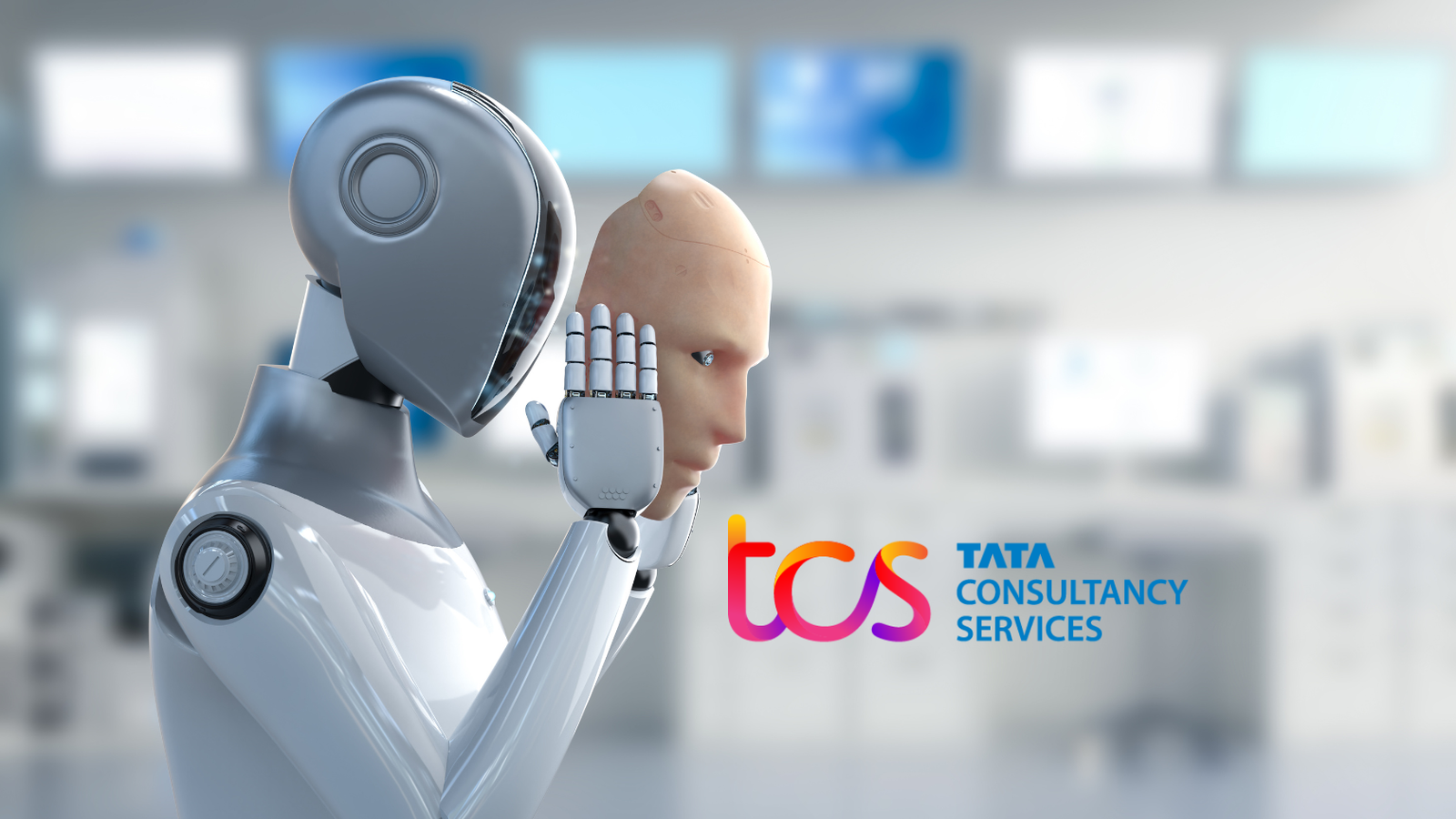
In a move that has triggered wide discussion in the tech world, Tata Consultancy Services (TCS) is reportedly planning to lay off 12,000 employees, with automation and artificial intelligence (AI) at the center of the conversation. TCS, one of India’s biggest IT giants, has long been known for job stability and steady growth, making this sudden shift all the more shocking.
The big question now is: Is AI actually replacing human workers?
The Changing Nature of Work
Artificial Intelligence has moved from being a futuristic concept to a real-world tool that’s reshaping industries. From customer service chatbots to code-writing assistants like GitHub Copilot, AI is proving it can handle many tasks once managed only by humans.
In companies like TCS, large teams that worked on repetitive tasks such as testing, backend support, data entry, and basic tech support are being replaced or significantly reduced due to AI-powered systems. These systems can work faster, more accurately, and without breaks. It’s not hard to see why companies are opting for machines over human labor in these cases.
According to industry insiders, the layoffs at TCS are largely impacting non-core roles, particularly in departments where automation has become more efficient than human effort.
A Wake-Up Call for the IT Workforce
While this isn’t the first time technology has disrupted employment, this shift feels different. In the past, automation helped workers do their jobs better. Today, it’s doing the jobs instead.
For thousands of TCS employees, the layoff notice wasn’t just about losing a job, it was about losing relevance in a field that’s evolving faster than ever. Many of them spent years building expertise in systems and methods that AI can now perform in seconds.
It’s not just about technical skills either. The gap between those who can adapt to AI and those who can’t is widening. Professionals who don’t upskill or reskill risk being left behind.
Is AI the Enemy?
It’s easy to label AI as the villain, but the reality is more complex. AI isn’t making these decisions, humans are. Executives and boards are choosing to adopt these tools for efficiency and cost-cutting. If anything, AI is a tool that reflects the values and priorities of the companies using it.
The real issue isn’t AI itself, but how it’s being implemented. Can companies balance automation with human employment? Are they offering training or support to help employees transition to new roles?
Some firms have launched internal upskilling programs to prepare employees for AI-related roles, like data annotation, prompt engineering, or AI ethics. But for many, the speed of change has outpaced the support offered.
What Comes Next?
The TCS layoffs have become a symbol of a larger global trend. Companies worldwide, from IBM to Amazon, are rethinking their workforce in an AI-driven world. This doesn’t mean all jobs will vanish, but it does mean the nature of work is evolving rapidly.
New job roles will emerge, especially those involving creativity, human empathy, and ethical decision-making, areas where AI still struggles. But this will require a conscious effort from employees, employers, and governments alike.
Final Thoughts
AI is not just a tool; it’s a turning point. The TCS layoffs are not just numbers, they represent lives impacted and careers disrupted. As AI continues to advance, it’s crucial we ask the right questions: How do we ensure workers aren’t left behind? How do we create a future where technology empowers, not replaces?
If we can find those answers, we might not fear AI, we might learn to work alongside it.