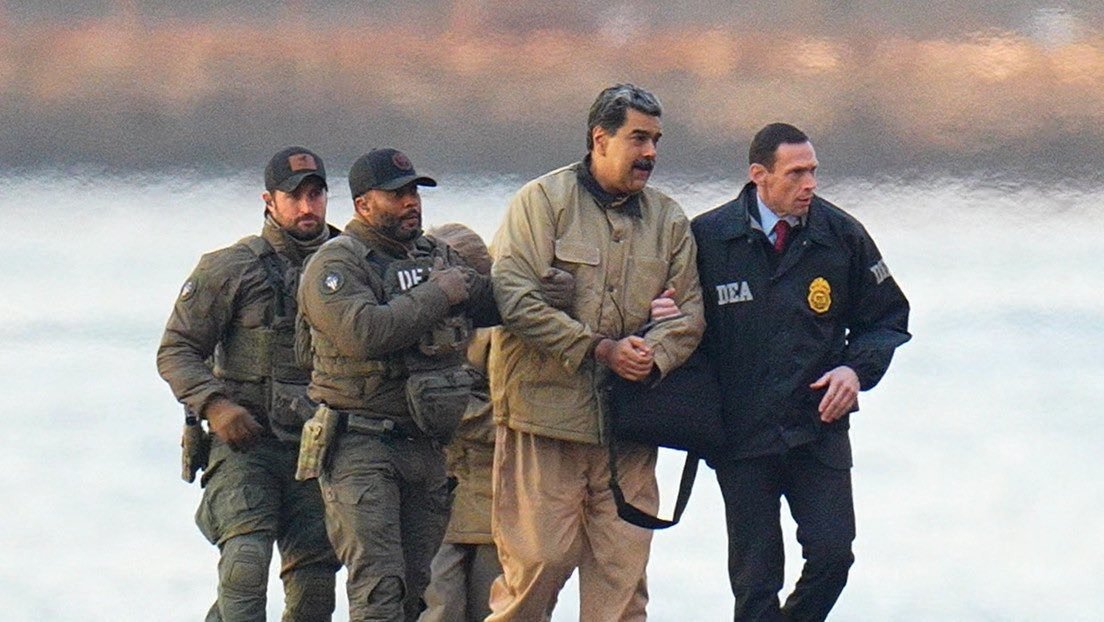
A dramatic claim attributed to Venezuelan President Nicolás Maduro, stating that he has been “kidnapped since January 3,” has drawn international attention after being cited during a recent US court hearing. The statement, made in the context of ongoing legal and political proceedings involving Venezuela, has added a fresh layer of controversy to already strained relations between Caracas and Washington.
According to details referenced in court, Maduro’s remarks were used to underline his long-standing argument that he is operating under external pressure and alleged coercion linked to foreign governments and international sanctions. While Maduro himself was not physically present in the US courtroom, his statement was introduced as part of legal arguments connected to disputes over Venezuelan state assets, sanctions enforcement, and recognition of political authority.
What Maduro Meant by ‘Kidnapped’
Maduro’s use of the term “kidnapped” was not a literal reference to physical abduction, but rather a political metaphor. He has repeatedly claimed that international sanctions, diplomatic isolation, and legal actions targeting Venezuelan institutions have effectively stripped his government of autonomy. By saying he has been “kidnapped since January 3,” Maduro appeared to suggest that decisions affecting Venezuela are being dictated by foreign powers rather than its elected leadership.
January 3 holds symbolic importance in Venezuelan politics, as it coincides with critical parliamentary and constitutional developments in recent years, often linked to leadership disputes and international recognition battles. Maduro’s framing positions these events as part of a broader effort to undermine his presidency.
Why the Statement Came Up in US Court
The remark surfaced during arguments related to control of Venezuelan assets abroad, including funds and properties frozen under US sanctions. Lawyers referenced Maduro’s statement to illustrate the deep political divide surrounding Venezuela’s leadership and to question the legitimacy and intent behind certain legal claims.
US courts have repeatedly been drawn into Venezuela-related cases, particularly over who has the authority to represent the country in financial and legal matters. These disputes often hinge on whether Maduro’s government or opposition-backed entities should be recognised in international jurisdictions.
International and Political Reactions
Maduro’s “kidnapped” claim has sparked mixed reactions. Supporters see it as a reflection of Venezuela’s struggle against what they describe as economic warfare and foreign intervention. Critics, however, argue that the statement is an attempt to deflect attention from domestic challenges, including economic instability, migration, and governance concerns.
In Washington, officials have maintained that sanctions and legal actions are targeted measures aimed at promoting democratic processes, not controlling Venezuela’s leadership. They reject Maduro’s characterisation as exaggerated and politically motivated.
Broader Implications
The resurfacing of such remarks in a US legal setting highlights how Venezuela’s political crisis continues to play out far beyond its borders. Courtrooms, rather than diplomatic tables, have increasingly become arenas where competing narratives about sovereignty, legitimacy, and international law collide.
For observers, the episode underscores how deeply politicised Venezuela-related legal battles have become. Statements like Maduro’s, even when metaphorical, can influence perceptions in judicial contexts and fuel further diplomatic friction.
As Venezuela’s standoff with the United States and its allies continues, such claims are likely to resurface serving as reminders that the country’s political struggle is as much a legal and diplomatic battle as it is a domestic one.