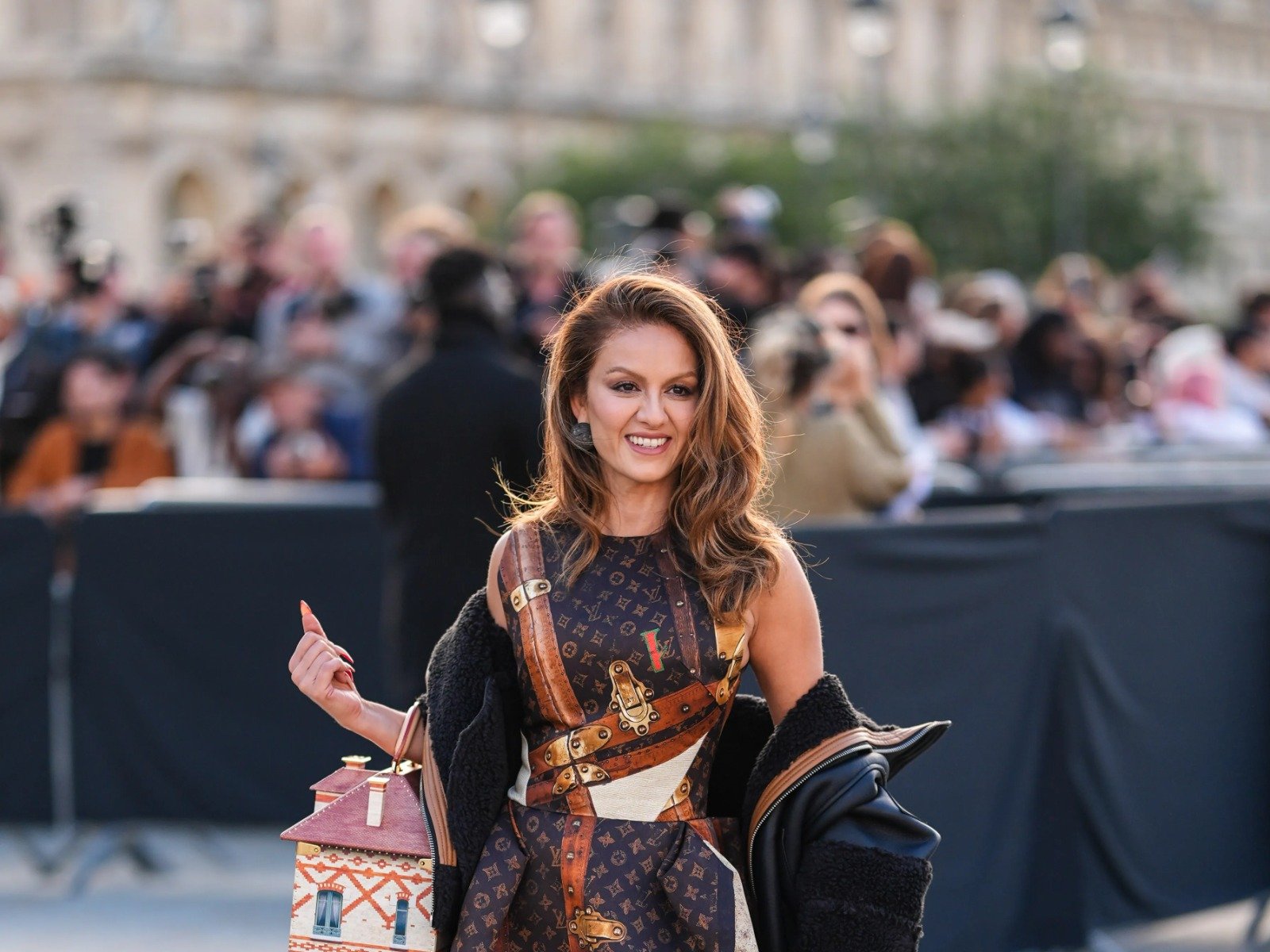
As Louis Vuitton marks its 130-year anniversary, the French luxury house is turning its gaze to one of the most enduring symbols in fashion history the iconic LV monogram. More than a decorative motif, the monogram represents a rich cultural exchange, one that famously includes its deep connection with Indian royalty, particularly the maharajas who once embraced Louis Vuitton trunks as symbols of prestige, travel, and modernity.
Created in 1896 by Georges Vuitton, the son of founder Louis Vuitton, the monogram was originally designed to combat counterfeiting. Featuring interlocking “LV” initials and floral motifs inspired by Japanese and European designs, it quickly evolved into a hallmark of luxury. What began as a practical branding solution soon became a global status symbol and Indian royalty played a key role in that transformation.
The Maharajas and the Age of Grand Travel
During the late 19th and early 20th centuries, Indian maharajas were among Louis Vuitton’s most distinguished patrons. As prolific travellers who journeyed across Europe, Africa, and Asia, they commissioned bespoke trunks from the maison crafted to carry jewels, garments, ceremonial weapons, and even musical instruments. These trunks were often personalised with coats of arms, royal insignia, and custom interiors, blending European craftsmanship with Indian grandeur.
For the maharajas, owning Louis Vuitton was not merely about luxury; it was a statement of global outlook and refined taste. Their patronage helped elevate the brand’s reputation beyond Europe, cementing its status among the world’s elite long before luxury became mass-marketed.
A Monogram That Transcended Borders
To commemorate 130 years, Louis Vuitton is revisiting this heritage by spotlighting archival designs, historical trunks, and reinterpretations of the monogram that reflect its cross-cultural journey. The celebrations highlight how the LV monogram transitioned from aristocratic travel gear to a contemporary fashion icon, while still retaining its legacy of craftsmanship.
Modern collections subtly reference this royal past through rich textures, intricate detailing, and storytelling rooted in travel an ethos that remains central to the brand. By honouring the monogram’s history with Indian royalty, Louis Vuitton acknowledges how luxury has long been shaped by global influences rather than confined to one geography.
Relevance in the Modern Luxury Landscape
Today, the LV monogram is instantly recognisable across continents, worn by celebrities, creatives, and consumers from diverse backgrounds. Yet its roots in bespoke craftsmanship and elite patronage continue to define its value. As luxury consumers increasingly seek authenticity and heritage, Louis Vuitton’s decision to highlight its historical ties especially with cultures like India’s adds depth to its brand narrative.
India, now one of the world’s fastest-growing luxury markets, occupies a renewed place in Louis Vuitton’s strategy. By reconnecting with the monogram’s royal admirers of the past, the brand bridges history with modern aspiration.
A Legacy That Endures
At 130 years old, Louis Vuitton’s monogram remains a testament to timeless design and cultural dialogue. From the palaces of Indian maharajas to global fashion capitals, it has travelled far without losing its identity. As the maison celebrates this milestone, it reminds the world that true luxury is not just about trend or exclusivity, but about stories that endure across generations and borders.