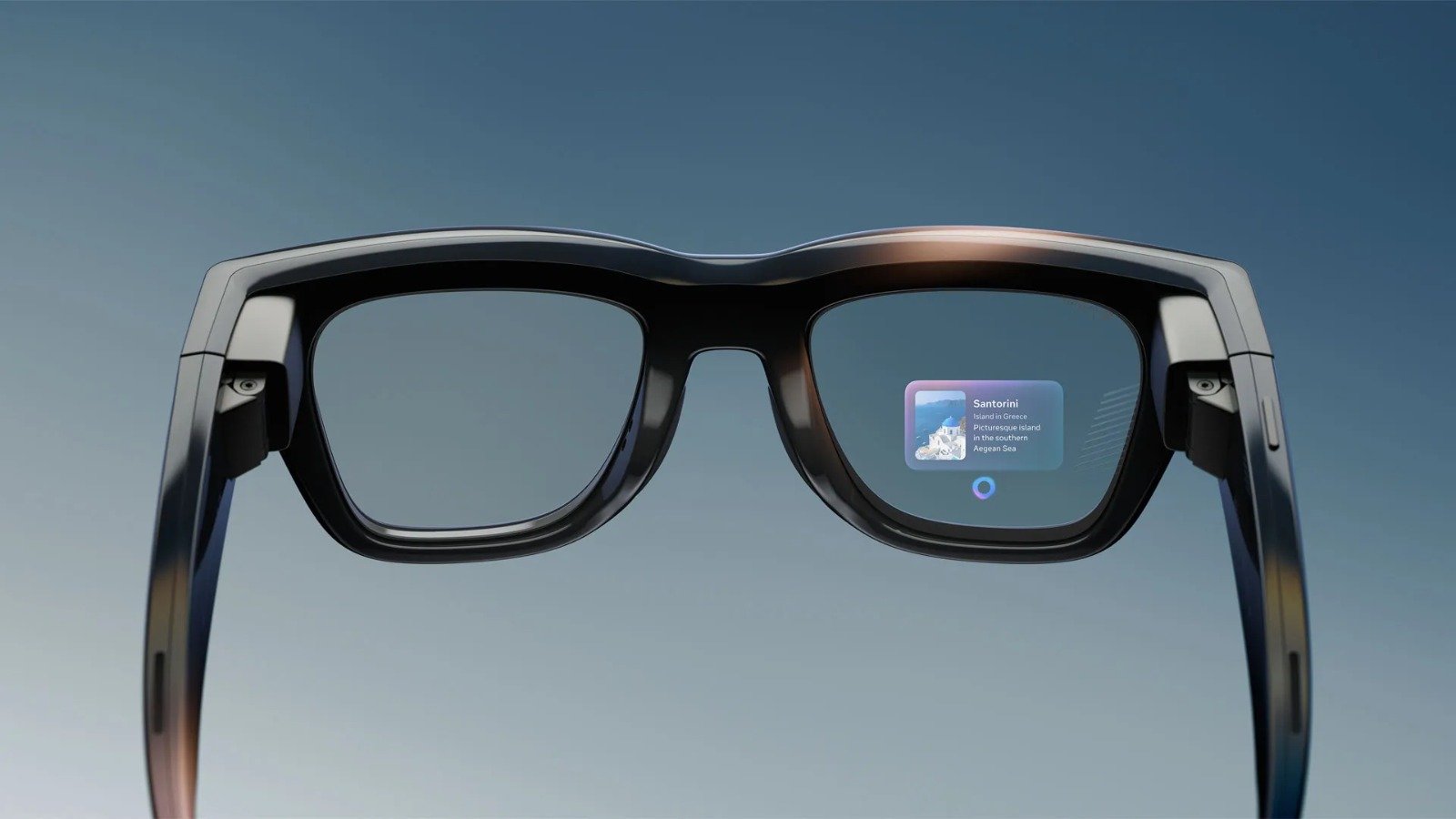
Meta has just rolled out a significant update to its AI glasses, introducing a smart new “Conversation Focus” feature designed to enhance real-world interactions and take wearable AI tech to the next level. As wearable devices increasingly blur the line between smartphones and augmented reality (AR), Meta’s latest upgrade focuses squarely on making everyday conversations more seamless and intuitive.
The Conversation Focus feature uses advanced on-device AI to help the wearer stay fully engaged in face-to-face interactions. By intelligently filtering out background noise and visual clutter, the glasses can emphasize the person you’re talking to both visually and through audio cues helping users maintain better eye contact and listening focus. This comes at a time when digital distractions are widespread, and Meta believes this feature can improve social presence rather than detract from it.
In addition to prioritizing conversational clarity, the new feature can also subtly mute alerts and incoming digital notifications while you’re engaged in a discussion, helping reduce interruptions. Meta says the processing happens locally on the glasses themselves rather than being streamed to the cloud, which improves response times and safeguards privacy.
Meta’s push into AI-enhanced eyewear reflects the broader tech industry trend toward context-aware computing where devices don’t just display information but understand when and how to present it. With competitors like Apple and Google exploring similar wearable AI ecosystems, the competition for consumer attention is heating up.
Early reviewers highlight how Conversation Focus feels natural and unobtrusive, making the glasses more than a gadget perhaps a genuine tool for richer human connection. As Meta continues to expand its AI ecosystem, updates like this suggest wearable tech might finally be edging closer to mainstream adoption.
Overall, the feature pushes Meta AI glasses beyond simple hands-free notifications and toward something more emotional and socially intelligent an intriguing step in the evolution of augmented reality wearables.