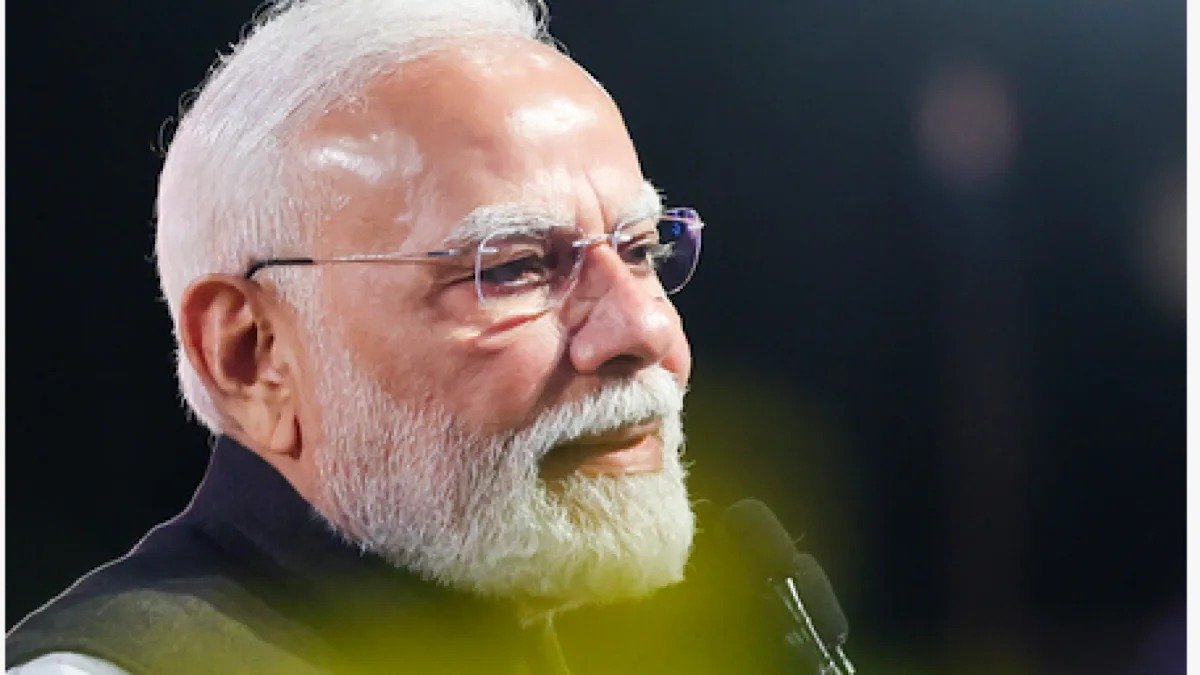
India will be represented by Om Birla at the swearing-in ceremony of Tarique Rahman, after Prime Minister Narendra Modi declined an invitation extended by Bangladesh’s Chief Adviser Muhammad Yunus, according to official sources.
The development adds a diplomatic layer to the evolving political transition in Bangladesh. While no formal reason has been publicly detailed for PM Modi’s decision, officials indicated that India will maintain representation at the event through Lok Sabha Speaker Om Birla, signalling continuity in bilateral engagement.
📌 What This Means Diplomatically
Diplomatic observers note that representation at such ceremonies often reflects the tone and priorities of bilateral relations. By deputing the Speaker of the Lok Sabha:
- India maintains official protocol-level participation.
- It avoids sending a higher executive-level signal.
- It balances engagement while navigating regional sensitivities.
Such decisions are typically calibrated, especially during leadership transitions in neighbouring countries.
🇧🇩 Political Context in Bangladesh
Tarique Rahman’s swearing-in marks a significant moment in Bangladesh’s political landscape. As a key leader of the Bangladesh Nationalist Party (BNP), his elevation comes after a closely watched political process that has drawn regional and international attention.
Muhammad Yunus, currently playing a transitional leadership role, had extended invitations to regional leaders for the ceremony, underscoring the desire for diplomatic outreach.
🌏 India–Bangladesh Relations
India and Bangladesh share:
- Strong economic ties
- Cross-border trade cooperation
- Security coordination
- Cultural and historical connections
Despite periodic political shifts, both nations have maintained strategic engagement.
Analysts suggest India’s decision reflects cautious diplomacy ensuring participation while keeping broader geopolitical considerations in mind.
🔍 Looking Ahead
With Om Birla representing India, the ceremony is expected to proceed with formal bilateral interactions on the sidelines. Observers will watch closely for:
- Any joint statements
- Signals on future cooperation
- Early policy direction from Bangladesh’s new leadership
The Bottom Line
PM Modi’s decision to decline the invitation, while sending Om Birla instead, underscores India’s calibrated diplomatic approach during a significant political transition in Bangladesh maintaining engagement, but at a measured level.