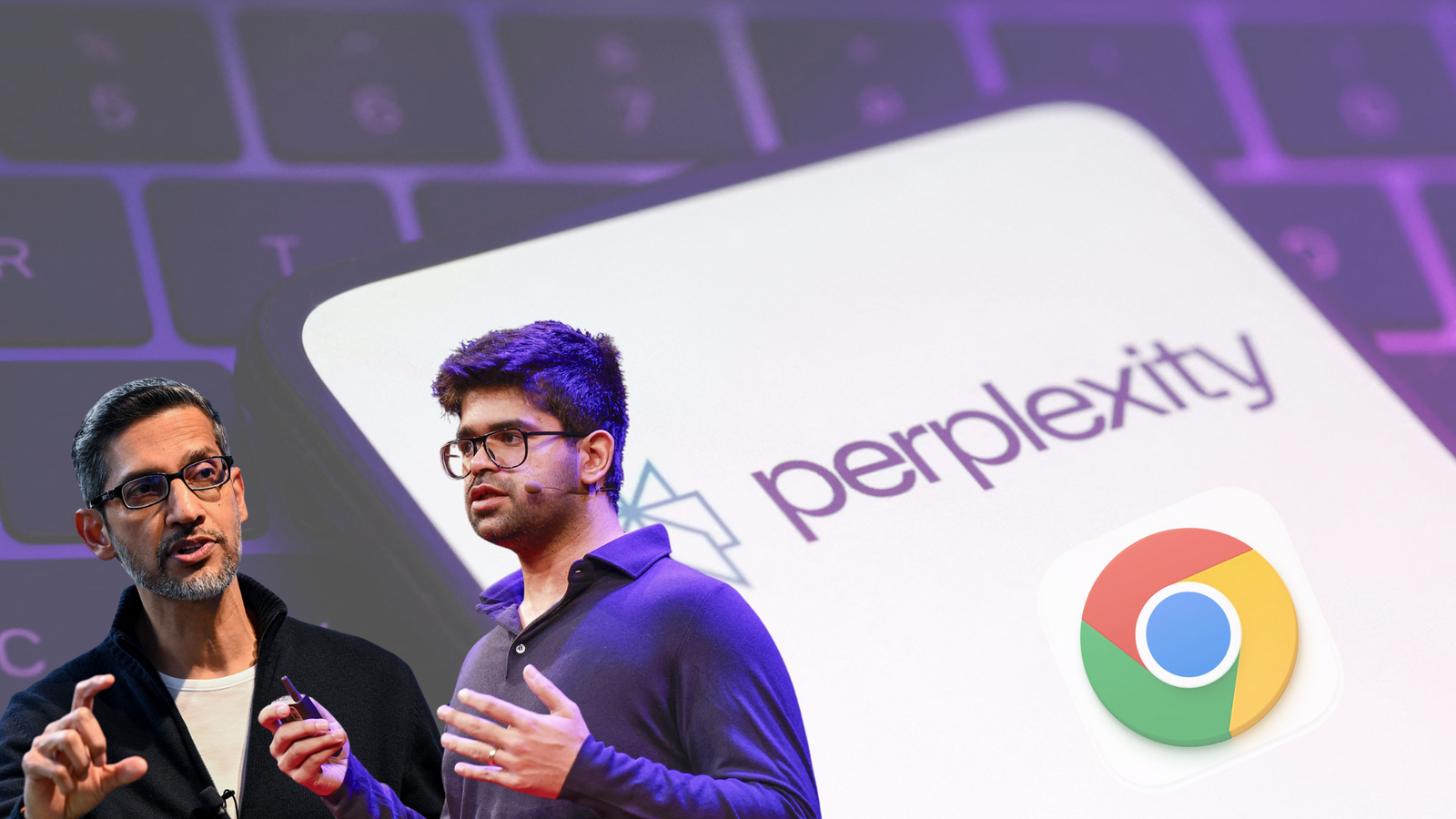
In a move that quickly eclipses headlines and expectations, AI startup Perplexity has made an unsolicited all-cash offer of $34.5 billion to acquire Google’s Chrome browser, a proposition that comes with high stakes, big ambition, and a touch of theatrical flair. The audacity of this offer is matched only by its surrounding context, rife with antitrust pressures, strategic positioning, and tech-industry drama.
A Bid That Dares to Go Big
For a company itself valued at just $18 billion, Perplexity’s proposal is audacious. That’s nearly double its own market worth, a leap of boldness few startups ever attempt. Perplexity has asserted that it has solid backing from major venture capital firms prepared to fund the transaction in full
The startup framed its proposal as more than a business play, it’s a civic remedy. Legal filings hint that this already-profitable offer is crafted as a corrective tool: a potential solution to ongoing U.S. antitrust proceedings that claim Google maintains an illegal monopoly in search by tethering its dominance through Chrome.
What’s Inside the Offer?
Perplexity’s pitch isn’t just about money. The startup has laid out assurances intended to preserve user freedom and reassure regulators:
- The browser’s foundational code, Chromium, would remain open-source.
- Perplexity pledges to invest $3 billion over two years in performance, reliability, and support.
- It commits to keeping Google as the default search engine, no stealth product changes.
- The company plans to ensure continuity for existing users, supporting them for a lengthy period post-acquisition.
- They would also retain and extend offers to key Chrome employees to maintain institutional knowledge.
This crafted narrative helps position the offer not as a hostile takeover, but as a stewardship of one of the world’s most-used software products, serving users first.
The Antitrust Backdrop
Let’s step back. A federal court, led by Judge Amit Mehta, found in 2024 that google unlawfully monopolizes the online search market. Remedies are being explored, and among them is the possibility that Chrome must be divested.
Perplexity’s bid arrives at a perfect intersection: sweeping antitrust pressure from the Department of Justice and a tech world enchanted with AI. By waving its offer, Perplexity signals to regulators and competitors alike: “If forced, there are capable buyers ready to keep Chrome alive, and independent.”
A Narrative with Purpose
This is more than an acquisition attempt, it’s a marketing masterstroke. As Axios points out, even if the offer is unlikely to be accepted, it instantly elevates Perplexity’s visibility, especially for its fledgling AI browser, Comet, which is poised to challenge Chrome on its own turf.
In effect, the bold bid helps Perplexity punch above its weight, claiming a stake in conversations typically dominated by tech giants.
Will Google Accept?
That’s the million-dollar (or rather billion-dollar) question. Historically, Google has strongly resisted divestiture. Forcing it to sell Chrom e, or any other stronghold, could disrupt its core business strategy. Analysts consider Perplexity’s offer more symbolic than actionable, highlighting that better-funded entities like OpenAI might make more viable suitors.
Still, the legal process may unfold over years. Judge Mehta’s eventual remedial decisions may take time, and appeals could delay matters even more.
What This Means for Users, and the Future
If Chrome were to change hands, user experience, long predicated on speed, familiarity, and integrated tools, could remain steady under Perplexity’s tongue-in-cheek stewardship pledge. The company’s promise not to tamper with defaults or disrupt workflows is likely aimed at calming any user jitters.
Beyond that, the broader implications are compelling. An independent, AI-infused Chrome could accelerate the timeline for agent-driven browsing, predictive shopping, and smarter search interactions. Perplexity’s burgeoning **Comet browser already embodies many of those ideas, and making it the centrepiece of a future browser landscape could recalibrate the chrome-ui for a new generation.
In the Spotlight, for All the Right Reasons
For Perplexity, this gambit places them in the media and regulatory spotlight, and does so with flair. As readers, what do we take away? It’s a reminder that emergent players aren’t just passive participants, they’re bold storytellers shaping the tech narrative.
This is about more than money. It’s a statement: the browser space, and its user base of over three billion people, matters, and new players want in. Whether or not Chrome ends up with Perplexity, this headline-grabbing offer is already rewriting how we perceive agency, ambition, and activism in tech.