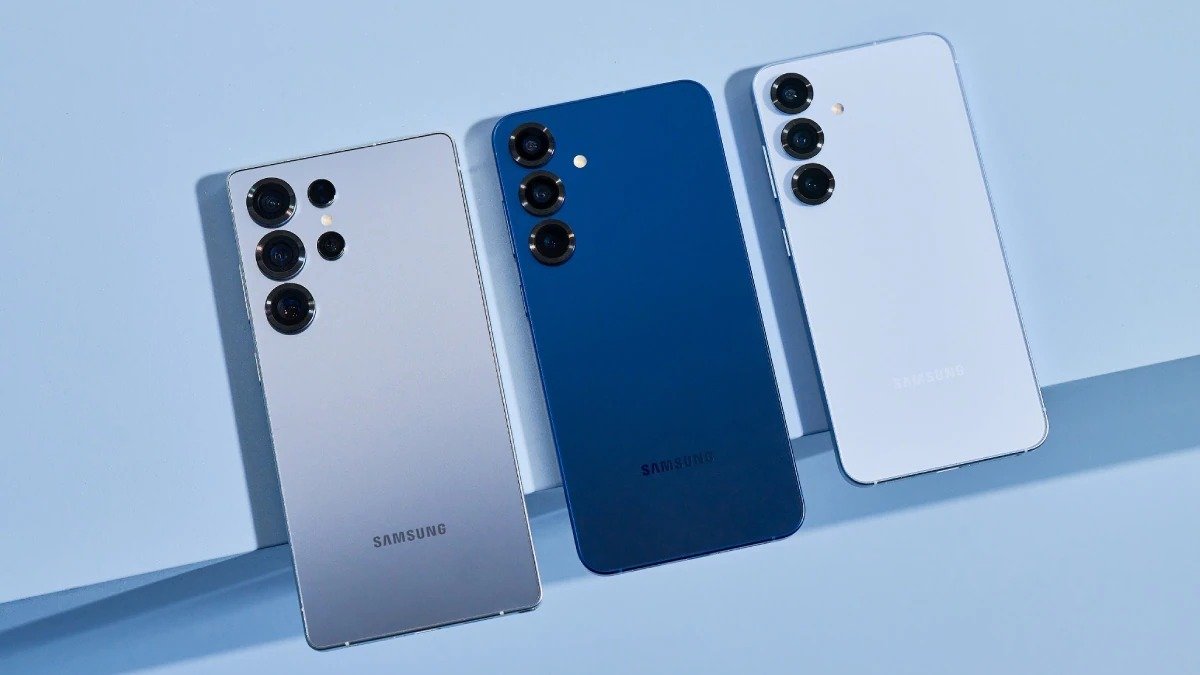
Samsung’s upcoming Galaxy S26 series is already generating buzz months ahead of its expected launch, with early upgrade hints suggesting a meaningful leap in hardware and AI capabilities. However, these improvements may also signal something consumers have been dreading: a potential price rise for Samsung’s next flagship smartphones.
According to industry leaks and supply-chain chatter, Samsung is planning several high-cost upgrades for the Galaxy S26 lineup, positioning it as a more premium device in response to intensifying competition from Apple, Google, and Chinese smartphone makers. While official details remain under wraps, the direction is becoming increasingly clear better specs, smarter AI, and higher manufacturing costs.
One of the biggest factors likely to influence pricing is the next-generation chipset expected to power the Galaxy S26. Samsung may adopt a more advanced version of Qualcomm’s Snapdragon processor globally or push its own Exynos silicon with enhanced AI performance. Either option involves cutting-edge fabrication processes, which are significantly more expensive due to rising wafer costs and limited foundry capacity.
Display technology is another area where Samsung appears ready to push boundaries. Reports suggest the Galaxy S26 could feature brighter, more energy-efficient OLED panels, possibly using improved materials that extend lifespan and reduce power consumption. While this would enhance everyday usability especially outdoors it would also increase component costs, adding pressure to final retail pricing.
Camera upgrades are also expected to play a key role. Samsung has been steadily improving sensor quality, computational photography, and video capabilities, and the Galaxy S26 may introduce larger sensors, improved periscope zoom, or AI-assisted image processing. Advanced camera modules remain one of the most expensive parts of a smartphone, and any major leap here often translates into a higher price tag.
Artificial intelligence is emerging as another major cost driver. Samsung has been aggressively integrating on-device AI features, from real-time translation and photo editing to productivity tools. If the Galaxy S26 expands these capabilities with more powerful neural processing hardware and deeper software integration, it could further justify but also necessitate a price increase.
External economic factors are also working against price stability. Inflation in component manufacturing, higher logistics costs, and geopolitical uncertainties affecting semiconductor supply chains are making it harder for smartphone makers to maintain margins. Samsung, like its rivals, is facing a choice between absorbing these costs or passing them on to consumers.
Historically, Samsung has tried to balance innovation with price competitiveness, sometimes keeping base models steady while raising prices for higher-end variants. Analysts believe a similar strategy could be used for the Galaxy S26 series, with entry models seeing modest increases and Ultra variants crossing new premium thresholds.
For consumers, the potential price rise presents a familiar dilemma: pay more for cutting-edge features or stick with older models that remain highly capable. Samsung may attempt to soften the impact through trade-in offers, financing options, and longer software support, making the upgrade feel more justifiable.
While Samsung has not officially confirmed any pricing changes, the early signs suggest the Galaxy S26 will be positioned as a true next-generation flagship and that ambition rarely comes cheap. As the launch approaches, all eyes will be on whether Samsung can convince buyers that the upgrades are worth the extra cost.