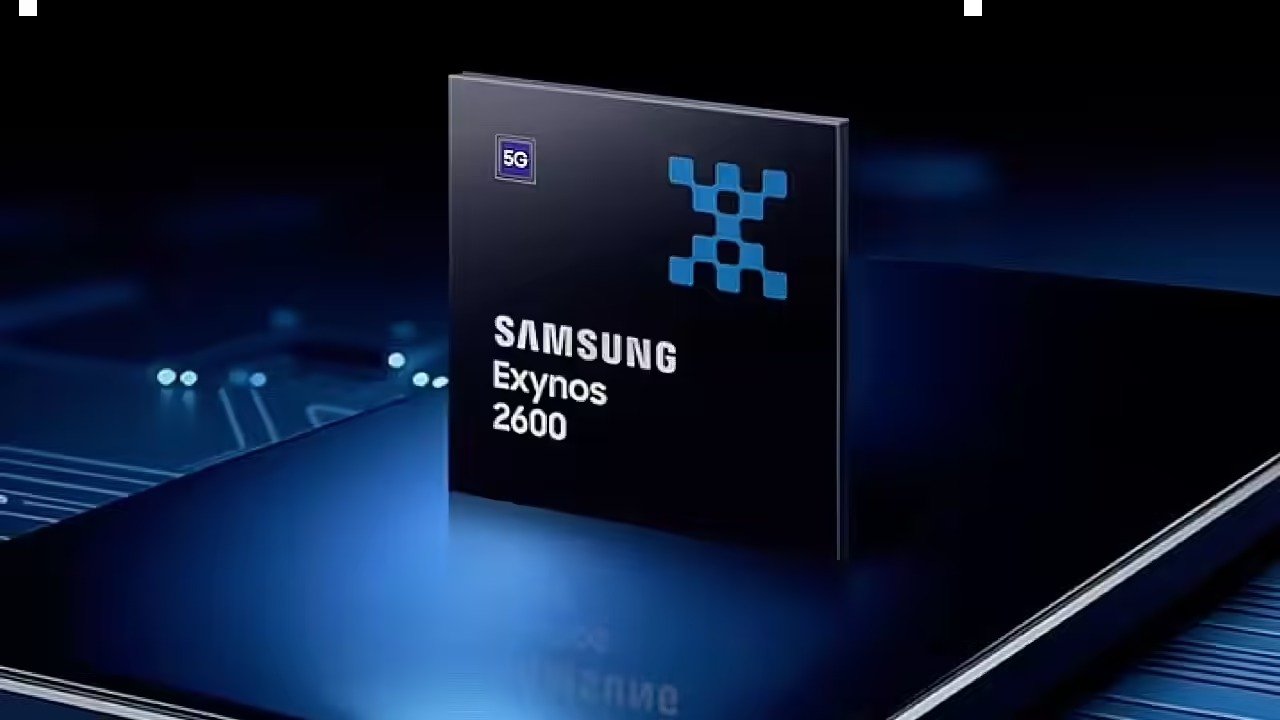
Samsung has quietly taken a major leap in semiconductor technology, and the implications for upcoming Galaxy smartphones could be far bigger than they first appear. The company’s latest chip breakthrough isn’t just about raw performance it’s about efficiency, AI capability, and long-term competitiveness in a market where every milliwatt and millisecond matters.
At the core of this advancement is Samsung’s progress in advanced fabrication technology. By refining its next-generation manufacturing process, Samsung aims to deliver chips that are smaller, faster, and significantly more power-efficient than their predecessors. For Galaxy users, this could translate into noticeably better battery life without compromising performance a long-standing challenge for premium smartphones packed with high-refresh-rate displays and powerful cameras.
One of the most important aspects of this breakthrough is improved thermal management. Over the years, flagship smartphones have struggled with heat during gaming, video recording, or extended AI tasks. Samsung’s new chip architecture is designed to reduce power leakage and manage heat more effectively. In practical terms, this means smoother gaming sessions, more stable camera performance, and less throttling during heavy use areas where users often notice real-world differences.
Artificial intelligence is another major focus. Samsung’s latest chip technology reportedly enhances on-device AI processing, allowing more tasks to be handled locally instead of relying on the cloud. For future Galaxy phones, this could mean faster photo processing, smarter voice assistants, real-time language translation, and advanced generative AI features all while keeping user data more secure on the device itself.
This development also matters strategically. Samsung has faced stiff competition from rivals using custom silicon that tightly integrates hardware and software. By strengthening its chip capabilities, Samsung gains more control over how Galaxy devices perform and how features are optimized across One UI, cameras, displays, and AI services. This tighter integration could help future Galaxy S and Galaxy Z series devices stand out in a crowded premium market.
From a consumer perspective, the benefits are clear. Expect faster app launches, improved multitasking, better low-light photography powered by AI, and longer-lasting batteries even as screens get brighter and cameras more powerful. For foldable devices in particular, improved efficiency could be a game-changer, helping Samsung address concerns around battery endurance in slim, innovative designs.
Looking ahead, this chip breakthrough positions Samsung for the next phase of smartphone evolution, where AI, efficiency, and sustained performance matter more than headline benchmark scores. If successfully implemented in upcoming Galaxy phones, Samsung’s latest silicon innovation could set a new standard for Android flagships and reinforce the brand’s leadership in both hardware and semiconductor technology.
In short, this isn’t just a chip upgrade it’s a foundation for the next generation of Galaxy experiences.