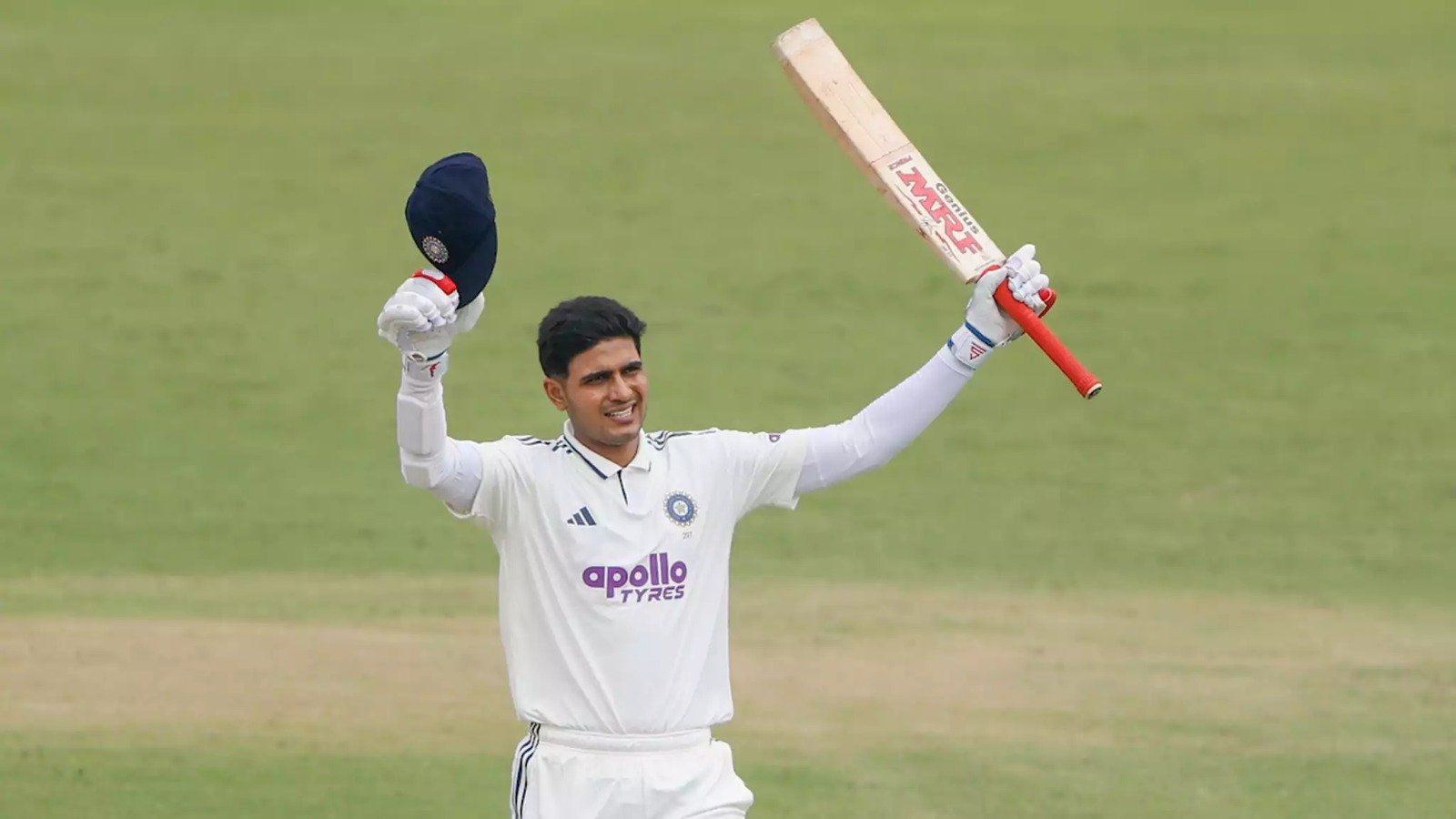
India’s star batter Shubman Gill has called for mandatory 15-day training camps before every Test series, stressing that extended preparation is crucial for success in the longest and most demanding format of the game. His comments have sparked discussion within cricket circles about workload management, scheduling, and the balance between preparation and packed international calendars.
Speaking about the challenges of Test cricket, Gill highlighted that the format requires not just technical readiness but also mental conditioning and physical durability. “Test cricket is a different beast,” he indicated, suggesting that shorter preparation windows often leave players undercooked, especially when transitioning from limited-overs cricket or the IPL to red-ball matches.
Why Gill Believes Longer Camps Matter
Gill pointed out that a two-week camp allows batters and bowlers to recalibrate their skills for red-ball conditions from adjusting to longer spells and session-based strategies to refining techniques against swing, seam, and spin. According to him, these camps also help players adapt to the specific conditions they will face, whether it is fast, bouncy pitches overseas or spin-friendly tracks at home.
Another key benefit, Gill noted, is team cohesion. Longer camps give players and support staff more time to align on game plans, build combinations, and address weaknesses without the pressure of immediate match results. For younger players or those new to the Test setup, such camps can be invaluable in easing the transition.
Scheduling Challenges
Gill’s suggestion, however, comes at a time when international cricket schedules are increasingly congested. With bilateral series, ICC events, and franchise leagues competing for space, carving out a consistent 15-day window before every Test series may prove difficult.
Yet, Gill believes that quality preparation could reduce injuries and improve performance, potentially offsetting the costs of a tighter calendar. Better-prepared players, he implied, are less likely to break down physically and more likely to deliver sustained performances over five days.
Echoes of a Traditional Approach
Former cricketers and analysts have noted that Gill’s views echo an older, more traditional approach to Test cricket, when teams regularly held long preparatory camps and tour games before major series. Many feel that as the game has become faster and more commercial, some of that detailed groundwork has been lost.
Supporters of Gill’s idea argue that India’s success in Test cricket particularly overseas has often come when the team had adequate build-up time, including practice matches and extended training sessions.
What It Means Going Forward
While it remains to be seen whether the BCCI or team management will formally adopt Gill’s recommendation, his comments underline a growing sentiment among players that Test cricket needs to be protected. In an era dominated by shorter formats, calls like these reinforce the importance of investing time and resources into red-ball preparation.
As one of India’s key Test batters, Shubman Gill’s voice carries weight. His push for 15-day camps is not just about personal comfort it’s a broader appeal to ensure that Test cricket continues to be played at the highest possible standard.