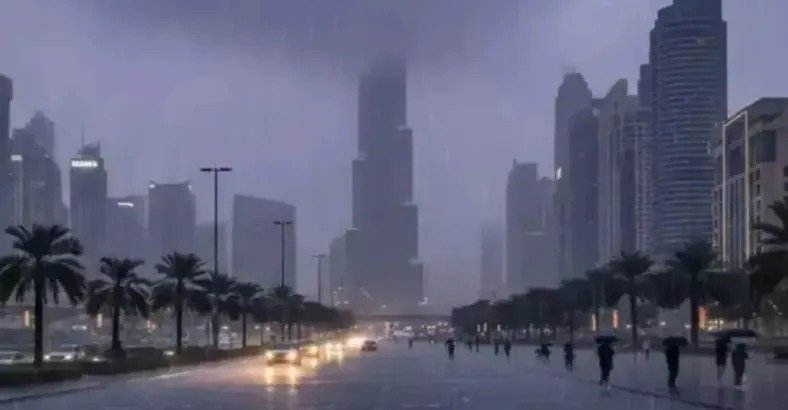
Unseasonal heavy rain and intense thunderstorms swept across several parts of the United Arab Emirates, disrupting daily life, slowing traffic, and testing the country’s disaster-preparedness systems. While the sudden downpour led to waterlogging in low-lying areas and temporary closures of roads and schools, authorities moved swiftly to ensure public safety, highlighting how coordinated planning and technology-driven responses can reduce risks during extreme weather events.
Early warnings and real-time alerts
One of the first lines of defence was early forecasting. The National Centre of Meteorology (NCM) issued weather advisories well in advance, warning residents about heavy rainfall, strong winds, lightning, and reduced visibility. These alerts were shared through official websites, mobile apps, SMS notifications, television, radio, and social media platforms. By keeping residents informed in real time, authorities enabled people to plan their travel, avoid unnecessary movement, and take basic precautions such as securing outdoor items.
Proactive emergency response
As rain intensified, emergency response teams were activated across emirates including Dubai, Abu Dhabi, Sharjah, and Ajman. Police, civil defence units, and municipal teams worked around the clock to monitor hotspots prone to flooding. Rapid-response vehicles were deployed to clear waterlogged roads, assist stranded motorists, and manage traffic diversions. In areas where visibility dropped sharply due to thunderstorms, police urged drivers to reduce speed or stay off roads entirely.
Civil defence teams also responded to reports of fallen trees, loose signage, and minor structural damage caused by gusty winds. Their quick action helped prevent secondary accidents and ensured that public spaces remained secure.
Infrastructure and drainage management
Over the years, the UAE has invested heavily in stormwater drainage infrastructure, particularly in urban centres. During the recent rains, municipal authorities activated high-capacity pumping stations to drain excess water from streets and underpasses. Maintenance teams were dispatched to clear blocked drains and ensure smooth water flow in critical areas.
In Dubai, for instance, the Roads and Transport Authority (RTA) coordinated closely with police and municipalities to manage traffic signals, reroute buses, and maintain metro services wherever conditions allowed. While some delays were inevitable, the focus remained on preventing accidents and ensuring commuters were not exposed to unnecessary danger.
School and workplace advisories
To prioritise safety, several educational institutions shifted to remote learning or announced temporary closures, depending on local conditions. Government departments and private companies were advised to offer flexible working arrangements, including work-from-home options, especially during peak rainfall hours. These measures significantly reduced the number of vehicles on the roads, easing pressure on emergency services and lowering accident risks.
Community awareness and public cooperation
Authorities repeatedly urged residents to follow safety guidelines: avoid crossing flooded roads, refrain from swimming in wadis, secure balconies and construction sites, and stay indoors during lightning storms. Community cooperation played a crucial role, with many residents sharing verified updates and adhering to official instructions rather than circulating rumours.
Social media channels of police and municipalities became key communication tools, offering live updates on road closures, weather conditions, and emergency helplines. This transparent flow of information helped build public trust and encouraged responsible behaviour.
Aviation and transport safety
Airports and airlines closely monitored weather conditions to ensure flight safety. While some delays and rescheduling occurred, aviation authorities emphasised that all decisions were precautionary. Public transport operators also adjusted schedules, prioritising passenger safety over strict adherence to timetables.
Learning for the future
The recent spell of heavy rain underscores the growing impact of extreme weather events in the region. Climate experts note that while such storms remain relatively rare, their intensity is increasing. UAE authorities have indicated that data gathered during this event will be analysed to further strengthen drainage systems, urban planning, and emergency response protocols.
A coordinated model of safety
Despite the challenges posed by the storms, the UAE’s response demonstrated how early warnings, strong infrastructure, inter-agency coordination, and public cooperation can significantly reduce risks. While life slowed temporarily, the absence of major casualties highlighted the effectiveness of preparedness measures. As climate patterns evolve, such integrated approaches will remain essential in keeping residents safe during extreme weather events.