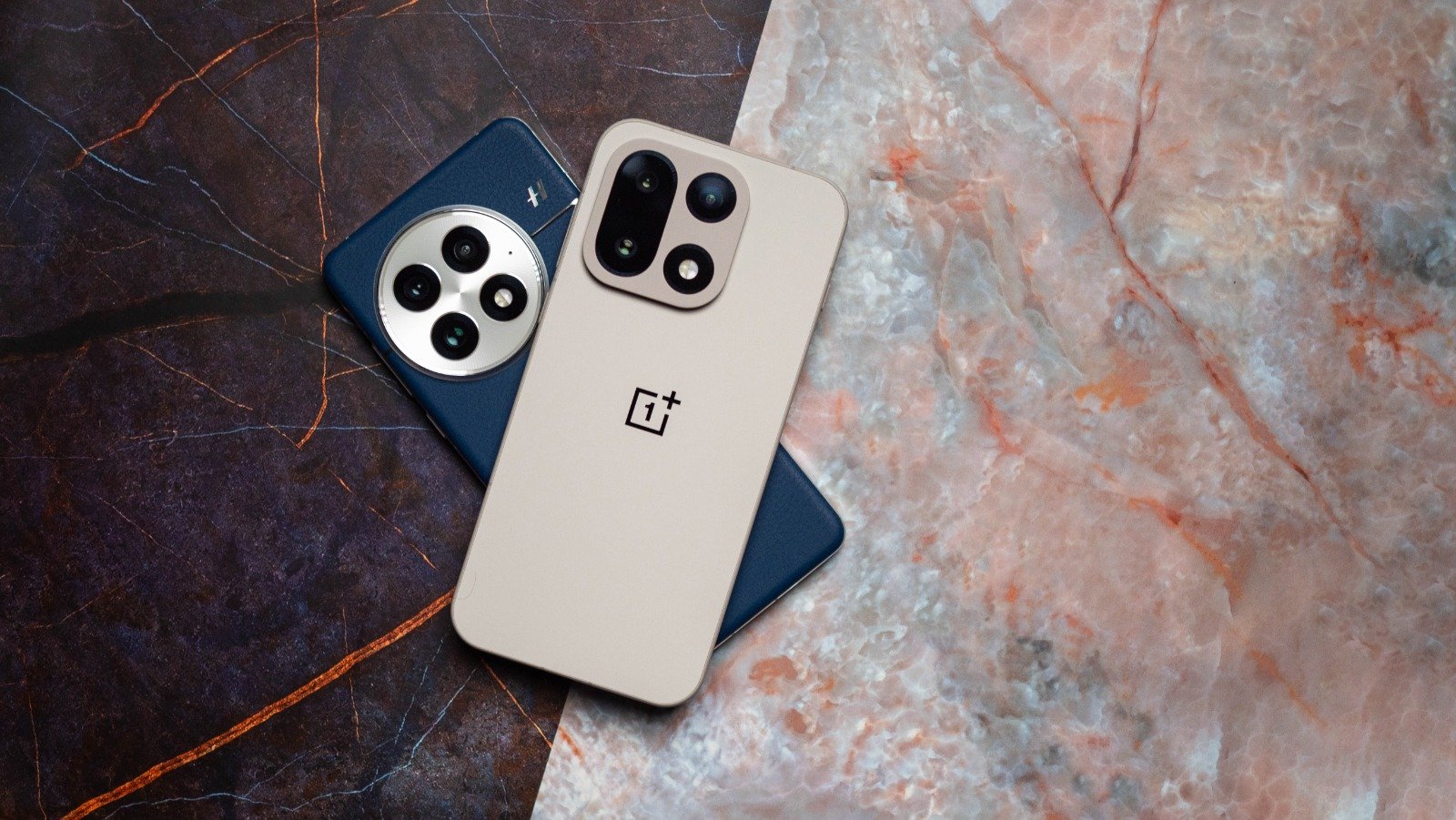
Once celebrated as the ultimate “flagship killer,” OnePlus now finds itself at a crossroads and the OnePlus 13 and the early signals around the OnePlus 15 explain exactly why. What was once a brand synonymous with speed, clean software, and community-first innovation is increasingly struggling to define what it stands for in a hyper-competitive smartphone market.
The OnePlus 13, on paper, is a powerful device. It boasts top-tier hardware, a premium display, and performance that easily keeps pace with rivals from Samsung, Apple, and Xiaomi. Yet, this is precisely where the problem lies: it keeps pace but rarely leads. For a brand built on disruption, simply matching competitors is not enough. The OnePlus 13 feels like a safe, predictable flagship rather than a bold statement, lacking a standout feature that truly differentiates it.
Pricing has become another major pain point. OnePlus phones were once known for offering flagship-level specs at aggressive prices. With the OnePlus 13, that value proposition has weakened. As prices creep closer to ultra-premium devices, consumers are increasingly asking a difficult question: Why not just buy a Samsung Galaxy or an iPhone instead? The answer used to be OxygenOS, speed, and simplicity but even those advantages are fading.
Software, once OnePlus’ crown jewel, is now a source of concern. The gradual merging of OxygenOS with Oppo’s ColorOS has diluted the clean, near-stock Android experience that loyal fans loved. While the software is still fast and feature-rich, it no longer feels distinct. For long-time users, this shift represents a deeper identity loss rather than a simple design change.
Looking ahead, the OnePlus 15 despite not being officially unveiled already reflects these challenges. Leaks and industry chatter suggest incremental upgrades rather than transformative innovation. Better cameras, a faster chip, improved battery life useful, yes, but hardly exciting. In a market where AI features, ecosystem integration, and unique hardware design are becoming key differentiators, incrementalism is a dangerous strategy.
Meanwhile, competitors are moving fast. Samsung is pushing deeper into AI-driven experiences, Apple continues to dominate with ecosystem lock-in, and Chinese brands are experimenting aggressively with battery tech, form factors, and camera systems. Against this backdrop, OnePlus risks becoming “just another premium Android brand,” rather than the rebel it once proudly claimed to be.
That doesn’t mean OnePlus is doomed. The brand still has strong global recognition, a loyal fan base, and proven engineering talent. But the OnePlus 13 and the direction hinted at by the OnePlus 15 make one thing clear: OnePlus must rediscover its purpose. Is it a premium lifestyle brand? A performance-first enthusiast phone maker? Or a mainstream flagship competitor?
If OnePlus continues to blur its identity pricing itself like a luxury phone while innovating like a conservative one the trouble will only deepen. The OnePlus 13 and 15 don’t fail because they are bad phones; they struggle because they no longer clearly answer why OnePlus exists at all.
In today’s smartphone market, that question matters more than specs.