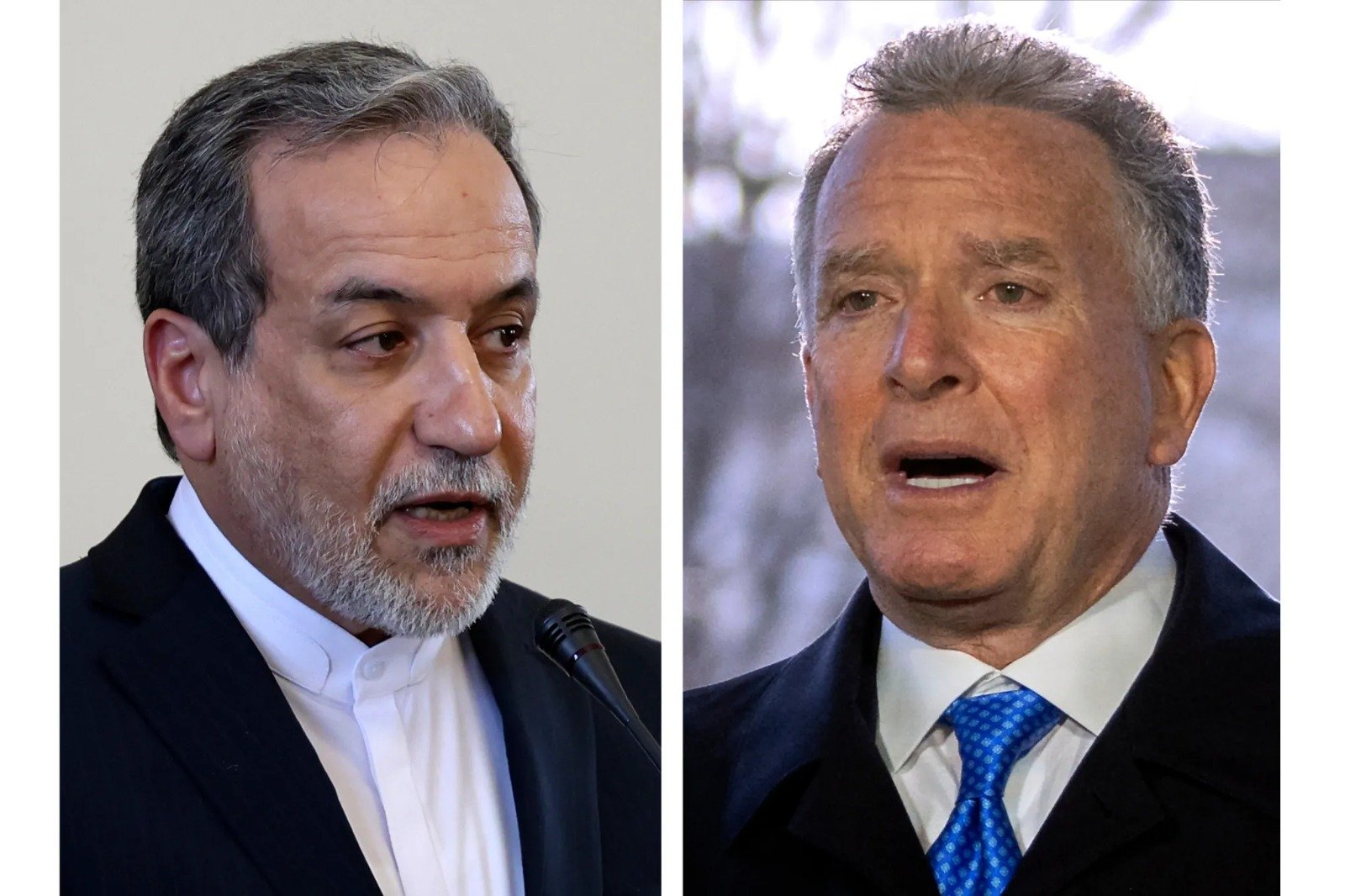
Iran and the United States are set to hold diplomatic talks in Muscat, Oman, this Friday focused on Tehran’s nuclear programme, marking the latest push to re-engage in negotiations after months of heightened tensions and internal upheaval in Iran. The talks come against a backdrop of widespread nationwide protests in Iran and ongoing geopolitical strain, as both sides navigate a precarious balance between diplomacy and confrontation.
Iranian Foreign Minister Abbas Araghchi has arrived in Muscat to lead the Iranian delegation, while the U.S. side is expected to be represented by special envoy Steve Witkoff and other senior officials, in a highly anticipated meeting seen as crucial to reviving stalled negotiations.
The talks had at one point appeared uncertain initial plans for a broader meeting with regional participation in Turkey stalled but both Washington and Tehran ultimately agreed to resume direct discussions in Oman, a nation that has hosted prior rounds of nuclear diplomacy between the two countries.
For Iran, the timing of the negotiations is fraught. Months of economic difficulties, political isolation, and a bloody crackdown on nationwide protests have strained the Islamic Republic’s internal cohesion and weakened its negotiating leverage. Despite this, Tehran insists the discussions should remain narrowly focused on the nuclear programme and not expand to other contentious issues such as its ballistic missile development or regional proxy activity topics the U.S. wants included.
The nuclear programme itself remains a central point of contention. Iran maintains its right to pursue nuclear technology for civilian uses, while the U.S. seeks limits and increased transparency to prevent any pathway to weaponisation. Previous dialogues between the two have been indirect, with intermediaries relaying positions, and analysts caution that resolving deeply rooted mistrust will be difficult.
Beyond the nuclear agenda, the talks carry wider implications for regional stability. In recent months, the U.S. has deployed military assets to the Gulf and issued stern warnings raising fears of potential conflict if diplomacy fails. Both sides have publicly reiterated a preference for a diplomatic solution, yet recent rhetoric from Tehran and Washington alike has underscored how swiftly tensions could escalate.
Oman’s role as host reflects the broader desire among regional and international actors to prevent a renewed crisis. Mediators from countries such as Qatar, Turkey, and Egypt have been involved in setting procedural frameworks for the negotiations, although Iran continues to emphasise that it will not cede ground on what it calls “core national interests.”
For many observers, the discussions in Oman represent both a diplomatic opportunity and a test of resolve. A breakthrough could reinvigorate efforts toward a formal agreement limiting Iran’s nuclear capabilities and easing economic sanctions, while failure may deepen mistrust and augment the risk of military escalation. As the talks unfold, global attention remains fixed on whether the two longtime adversaries can bridge their differences or whether the region will be drawn further into instability.