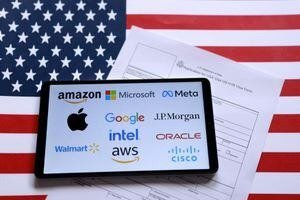
A US federal judge has rejected a legal challenge filed by a coalition of business groups against the Trump administration’s controversial proposal to impose a $100,000 fee on H-1B work visas, dealing a major blow to companies and industry bodies that had warned of serious economic consequences. The ruling clears the way for the administration to proceed with one of its most aggressive measures aimed at reshaping America’s high-skilled immigration system.
What the Court Ruled
In its order, the court held that the business groups failed to establish sufficient legal grounds to block the policy at this stage. The judge noted that immigration and visa fee structures fall largely within the executive branch’s authority, especially when framed as part of a broader strategy to protect domestic employment and national economic interests. The court declined to grant injunctive relief, allowing the government to continue implementing the rule unless overturned by a higher court.
Background of the Dispute
The lawsuit was filed by a consortium of US and international business associations, including tech and staffing groups that rely heavily on the H-1B program. They argued that a $100,000 fee per visa would effectively price out small and mid-sized firms, disrupt innovation pipelines, and violate administrative law principles by being “arbitrary and punitive.”
The Trump administration, however, defended the proposal as a deterrent against overuse of foreign labor, asserting that companies should prioritize hiring American workers. Officials also claimed that higher fees would curb alleged misuse of the H-1B system and help fund domestic workforce training programs.
Why the Fee Matters
The H-1B visa program allows US employers to hire foreign professionals in specialty occupations such as technology, engineering, healthcare, and finance. Traditionally, visa-related costs have ranged from a few thousand to around $10,000 per employee. A jump to $100,000 would represent a dramatic escalation, potentially reshaping hiring strategies across Silicon Valley, Wall Street, and beyond.
Industry leaders warn that such a fee could:
- Push companies to offshore roles instead of hiring in the US
- Hurt startups and scale-ups unable to absorb the cost
- Reduce America’s global competitiveness in technology and research
Impact on Indian Professionals
Indian nationals account for a significant share of H-1B visa holders, particularly in IT and engineering roles. Immigration experts say the ruling could heighten uncertainty for Indian professionals and US firms alike, especially those dependent on specialized skills that are difficult to source locally.
What Happens Next
While the court’s decision is a setback for businesses, legal experts say the fight may not be over. The plaintiffs can still appeal the ruling, and political pressure could intensify as industry groups lobby lawmakers to intervene. Meanwhile, companies are reassessing workforce plans amid growing uncertainty over immigration costs and policies.
Bigger Picture
The ruling underscores a broader shift toward restrictive, high-cost immigration policies that prioritize domestic labor but risk alienating global talent. As the debate continues, the fate of the $100,000 H-1B fee may become a defining issue in the ongoing battle over America’s economic competitiveness and immigration future.