In a strong show of defiance, the Venezuelan Navy has begun escorting commercial and state-linked vessels through its territorial waters, responding directly to renewed threats from former U.S. President Donald Trump over a possible maritime blockade. The move signals Caracas’ intent to protect its trade routes and assert sovereignty at a time when geopolitical tensions in the Caribbean and Latin America are once again heating up.
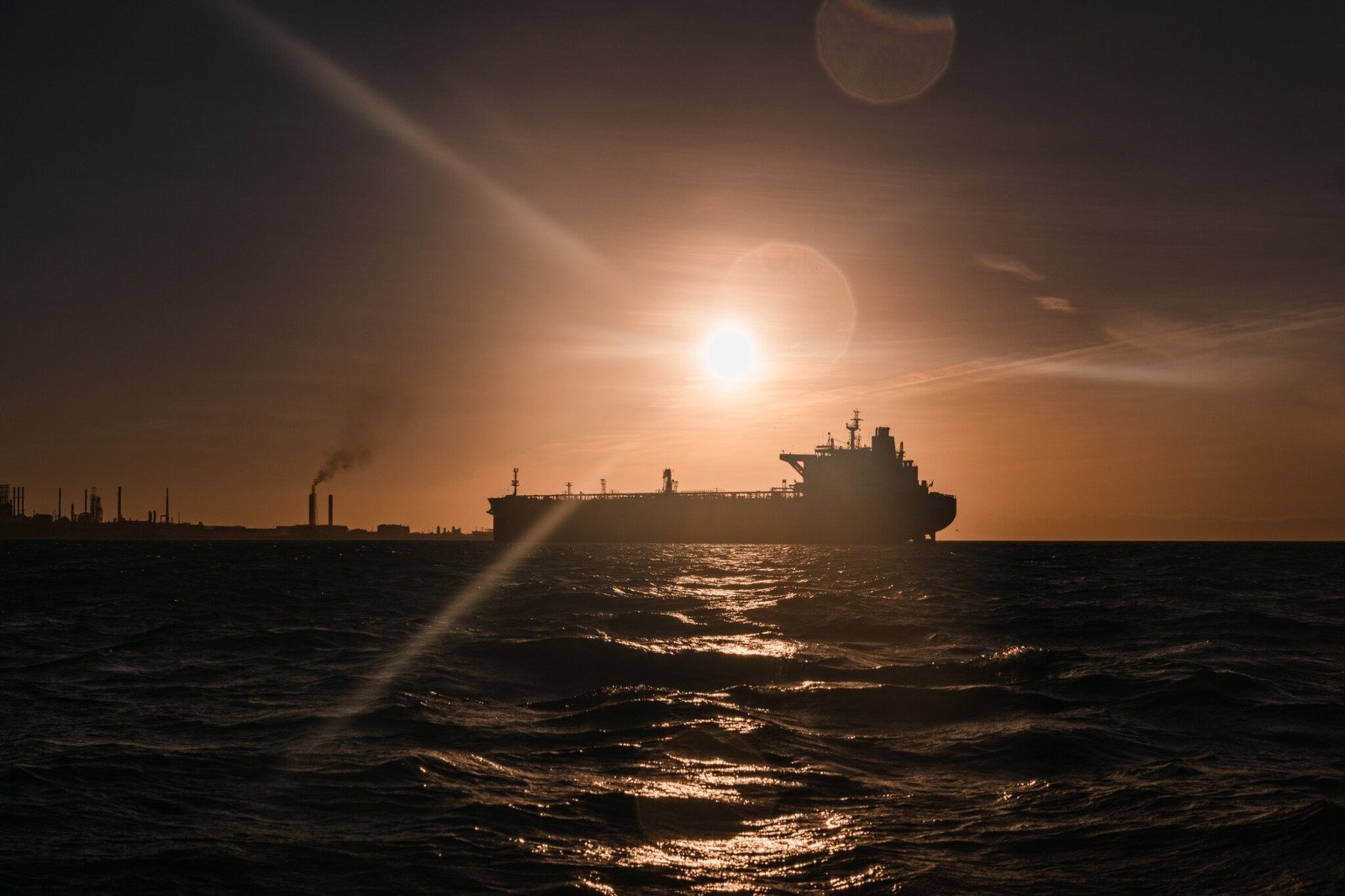
According to official statements from Venezuela’s defence establishment, naval patrol boats and frigates have been deployed to accompany oil tankers and supply ships operating near the country’s coastline. The government says the escorts are a precautionary measure, aimed at ensuring the “safe and uninterrupted movement of lawful maritime traffic” amid what it describes as hostile rhetoric from Washington.
Trump, who has intensified his criticism of Venezuela’s leadership during his ongoing campaign trail, recently warned that tougher measures could be imposed to curb what he calls the Maduro government’s “illicit oil trade” and alleged ties with adversarial nations. Though no formal blockade has been announced, the language has been enough to trigger alarm in Caracas, where memories of past sanctions and economic isolation remain fresh.
Venezuela’s Vice President for Security and Sovereignty framed the naval action as defensive rather than provocative. “We are not seeking confrontation,” he said in a televised address. “But we will not allow threats or intimidation to disrupt our economy or violate our territorial integrity.” He added that international maritime law allows nations to protect shipping within their exclusive economic zones, especially when external pressure risks destabilisation.
The escorted vessels reportedly include tankers carrying crude oil and refined fuel, a critical lifeline for Venezuela’s economy. Despite years of U.S.-led sanctions, the country has slowly increased oil exports by leveraging partnerships with countries such as China, Iran, and Russia. Any disruption at sea could have serious consequences, not only for government revenues but also for domestic fuel availability and social stability.
Regional analysts say the naval escorts are as much a political message as a military precaution. “This is symbolic power projection,” said a Latin America security expert. “Venezuela wants to show that it is not isolated, that it has functional armed forces, and that it will respond visibly to external pressure.” However, he also cautioned that such moves carry risks if misinterpreted by foreign navies operating in nearby waters.
The United States has not officially responded to reports of Venezuelan naval escorts, but past policy suggests Washington is unlikely to engage militarily unless American assets are directly threatened. Still, U.S. officials have repeatedly stated that “all options remain on the table” when it comes to enforcing sanctions and protecting what they describe as regional security interests.
International reactions have been mixed. Some Caribbean nations have urged restraint, warning that increased naval activity could endanger commercial shipping lanes in an already busy maritime corridor. Others have called for dialogue, stressing that escalation would hurt ordinary citizens far more than political leaders.
Within Venezuela, state media has portrayed the navy’s actions as a moment of national pride. Images of uniformed sailors escorting tankers have been broadcast alongside patriotic music and slogans about resistance and independence. Critics, however, argue that such displays do little to address the country’s underlying economic struggles and risk inviting further sanctions.
As rhetoric sharpens on both sides, the situation remains fluid. While a full-scale blockade appears unlikely in the immediate term, the naval escorts underscore how quickly political statements can translate into military posturing. For now, Venezuela’s message is clear: it intends to defend its maritime lifelines, even as global powers watch closely for the next move in an increasingly tense standoff.